Deltas
Leadership Highlight: Salisbury University’s Student Government President Jahnaiya Sutherland

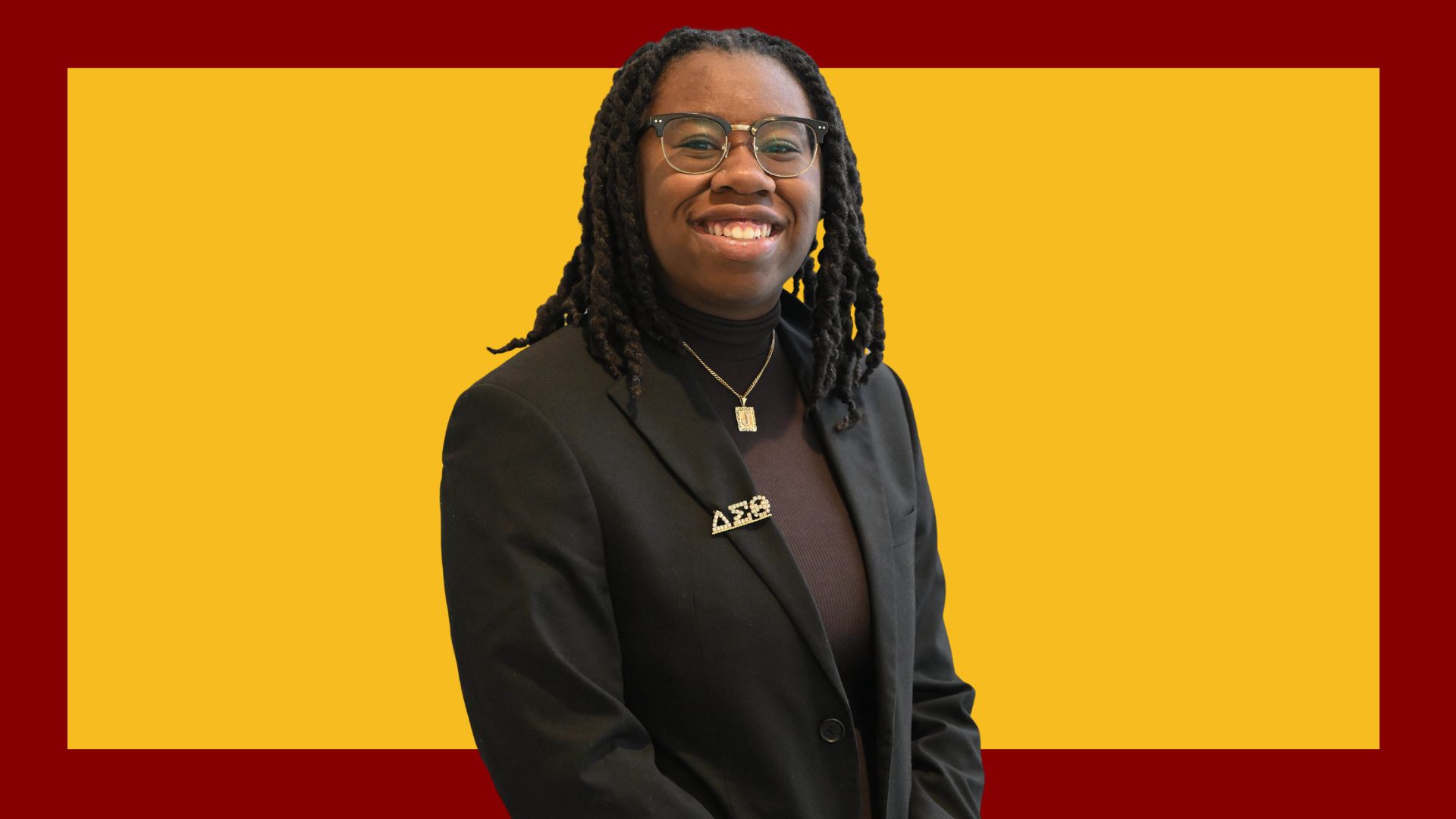
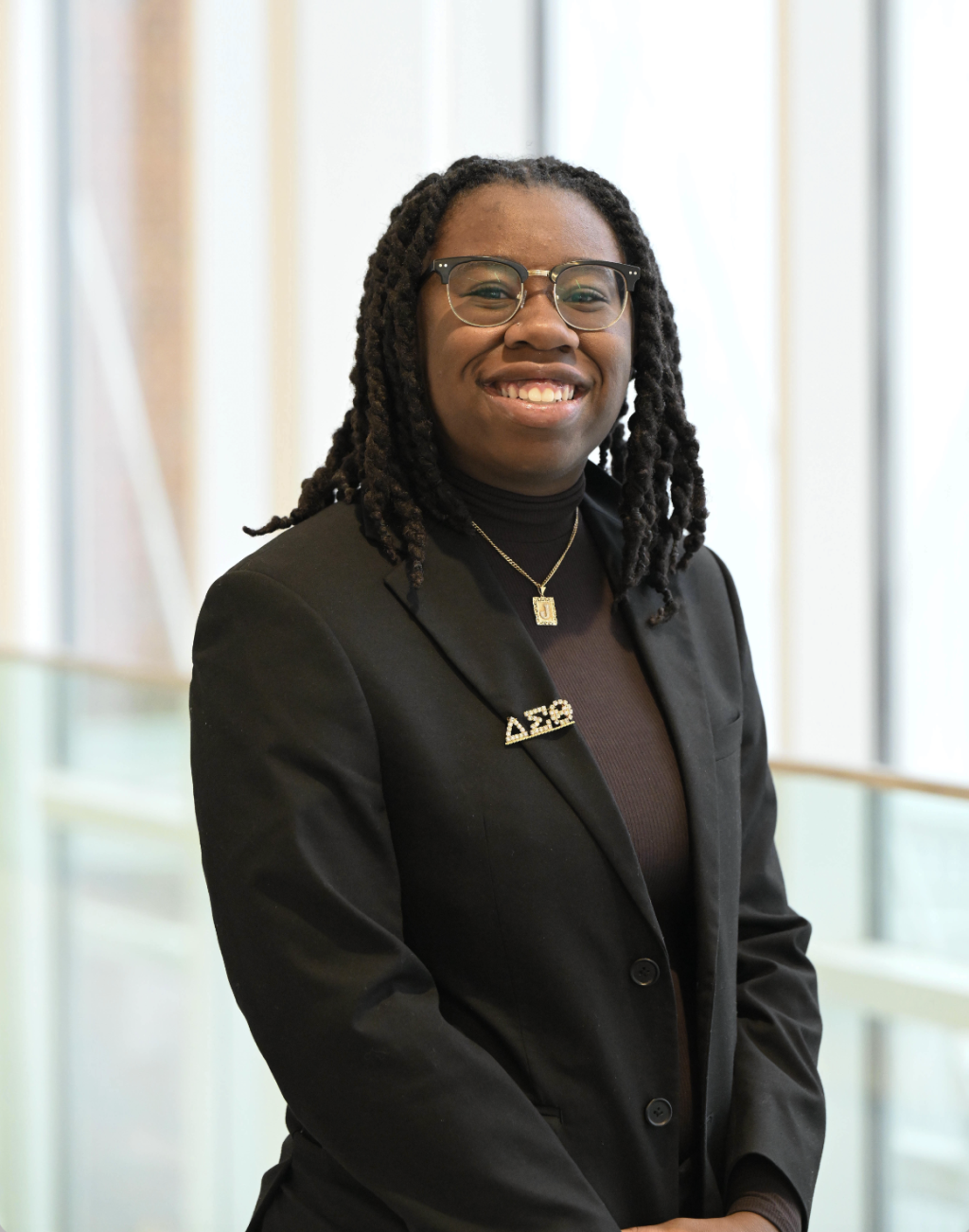
In an effort to highlight the people who are leading colleges and universities across the nation, we at Watch The Yard reached out to Salisbury University and did an interview with Jahnaiya Sutherland , the 2025–2026 Student Government Association president.
The position of student government president is a highly respected role and there is a special pride that one takes in being elected by their peers to lead. Jahnaiya Sutherland , who is majoring in Major: Data Science (Mathematical Track), Minors: Business Administration & Statistics , is from Bowie, MD.
She is a proud Fall 2023 initiate of Delta Sigma Theta.
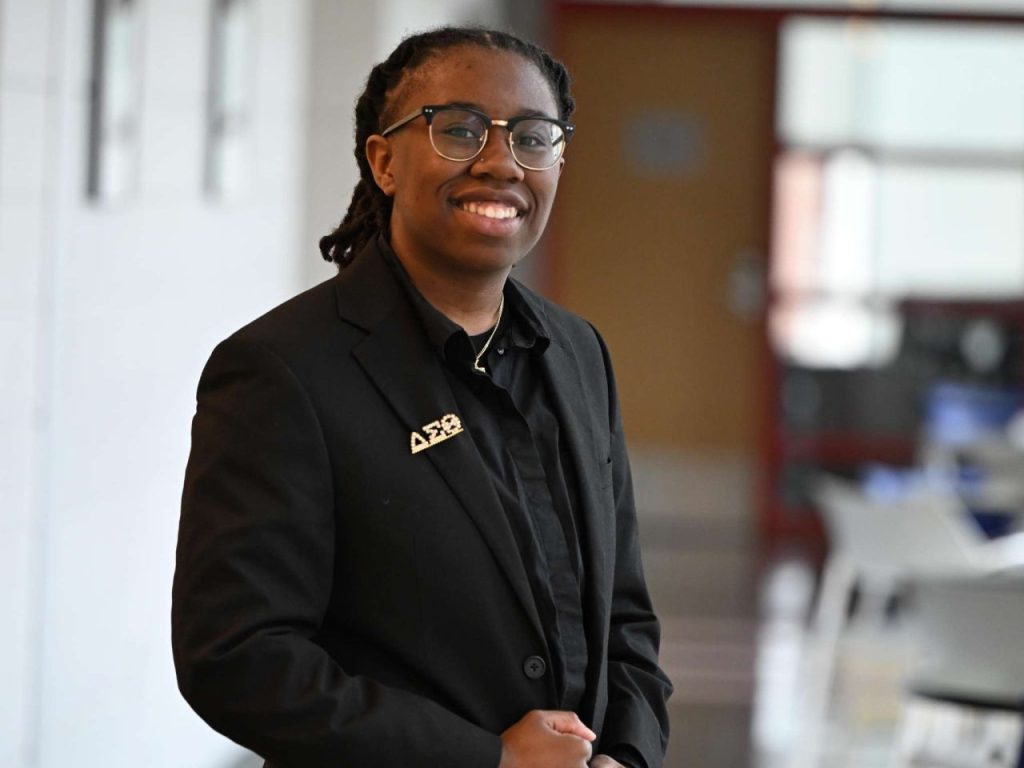
We interviewed Jahnaiya Sutherland and talked to her about her position, goals, future and what it means to hold this type of leadership position in 2025–2026.
Read the full interview below.
What is the biggest thing you’ve learned as a student government president so far?
The biggest thing I have learned as SGA president is that leadership is far less about visibility and far more about responsibility, and consistency. I have learned that transparency matters more than perfection, students do not expect leaders to have every answer, but they do expect honesty. I also learned over time that I cannot carry everything alone, building systems and empowering others is essential to sustaining real impact. Serving as the bridge between students and administration requires patience, emotional intelligence, and preparation, especially when navigating difficult or sensitive issues. In these times, I have found that listening is often more impactful than speaking. Finally I found that accountability is a form of care, holding people to expectations ultimately strengthens organizations and builds trust.
What made you decide to attend Salisbury University for undergrad?
I chose to attend Salisbury University because of the balance it offered between a tight-knit campus community. I was drawn to the strength and support of the academic programs, alongside a historic program through our university’s Inclusion Office called Powerful Connections. Salisbury also stood out because students are trusted with real responsibility early on, which allowed me to step into leadership roles sooner than I might have elsewhere. The campus culture emphasizes collaboration rather than competition, and I have never felt like just a number. Coming from Prince George’s County, Maryland, attending school on the Eastern Shore, which is culturally and politically different and the only red district in the state, also pushed me outside of my comfort zone and expanded my perspective in important ways.
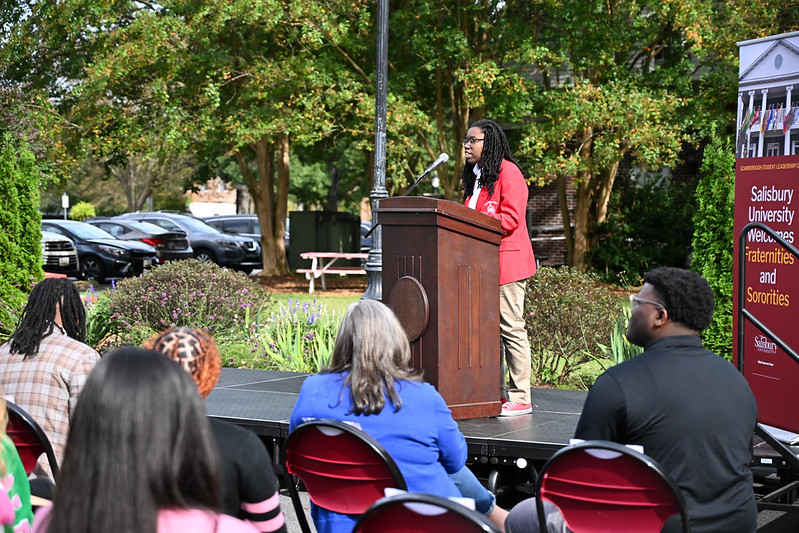
How has Salisbury University molded you into the person you are today?
Salisbury University has given me the space to develop my voice and leadership identity. It challenged me to navigate complex systems, governance structures, and decision-making processes that mirror real-world leadership environments. I have grown significantly through adversity, whether academic pressure, leadership stress, or moments of uncertainty. Being at the university reinforced the importance of service, advocacy, and community engagement, teaching me that leadership extends well beyond titles and positions. Salisbury also taught me how to lead with empathy while learning to set firm boundaries.
What specific initiatives have you headed up this year (or are planning) and how do you think they will improve the school and surrounding community?
This year, I have overseen and helped expand two campus-wide days of service that engaged hundreds of students in giving back to the surrounding community. I have prioritized increasing transparency through various communication pathways so students better understand how decisions are made and how to get involved. I also worked to strengthen collaboration between SGA, student organizations, student-athletes, and Fraternity and Sorority Life, areas that were very disconnected prior to my term. As part of that work, I have helped advance the planning and execution of the university’s first NPHC garden plots on campus, an effort that coincided with several organizations marking 50 years and reflects work SGA has advocated for over many years. Internally, I have focused heavily on leadership development within SGA to ensure we are building a stronger, more prepared student government that will outlast my administration.
How is your student government administration/school currently working on attending to the mental health of students?
Our SGA administration is working to attend to student mental health by creating intentional spaces for students to voice concerns through Forums and direct engagement. We collaborate with campus partners to promote existing mental health resources and ensure students know what support is available to them. Within student leadership, we encourage balance, rest, and realistic expectations to prevent burnout. We also advocate for students by elevating concerns to administration when systems fall short, so students do not feel hopeless or unheard when raising issues that directly affect their well-being.
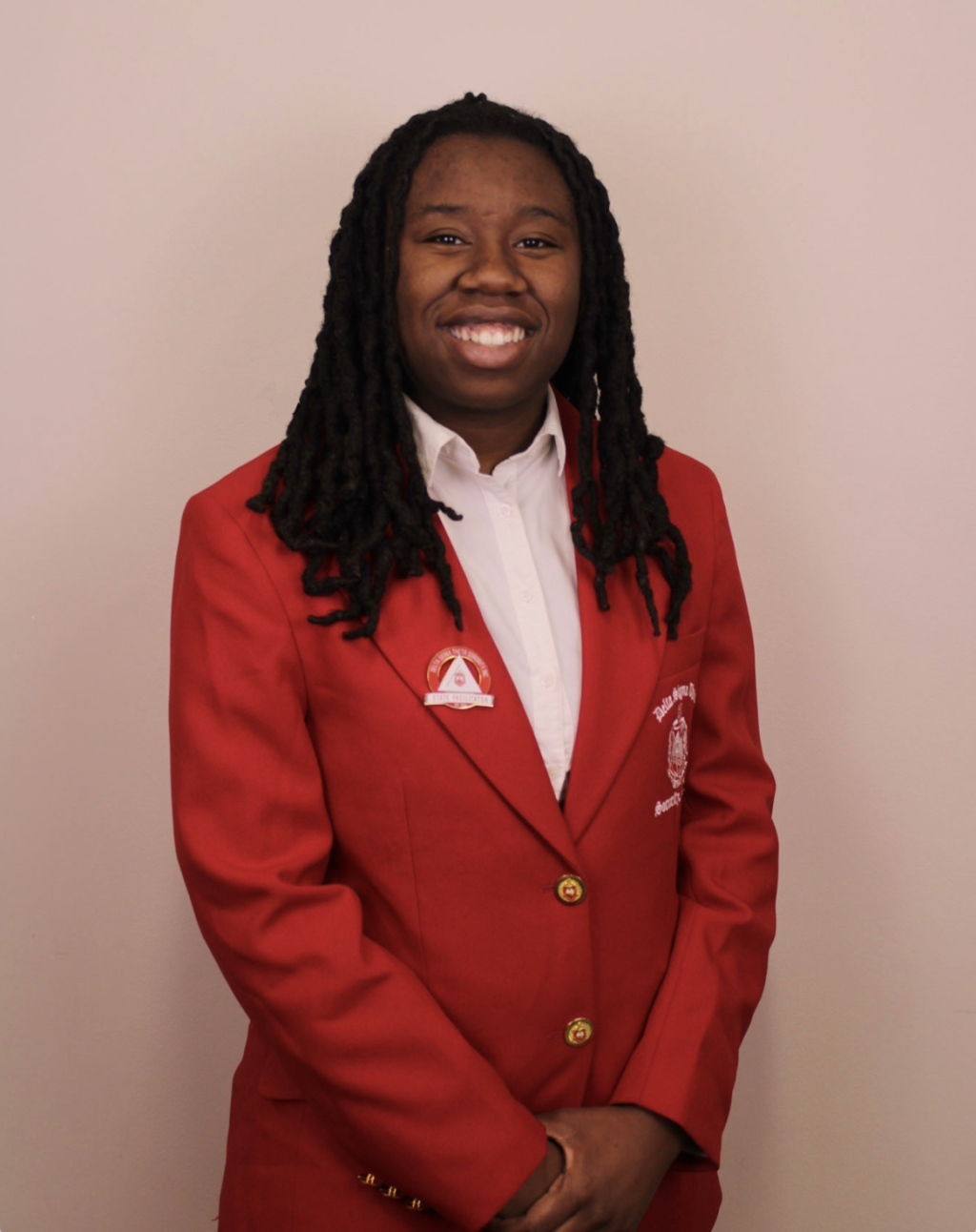
What does leadership mean to you?
To me, leadership is service, not status. It means being willing to make hard decisions even when they are unpopular and showing up consistently, especially when situations are uncomfortable. Leadership is about creating systems that outlast you and leaving things better than you found them. It requires leading with integrity, empathy, and accountability, while understanding that leadership is ultimately about influence, responsibility, and being a steward unto others.
We now live in a digital world, what do you think schools need to do to represent themselves online in 2025–2026?
In 2025–2026, I believe schools need to prioritize authentic, student-centered storytelling over overly polished marketing. Institutions should meet students where they already are, especially on social media, and communicate in ways that feel genuine and accessible. Information should be clear, easy to navigate, and transparent. Schools should highlight real student voices and experiences, not just institutional messaging, and treat digital marketing as a true extension of campus culture rather than just a recruitment tool.
Why do you think Watch The Yard is important to Black students and college culture?
I believe Watch The Yard is important to Black students and college culture because representation truly matters, especially for students pursuing higher education. Seeing people who look like you doing meaningful, impactful work affirms that your goals are possible and that your presence belongs in these spaces. Whether it is hearing about fellow collegiates’ aspirations, seeing members of the Divine Nine being celebrated, or learning about milestones like the announcement of CEOs and Directors within organizations or states, those moments matter. Watch The Yard helps bridge gaps that Black students are still navigating by highlighting excellence, leadership, and culture in real time. It reminds us that someone, somewhere, is always doing something worth celebrating and being proud of. Just as importantly, it serves as a counterbalance to the negative narratives and press that too often shape how Black students and college culture are perceived by centering joy, achievement, and community.
What do you plan on doing after graduation?
After graduation, I plan to pursue a data-driven role that allows me to apply my analytical skills in a way that creates meaningful impact. I am particularly interested in opportunities within policy, nonprofit, or community-focused spaces where data can be used to inform decision-making, improve systems, and advance equity. Longer term, I intend to pursue graduate education, most likely an MBA or a related program that allows me to deepen my understanding of strategy, leadership, and systems-level change. Ultimately, my goal is to build a career at the intersection of data, leadership, and public service, where I can help organizations make smarter, more just decisions that positively impact communities.
We at Watch The Yard would like to commend Jahnaiya Sutherland for her work as the student government president of Salisbury University .
Photo Credits: @xancallstheshots @salisburyuniversity


 AKAs1 week ago
Alpha Kappa Alpha Just Chartered Its Fourth Chapter in The Bahamas

 AKAs5 days ago
This AKA’s Mother Joined the Same Chapter and Became Her Legacy Exactly Ten Years After Her Own Initiation

 Alphas4 days ago
Alpha Phi Alpha Hosts ‘Get Home Safe’ Program in New Jersey to Help Students Navigate Police Traffic Stops