Leadership Highlight
Leadership Highlight: The Wharton School – University of Pennsylvania’s Undergraduate Assembly President Nia Matthews


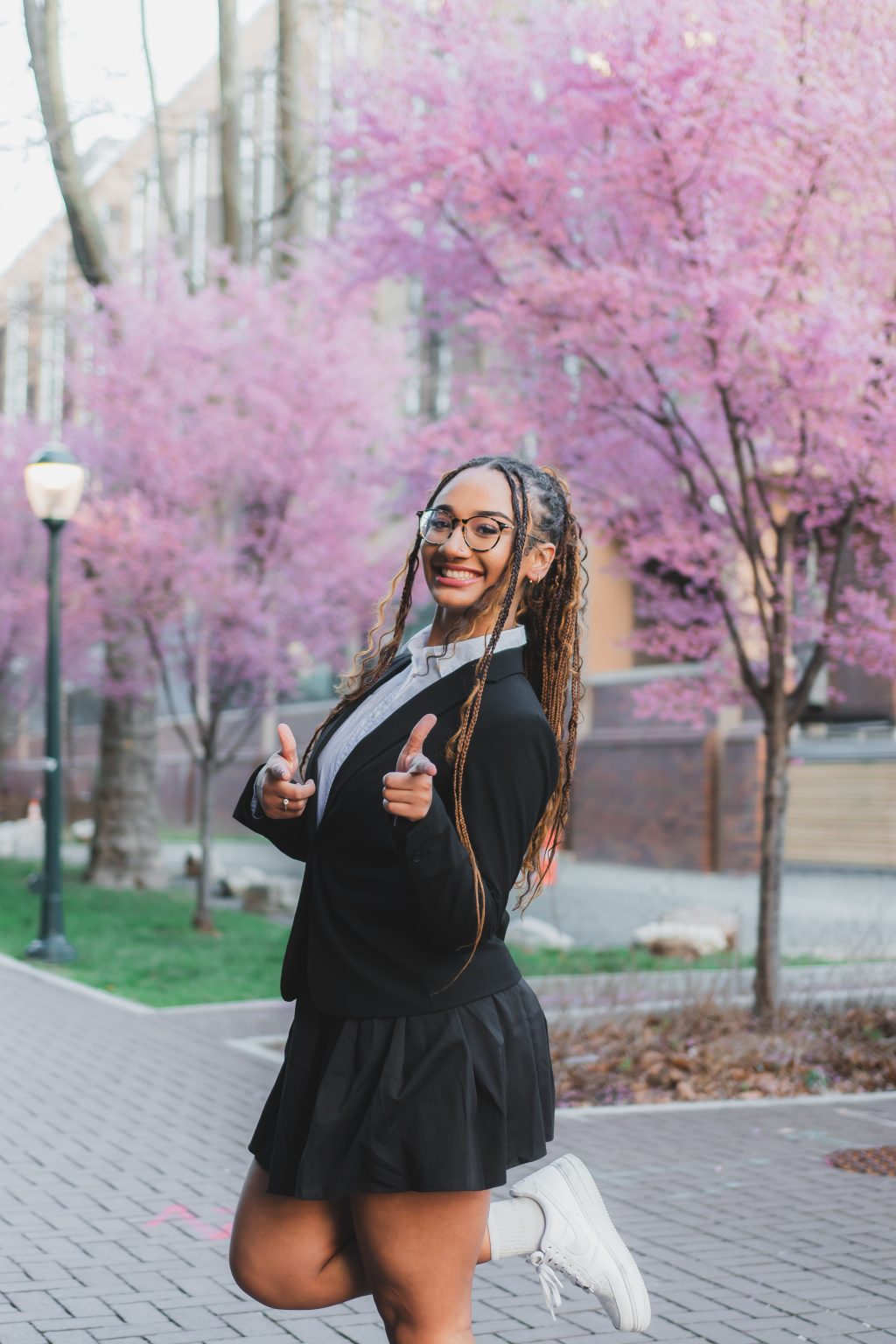
In an effort to highlight the people who are leading colleges and universities across the nation, we at Watch The Yard reached out to The Wharton School – University of Pennsylvania and did an interview with Nia Matthews, the 2025–2026 Undergraduate Assembly president.
The position of student government president is a highly respected role and there is a special pride that one takes in being elected by their peers to lead. Nia Matthews, who is majoring in Management: Organizational Effectiveness & Environmental, Social, and Governance (ESG), on the pre-law track, is from Mardela Springs, MD.
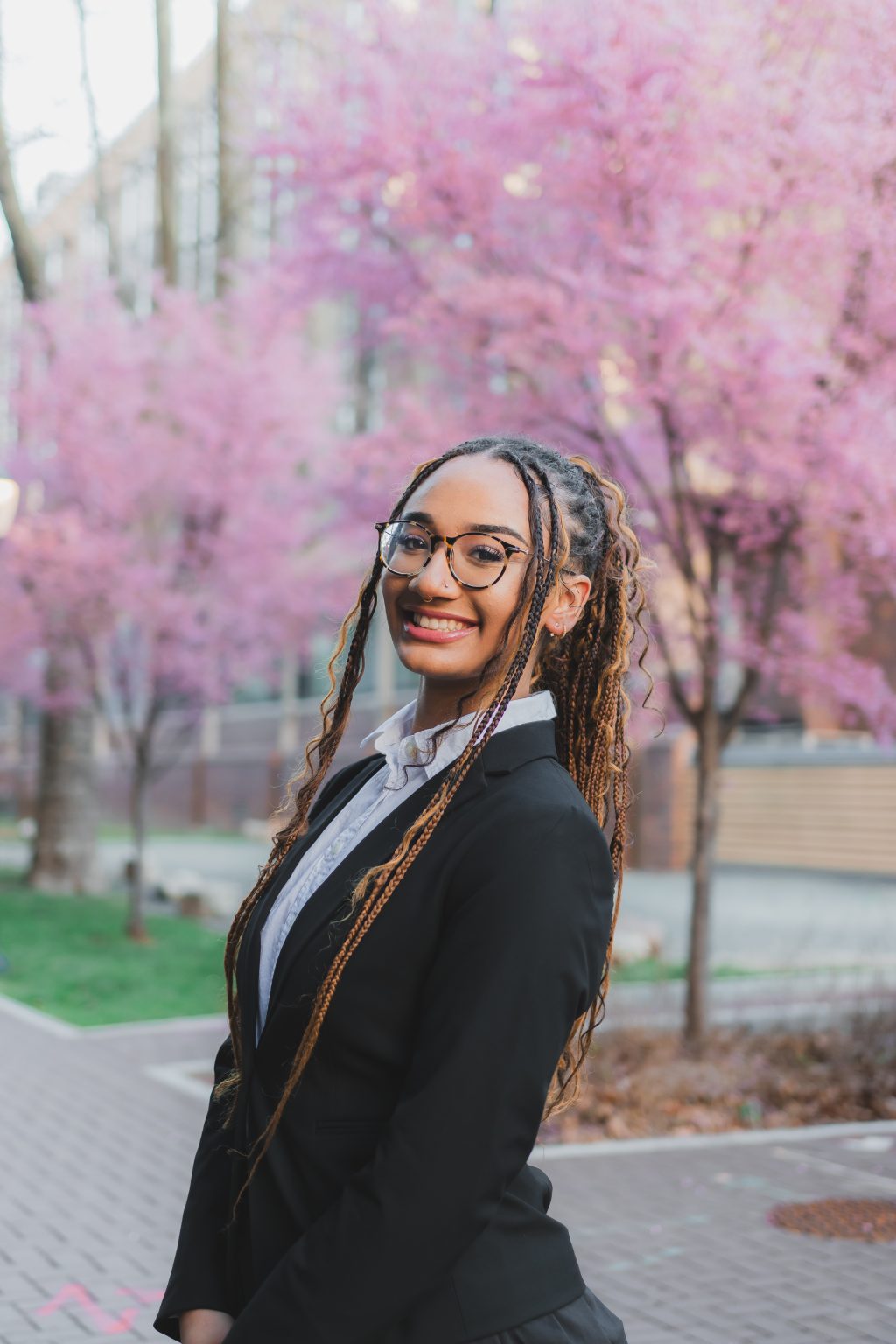
We interviewed Nia Matthews and talked to her about her position, goals, future and what it means to hold this type of leadership position in 2025–2026.
Read the full interview below.
What is the biggest thing you’ve learned as a student government president so far?
It’s hard to narrow it down to only one thing that I’ve learned while serving as an SGA president, but my biggest learning has really been three-fold.
First, and probably most importantly, I’ve learned how to get comfortable being uncomfortable– in conversations, in events, in meetings, etc. Leading the Undergraduate Assembly means constantly stepping into different spaces and different roles. Our representative branch includes a five-person executive team, a ten-person cabinet, and over sixty active general body members, in addition to frequent meetings with senior administrators across the University. Every room I walk into requires a different kind of leadership.
I have had to grow comfortable giving and receiving feedback, pushing myself to show up at events even after long days of classes and meetings, and I have especially had to get comfortable having difficult, often uncomfortable conversations with administrators. Sitting at the intersection of the student body representing nearly 10,000 undergraduates while engaging with University leadership requires me to be both bold and intentional. Advocating for students isn’t always comfortable, especially when student needs don’t always align with institutional priorities, but learning to hold that tension thoughtfully has been one of the most important skills I’ve developed.
Second, I have really had to learn how to give myself grace. Sometimes it’s easy to forget that I am a student first, and this is something I often have to remind both myself and my team. Sometimes it feels like the role never stops, and in reality, it doesn’t. There is always a meeting to be had, an issue to address, or an email to send. This has taught me that in order to be an effective leader, I have to know when to take a step back. Balancing the responsibility of representation and leadership with academics, personal wellbeing, and internal team dynamics has taught me that sustainability matters just as much as dedication and accountability.
Finally, I’ve learned that meaningful work isn’t always visible. A lot of what student government does happens behind the scenes, such as the long conversations, negotiations, follow-ups, and relationship-building, which doesn’t always translate into a tangible announcement or immediate outcome. Often, the impact shows up slowly or indirectly, and sometimes it looks like preventing a problem rather than creating something new. That can be difficult, especially in a role where students understandably want to see quick results or clear wins. But this experience has taught me that leadership is about consistency, persistence, and doing the work even when no one is watching. It can be really easy to get caught up in wanting to do things for external validation or constant visibility, but learning how to measure success by impact rather than recognition has reshaped how I think about responsibility, accountability, and what it truly means to serve a community.
What made you decide to attend The Wharton School – University of Pennsylvania?
To be completely honest, I didn’t come into the college application process with a long-standing plan to attend a business school like many of my peers. As a first-generation college student from a small town where most students stayed local, I navigated the process largely on my own and applied to most of my schools intending to study criminology. When I reached the Penn application, though, something didn’t quite feel “right”, so I paused and did more research. I came across a testimonial from a Wharton student who had gone on to law school, which immediately resonated with me, with that being a path I hope to pursue. For the first time, I began to see an education in business as a powerful foundation, and I remember thinking, “Business school could be fun.”
At the time, I didn’t fully grasp what attending Wharton would mean. The name itself carries a lot of weight, and as a first-gen I didn’t yet understand the full scope of what it represented. However, I can confidently say that choosing Penn was one of the best decisions I’ve ever made. The academic rigor, interdisciplinary flexibility, and access to people and opportunities have pushed me far beyond what I imagined to be possible. Every day, I am challenged to think differently, I’ve been exposed to industries I never knew existed, and surrounded by peers who inspire me daily. What ultimately drew me here, and what has kept me grounded in my decision, is that this environment goes beyond preparing you for a career. It truly teaches you how to think, lead, and adapt in ways that will stay with me long after graduation.
How has The Wharton School – University of Pennsylvania molded you into the person you are today?
I could answer this question simply by saying that if the version of me who arrived at Penn 3 years ago could see who I am today, I don’t think she would recognize herself. Being in an environment that constantly pushes you, academically, professionally, and personally, has forced me to grow comfortable with uncertainty and adversity. Both of these are phenomena I have faced all of my life, but being here has taught me how to lead and move forward with intention, humility, and has helped me develop a new level of resilience.
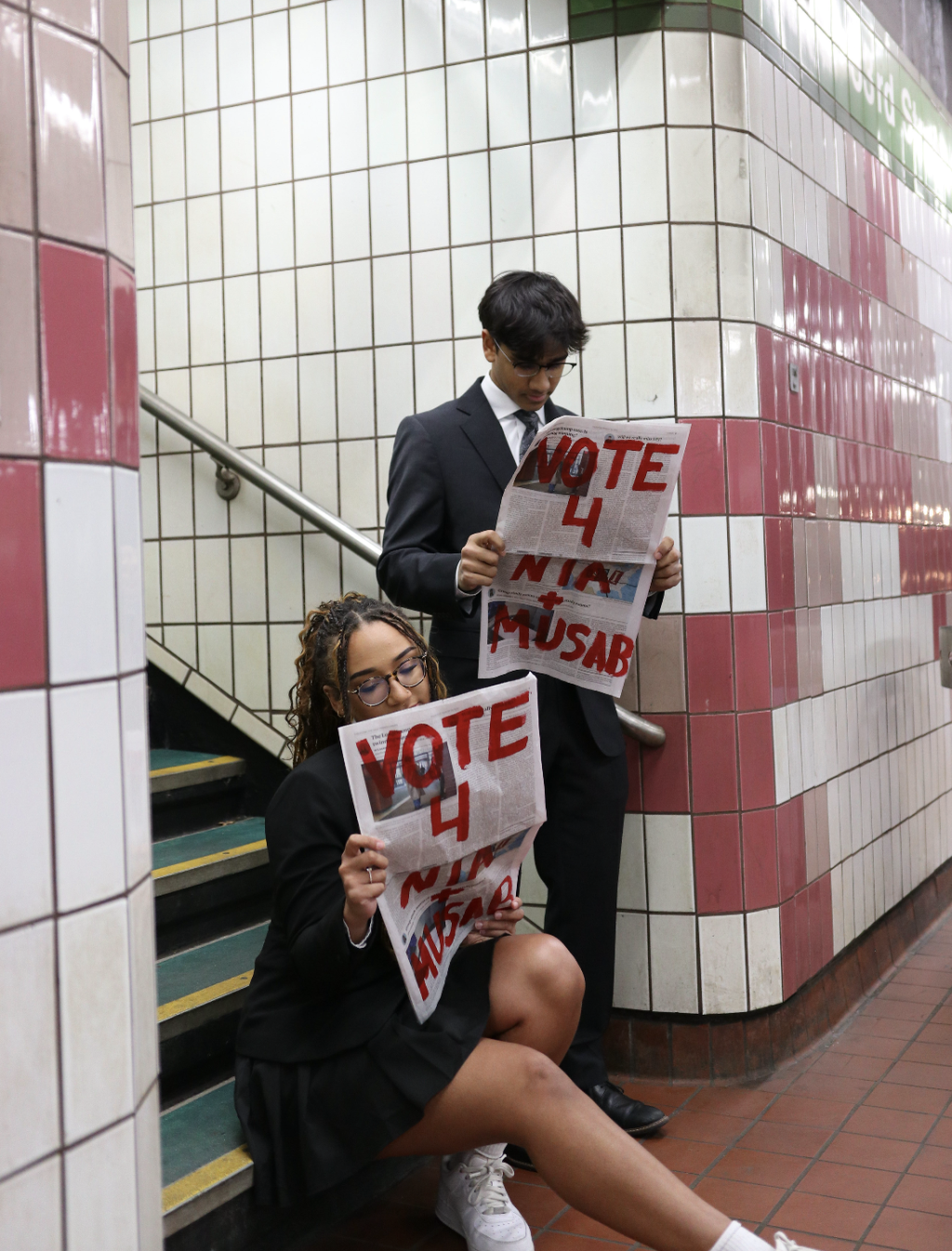
Here, I have learned how to step into rooms where I may not have all the answers, but listen carefully, speak with confidence, and advocate thoughtfully for what matters. Leadership itself isn’t new to me, as I held leadership roles throughout high school including serving as class president, SGA president, and NHS president. Being a leader here at Penn during such a turbulent time, both on campus and nationally, has fundamentally changed my sense of responsibility. Even the decision to run for Student Body President was not something I ever expected for myself. What made it possible, and what continues to motivate me, is being surrounded by people who constantly inspire and push me to be better— with my running mate, Musab Chummun, being a prime example. I’m no longer planning proms or homecomings; I am advocating for real, structural changes to improve student life and ensure that higher education remains accessible. The stakes are real, and so is the impact of the work. I don’t know where I would be without Penn, but I do know that it has transformed how I define success. Success no longer serves as a distant, long term goal, but something I work towards intentionally, through small, meaningful actions every single day.
What specific initiatives have you headed up this year (or are planning) and how do you think they will improve the school and surrounding community?
My broader goal in this role has been to balance tackling long-standing structural issues with delivering tangible improvements to students’ everyday experiences. One of our top priorities has been protecting and reinvesting in student funding. Student organizations are the backbone of life on campus, yet so many are chronically underfunded. We’ve worked consistently to pass several budget amendments to our $3.1 million student funding budget with the intention of fighting for responsible allocation of student funds.
I have also led several efforts to defend equity, belonging, and inclusion, especially at a time where DEI initiatives are under increasing national attack. This has meant engaging in difficult but necessary conversations with administrators about protecting DEI-focused student organizations and reaffirming Penn’s institutional commitments. At several moments throughout this year, we have had to respond to what many students view as federal overreach into university values, and I have worked to ensure that student concerns are clearly represented in those conversations.
Another major focus of mine has been to determine ways to make students’ everyday academic lives more sustainable. While Penn’s culture of academic rigor is often celebrated, it can also place an extraordinary and sometimes unsustainable amount of pressure on students, and often disproportionately impacts first-years, first-generation and/or limited-income students, and international students. These pressures contribute to burnout, heightened stress, and worsening mental-health outcomes concerns, and have been something I have worked with fellow student leaders to mitigate. Several members of our body have been working to advocate for safer and expanded access to study spaces, and I have been actively engaging in conversations and surveying around final exam policies.
Beyond campus, I’ve spent significant time thinking about Penn’s role within West Philadelphia. Recognizing the profound impact the University has on the surrounding community, I’ve begun exploring ways to expand mentorship opportunities, build sustained relationships, and create safe, supportive engagements for local Philadelphia students. Penn benefits enormously from the community’s land, labor, and culture, and I believe it is essential that we approach this as an opportunity to give back.
How is your student government administration/school currently working on attending to the mental health of students?
A central focus of our administration has been addressing student mental health through structural academic reform. While Penn has expanded wellness resources over time, students consistently tell us that these efforts often exist in tension with the realities of Penn’s academic culture particularly during exam seasons. Our work is actively aiming to close that gap.
One of the most significant efforts that I have been leading is advancing a Wellbeing Day proposal, which seeks to institutionalize protected time during the academic semester for students to pause academic responsibilities, recharge, and access mental health resources without fear of falling behind. Current wellness efforts, while well intentioned, often ask students to “practice self-care” while deadlines, exams, and expectations remain unchanged. Wellbeing Days would directly address that disconnect by providing a bit of academic relief, and not just wellness programming. Our administration has been actively engaging faculty, administrators, and student stakeholders to explore how such a policy can be implemented.
It would be incomplete not to acknowledge how our work around protecting student mental health has taken on added urgency in light of growing national pressures on higher education. For example, when the Compact for Academic Excellence in Higher Education was released, many students expressed genuine fear and uncertainty about how broader political and federal dynamics might affect academic freedom, institutional priorities, and student protections. In response, we engaged in joint efforts with peer institutions to collectively raise concerns and advocate for the protection of student rights.
What does leadership mean to you?
Leadership, to me, is what happens when people trust you to carry their concerns into rooms they may never enter themselves. Early on in my experience with student government, leadership was listening to frustrations in hallways and late-night posts on student platforms, and taking them seriously. Someone very close to me once told me that it takes a genius to learn from a mistake well enough not to make it again. In that same vein, it takes a leader not just to hear concerns, but to act on them.
Leadership is also about being willing to speak up, even when you don’t have all of the answers, asking hard questions, and sitting in discomfort when necessary. Most importantly, it’s about consistency. Change doesn’t happen instantaneously. You have to show up when the work is unglamorous and tiring, when progress is slow, and when the impact of the work isn’t immediately visible.

We now live in a digital world, what do you think schools need to do to represent themselves online in 2025–2026?
A “digital world” today means far more than it did even a few years ago. As generative AI is becoming less and less avoidable, schools must approach it as a tool that requires ethical use and transparency. Institutions need to be explicit about how generative AI is being used on their own platforms, whether that’s in advising tools, chatbots, admissions communication, or academic support services. Students deserve to know when they are interacting with AI, how their data is being used, and what human oversight exists. Trust is foundational to a school’s digital presence.
Schools also need to prioritize accessibility and inclusivity in their digital presence. Digital platforms should work seamlessly for students with disabilities, be intuitive for first-generation and international students, and avoid assuming prior institutional knowledge. Information about resources, policies, and support systems should be easy to find and written in clear, student-centered language.
In 2025–2026 specifically, authenticity matters more than ever. It’s important that a student can look at a school’s digital presence and know immediately where the school’s values stand. Schools should use digital spaces to communicate openly and honestly about challenges, decisions, and values, and to show how they work to support and protect their students.
Why do you think Watch The Yard is important to Black students and college culture?
Watch The Yard is important because it creates space for Black joy and gives Black students narrative control in environments that have historically denied them visibility and dignity. Too often, Black student life is only acknowledged through moments of crisis or conflict. Watch The Yard disrupts that pattern by centering Black excellence, celebration, and self-expression as the norm rather than an exception.
For many Black students. Watch the Yard serves as both affirmation and refuge. It reinforces that Black culture is foundational to campus life. Seeing Black students celebrated for their leadership, creativity, style, and traditions truly validates experiences within sometimes misunderstood institutional narratives.
On a broader level, Watch The Yard reshapes how college culture itself is understood to be. By highlighting the legacy of Divine Nine organizations, cultural expression, and Black student leadership, it preserves a living history that institutions have often failed to record or honor. Ultimately, Watch The Yard is pushing boundaries by refusing erasure. Its huge platform affirms that Black students are celebrated and maintain authorship over their own narratives, and that they are recognized for their greatness.
What do you plan on doing after graduation?
I plan to go straight to law school, and while I’m still refining exactly what I want to specialize in, I’m particularly drawn to internet law and entertainment or media law, all of which are fields that sit at the intersection of technology, culture, and power. A large part of that interest comes from being deeply aware of who is, and who is not, represented in these spaces. Black lawyers make up less than 1% of the legal profession, and Black women represent an even smaller portion. That reality matters so much to me, because representation shapes whose voices are heard,whose experiences get validated, and who has influence over the systems that increasingly define our lives.
As a first-generation college student, I’ve always been conscious of navigating institutions without a roadmap. That awareness has made me intentional about entering spaces where Black people, especially Black women, have historically been excluded. It’s one of the reasons I chose to attend business school: I wanted to understand how corporate and institutional systems operate so I could move through them with confidence and purpose, rather than at the margins. Law feels like a natural extension of that commitment. I want to use legal training not only to advocate within powerful industries like tech and media, but also to help expand who belongs in those rooms in the first place.
We at Watch The Yard would like to commend Nia Matthews for her work as the student government president of The Wharton School – University of Pennsylvania .
Photo Credits: @ericawiguna