Leadership Highlight
Leadership Highlight: Howard University’s 65th Student Association President Naesoj Ware


In an effort to highlight the people who are leading colleges and universities across the nation, we at Watch The Yard reached out to Howard University and did an interview with Naesoj Ware, the 2025–2026 Student Association president.
The position of student government president is a highly respected role and there is a special pride that one takes in being elected by their peers to lead. Naesoj Ware, who is majoring in Philosophy & Political Science, is from Boston, Massachusetts.

We interviewed Naesoj Ware and talked to her about her position, goals, future and what it means to hold this type of leadership position in 2025–2026.
Read the full interview below.
What is the biggest thing you’ve learned as a student association president so far?
The biggest lesson I’ve learned as SGA president is that our campuses are a microcosm of the real world, and student government often functions much like the United States government. The issues we face at the student level mirror the same power dynamics, bureaucratic barriers, and inequities that exist beyond campus. For Black and brown students in particular, it can be difficult to recognize how hierarchies and elite practices rooted in flawed, discriminatory systems show up in our spaces, especially when we are rarely positioned as beneficiaries of those systems on a macro level. That makes it even harder to identify and challenge them on a micro level.
All in all, I have learned that public service and civic engagement is absolutely worth it, especially at our HBCUs. It gives us the ground to intentionally cultivate a different world and to model what our real-world government and society could look like, one rooted in equity, accountability, and collective care.
What made you decide to attend Howard University for undergrad?
I chose to attend Howard University because I wanted to be in a space where I could study the very systems designed to marginalize and alienate minority communities, learn the language to clearly name those injustices, and develop the courage to challenge them. I came here because I believed Howard was a place that did not merely understand power, but actively questioned it, and built leaders to help dismantle it.
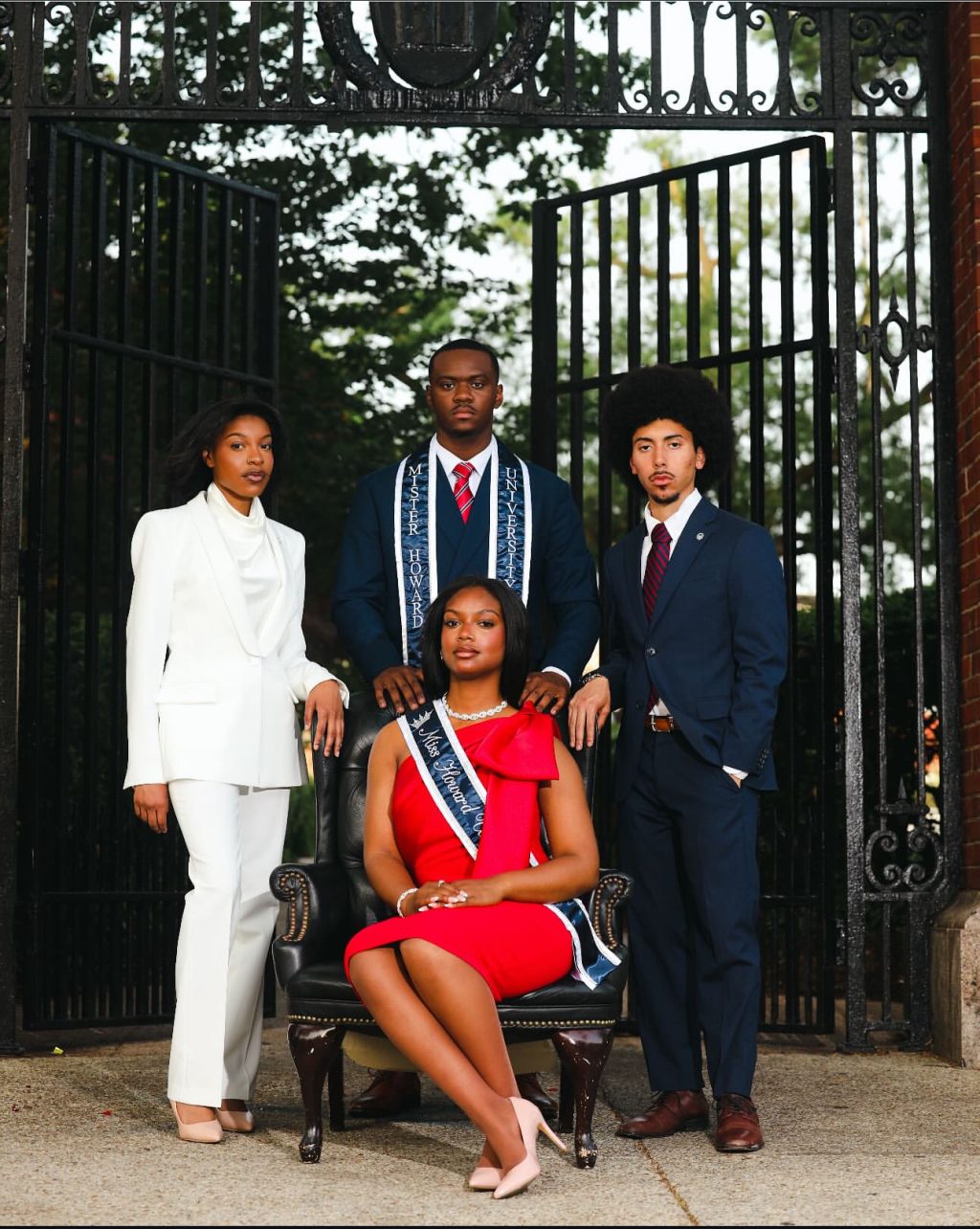
How has Howard University molded you into the person you are today?
Howard turned my passion into purpose. It gave me the language to name injustice, the community to sharpen my convictions, and the courage to act on them. At Howard, I learned that transformation must be paired with information, intention, and accountability, that those closest to the pain should also be closest to the power, and that true leadership is about building access, creating pathways, and leaving institutions better than when you entered them.
What specific initiatives have you headed up this year (or are planning) and how do you think they will improve the school and surrounding community?
The 65th Administration led initiatives that expanded student access, transparency, and advocacy at Howard University. Through the launch of the HUSA Hotline and Case Management System, the administration streamlined student support and helped secure emergency housing and financial aid assistance, resolving 20+ student cases in collaboration with university offices. During the financial aid crisis, the administration also coordinated mutual aid efforts, connecting students in need with alumni support while strengthening long-term alumni engagement pipelines.
The administration prioritized access to information through Signed, Sealed 65, equipping students with clear guidance on campus life/culture, institutional policies, and resources. We led key initiatives such as the “HU Surrounded” Faculty Luncheon, Bison Business Expo, and the promotion of student businesses through official university communications.
In policy advocacy, the 65th Administration advanced student-centered reform including revised student code of conduct, AI, and visitation policies. As well as the passage of three constitutional referenda restoring and restructuring Student Activity Fee allocations to expand access to professional development, travel, and competition funding for students and organizations.
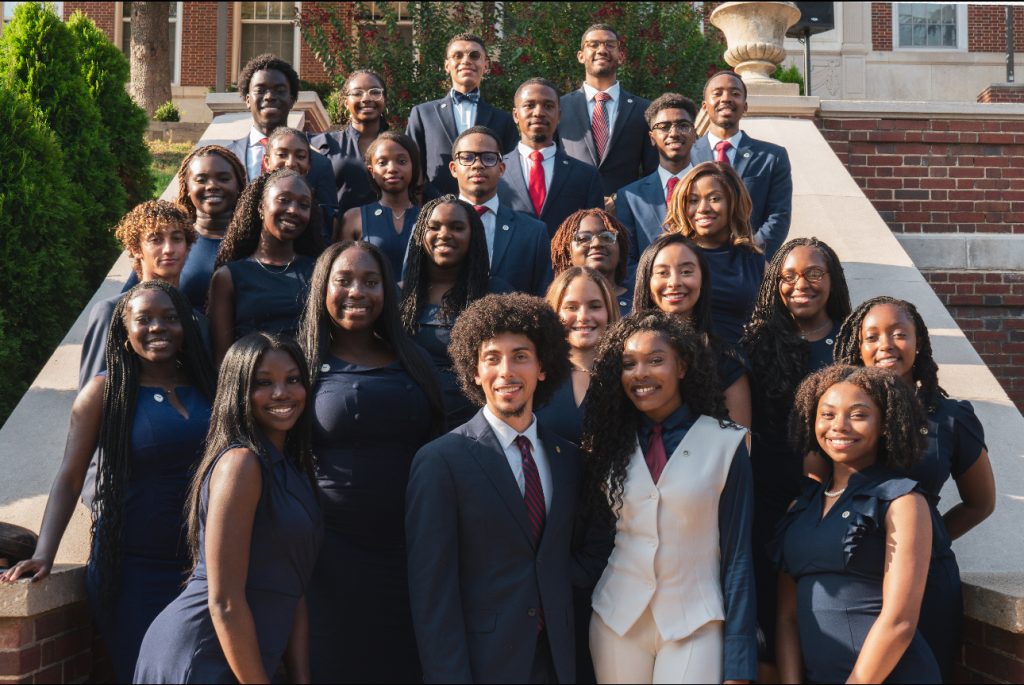
How is your student government administration/school currently working on attending to the mental health of students?
We have partnered with campus organizations and offices to host wellness-centered programming, including yoga and stress-relief events, and launched Safety Is Preventative, an initiative that centers early intervention, safety awareness, and proactive mental health education. We have also prioritized mental health by addressing the structural stressors that most impact students. This includes advocating for emergency housing, supporting international students in need of winter housing, expanding access to SNAP and food resources, and creating job and resource pathways for non-traditional students. Additionally, our sustainability and access initiatives, such as launching the HU Closet, organizing professional clothing drives, and installing Little Libraries, help reduce financial strain and academic stress, which are closely tied to student mental health. Together, these efforts reflect a holistic approach that treats mental health not only as a clinical issue, but as a matter of safety, stability, dignity, and belonging.
What does leadership mean to you?
Leadership means service with accountability, leading others to the access and decision-making power you hold, and empowering them to shape how that power is used and to exercise it for themselves. True leadership to me, centers the voices most often excluded from the table, creates clarity in moments of confusion, and builds pathways for collective ownership. It is measured not by control, but by how many people leave better informed, more confident, and more capable of advocating for themselves and their communities.
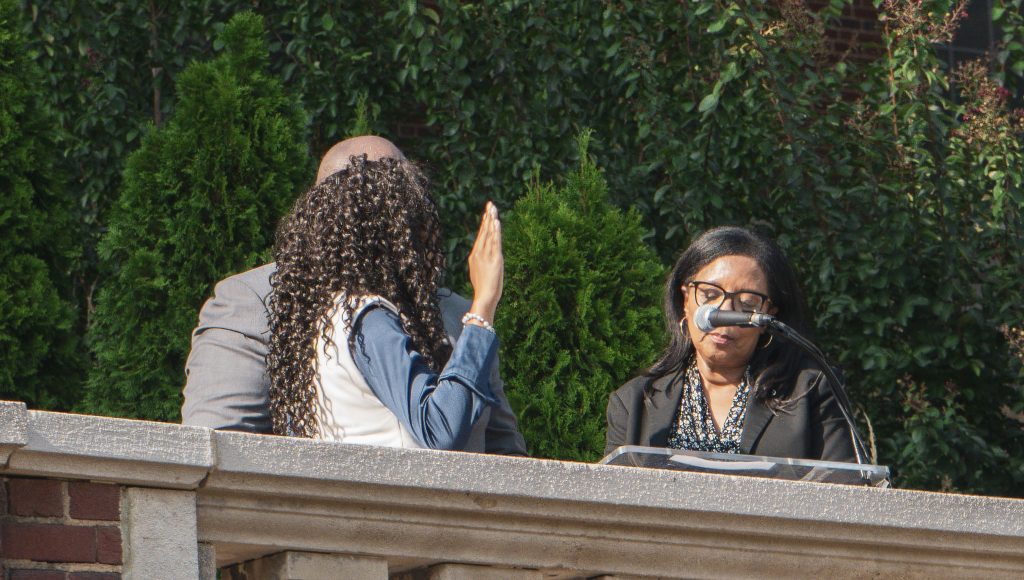
We now live in a digital world, what do you think schools need to do to represent themselves online in 2025–2026?
Invest in consistent, authentic storytelling that reflects who they are and who they serve. That includes leaning into difficult conversations and moments of controversy rather than hiding from them. Silence or deflection erodes trust; transparency and context build it. Schools must be willing to acknowledge challenges, explain decisions, and center student voices while controlling the narrative instead of allowing it to be shaped externally.
Why do you think Watch The Yard is important to Black students and college culture?
Watch The Yard is important to Black students and college culture because it documents, validates, and protects Black collegiate experiences in real time. It tells our stories with cultural fluency and respect, something mainstream outlets have historically failed to do or have ignored altogether. For Black students, especially at HBCUs, Watch The Yard functions as both an archive and a megaphone. It amplifies traditions, leadership, protest, joy, and excellence while holding institutions and organizations accountable in ways that feel culturally grounded rather than extractive. It also shapes narrative power, allowing Black students to see themselves reflected accurately and to understand their experiences as part of a larger, shared legacy.

What do you plan on doing after graduation?
After graduation, I plan to pursue graduate study in the Philosophy of Education with a focus on culture, institutions, and society. My long-term goals include shaping K–12 curriculum and policy in education administration and/or local government and contributing to research on urban education, particularly the standardized injustices embedded in the origins of public schooling and their enduring effects on marginalized communities.
We at Watch The Yard would like to commend Naesoj Ware for her work as the student government president of Howard University .
Photo Credits: @gilltention


 AKAs1 week ago
Alpha Kappa Alpha Just Chartered Its Fourth Chapter in The Bahamas

 AKAs6 days ago
This AKA’s Mother Joined the Same Chapter and Became Her Legacy Exactly Ten Years After Her Own Initiation
 Alphas4 days ago
Alpha Phi Alpha Hosts ‘Get Home Safe’ Program in New Jersey to Help Students Navigate Police Traffic Stops