Kappas
Baylor Assistant Coach Melvin Hunt on How Kappa Alpha Psi Shaped His Journey
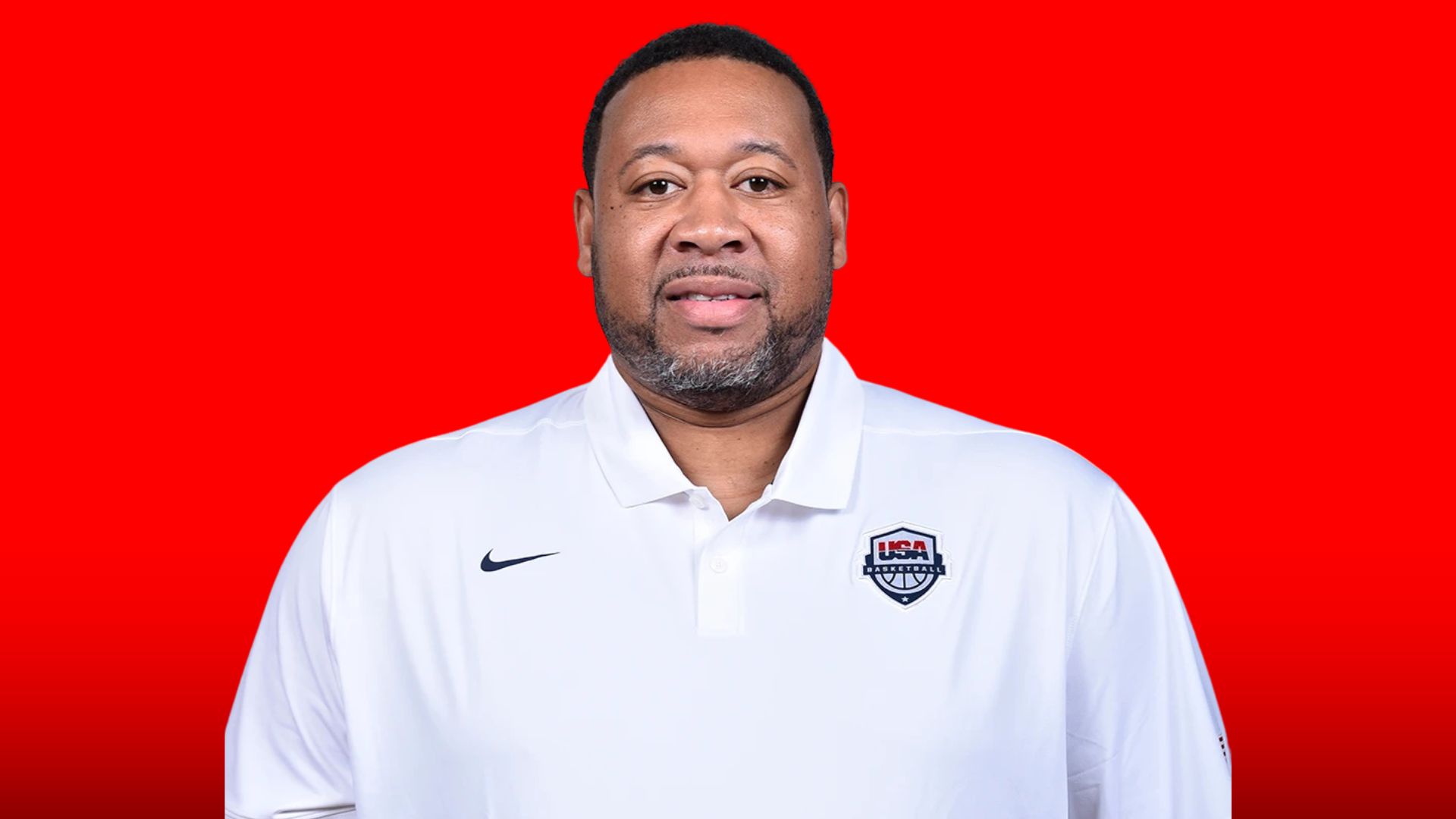
Melvin Hunt’s journey through basketball has taken him from small-town Louisiana gyms to NBA sidelines and back to Baylor University, where he now serves as an assistant coach for the Bears men’s basketball program. A former four-year letterman and three-year starter at Baylor, Hunt helped lead the Bears to NCAA and NIT tournament appearances before embarking on a professional playing career overseas and a coaching path that would span high school programs, college benches, and some of the most storied franchises in the NBA.
Over more than two decades, Hunt has coached at every level of the game, including stints with the Houston Rockets, Los Angeles Lakers, Cleveland Cavaliers, Denver Nuggets, Dallas Mavericks, and Atlanta Hawks. He was part of the Cavaliers coaching staff during one of the most successful stretches in franchise history, including a 66-win season and an NBA Finals appearance, and later served as interim head coach of the Denver Nuggets in 2015.
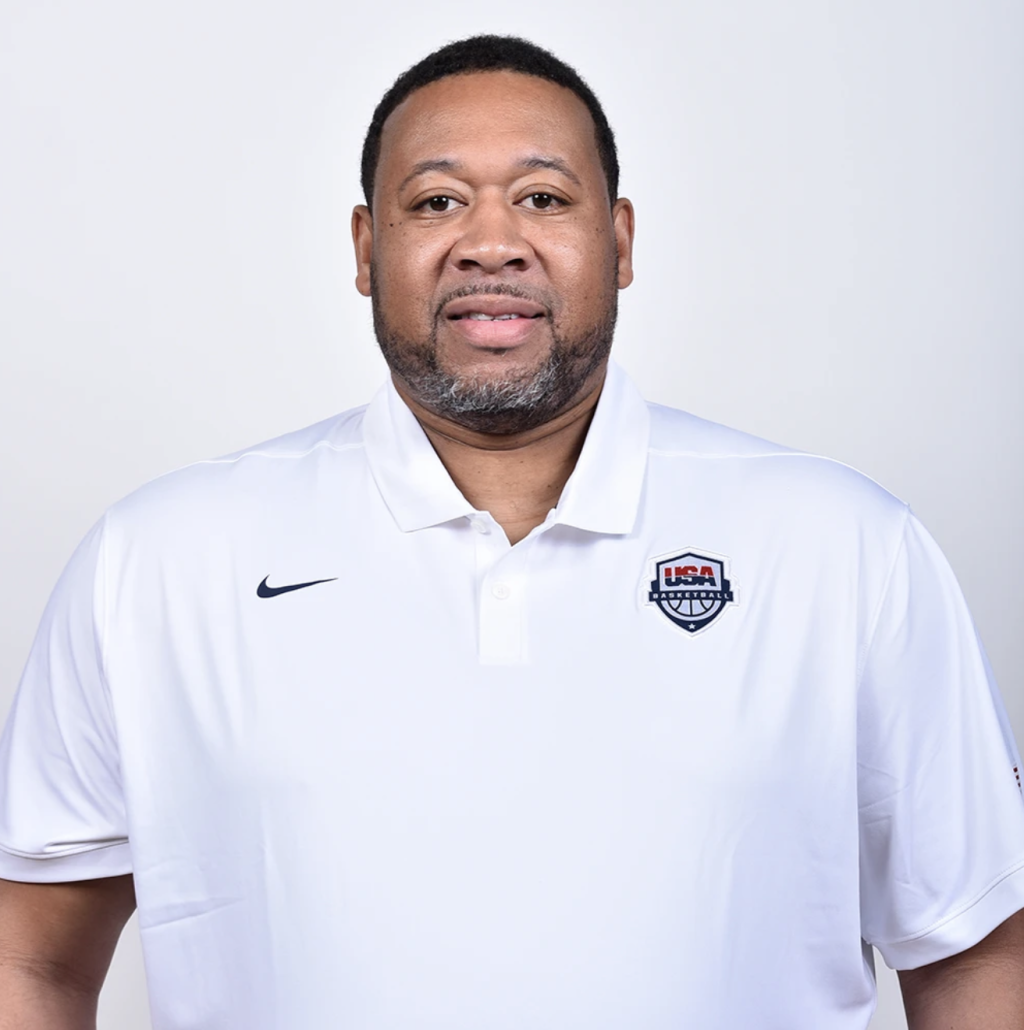
Yet for all the accolades and stops along the way, Hunt grounds his story not in wins and losses, but in faith, discipline, and brotherhood. A proud Spring 1990 initiate of the Lambda Lambda Chapter Kappa Alpha Psi Fraternity, Inc., he views basketball as a platform rather than the destination,a way to reach, mentor, and pour into young people.
Q: When you think back to the day you crossed Kappa Alpha Psi, what emotions come up?
A: First, it reminds me how old I am now. It was a long time ago. But mainly: completing a task, brotherhood, and continuation of how I grew up. I was raised around Greeks: my mom’s a Delta, my dad’s an Omega, my father-in-law’s an Omega, my high school coach and best friend are Kappas. When pledging got hard, I remembered everyone else who completed it and said, “If they can do it, I can too.”
Q: What was the first moment when brotherhood really showed up for you?
A: Shortly after I crossed. I went to Los Angeles for a basketball tryout with no money and no connections. A brother I’d never met took me in and helped me. That’s when I realized it’s much bigger than local chapters; it’s national and generational.
Q: You’ve described basketball as your “camouflage.” What do you think God was preparing you for through the game?
A: At times I didn’t know why God moved me or kept me from places. Looking back, he was preparing me for today to be his hands and feet, to pour into young people. Basketball gives me a platform to connect, break the ice, and then do the real work: impacting lives and eternity.
Q: What early lessons about discipline or community stuck with you growing up in Louisiana (and Flint, MI)?
A: My high school coach, Mitchell Riggs. We improvised—no resources, big dreams. No excuses. Success only comes before work in the dictionary. Hard work is biblical: if you don’t work, you don’t eat. God gave Adam a job before he gave him a family. Work is what we do.
Q: How did joining Kappa Alpha Psi influence your sense of brotherhood and does that mirror what you build in your teams?
A: It was a continuation of how I was raised, family as a team. Brotherhood showed up on the line, in service, in keeping perspective: faith and family first. Kappa confirmed lessons I already learned at home. It required going out of my way so you really had to want it. Same with teams: commitment, shared goals, service, confirming values.
Q: How do lessons from childhood to fraternity to coaching shape your team philosophy?
A: Common goals. Leaving a situation better than you found it. Success isn’t only championships—there’s one winner each year. It’s also community impact. Line life equals team life: chemistry, roles, dwelling together. That theme carries through every part of my life.
Q: Kappa’s motto is “Achievement in every field of human endeavor.” How has that shaped your approach to coaching and leading players?
A: God created excellence, so mediocrity would be a slap in the face. If I’m chasing God daily, I must chase excellence. But excellence isn’t always trophies—it’s balance and proper priorities. I’ve lived that and passed it to my kids and players.
Q: Can you recall a coaching moment where that brotherhood mindset carried someone through adversity?
A: Many. One teammate in another Greek org was struggling. Our shared Greek bond let us drop our guard and support one another. Divine Nine unity is powerful—people helped me financially, gave me housing, wisdom, onboarding. It happens more than people know.
Q: You’ve coached legends like LeBron and Kobe and also young players. How has your understanding of mentorship evolved, and how does your fraternity background influence that?
A: One of the greatest compliments was my kids realizing I coached NBA players the same way I coached them—with consistent care. Fraternity taught priorities: God first, family next.
—-
Melvin Hunt’s journey reflects a truth long understood within Black Greek-letter organizations: success is measured not only by personal achievement, but by the lives you touch along the way. From the fraternity line to the locker room, his leadership has remained rooted in service, accountability, and collective growth.
As he continues to shape young men on and off the court, Hunt stands as a reminder that brotherhood does not end at initiation, it carries forward in how we lead, mentor, and leave spaces better than we found them.
This article was written for Watch The Yard by Nicklaus Utsey, a recent graduate of the University of Texas at Arlington and a Fall 2022 initiate of Alpha Phi Alpha Fraternity, Inc., by way of the Zeta Chi Chapter at UT Arlington. His work focuses on the intersection of sports, leadership, and the Black collegiate experience.

-
 History3 days ago
Uncovering Upsilon Delta Pi: A Forgotten Chicago-Based Black Sorority
-

 Colleges1 week ago
ASU, FAMU, and DSU Face Off in Digital Fundraising Battle for $25,000
-
 Leadership Highlight7 days ago
Leadership Highlight: Mississippi Valley State University’s Student Government President Jouri Thornton