Omegas
SWAC Coach of the Year Tremaine Jackson on Leadership, Discipline, and Being A Proud Member of Omega Psi Phi
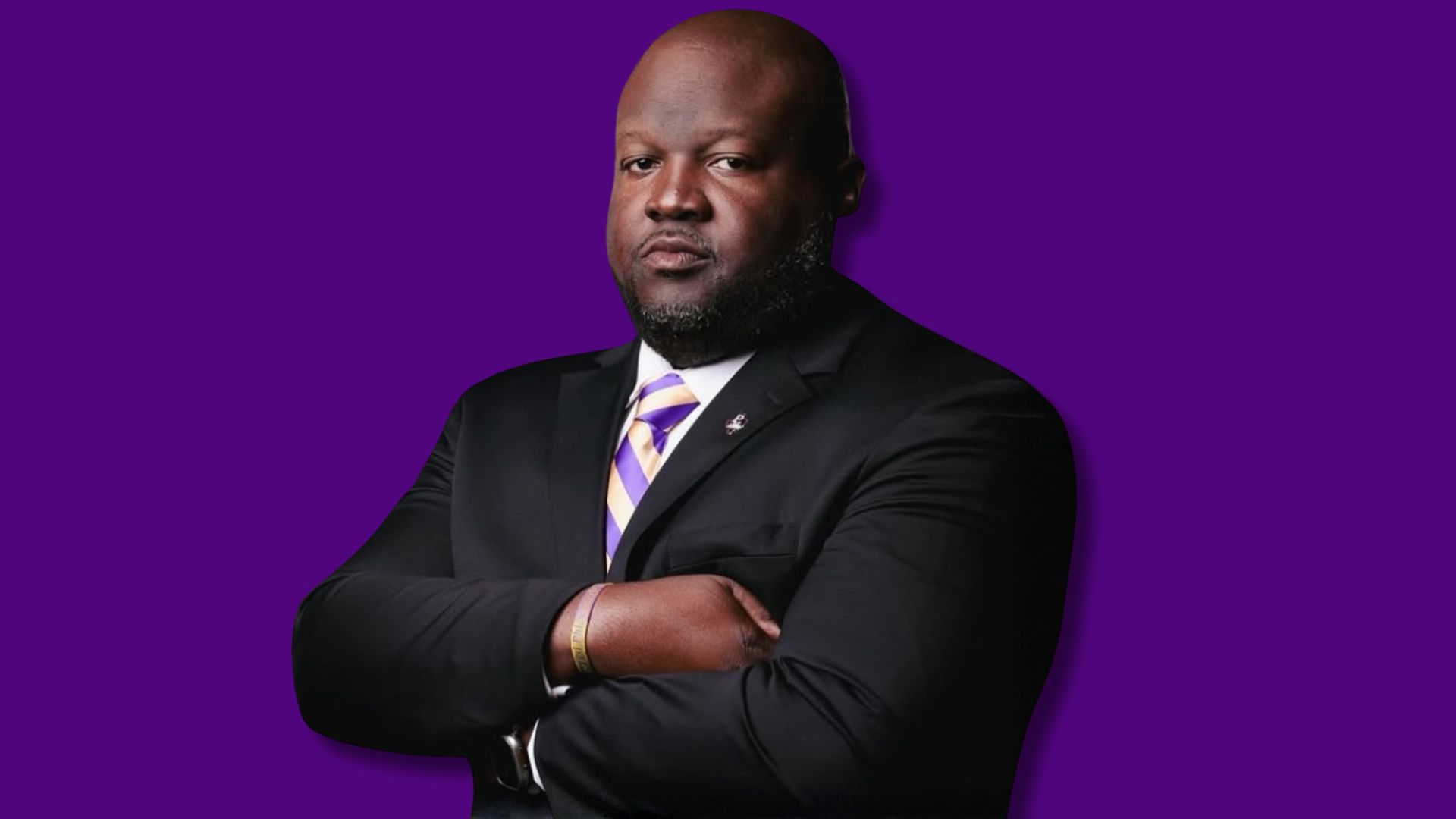
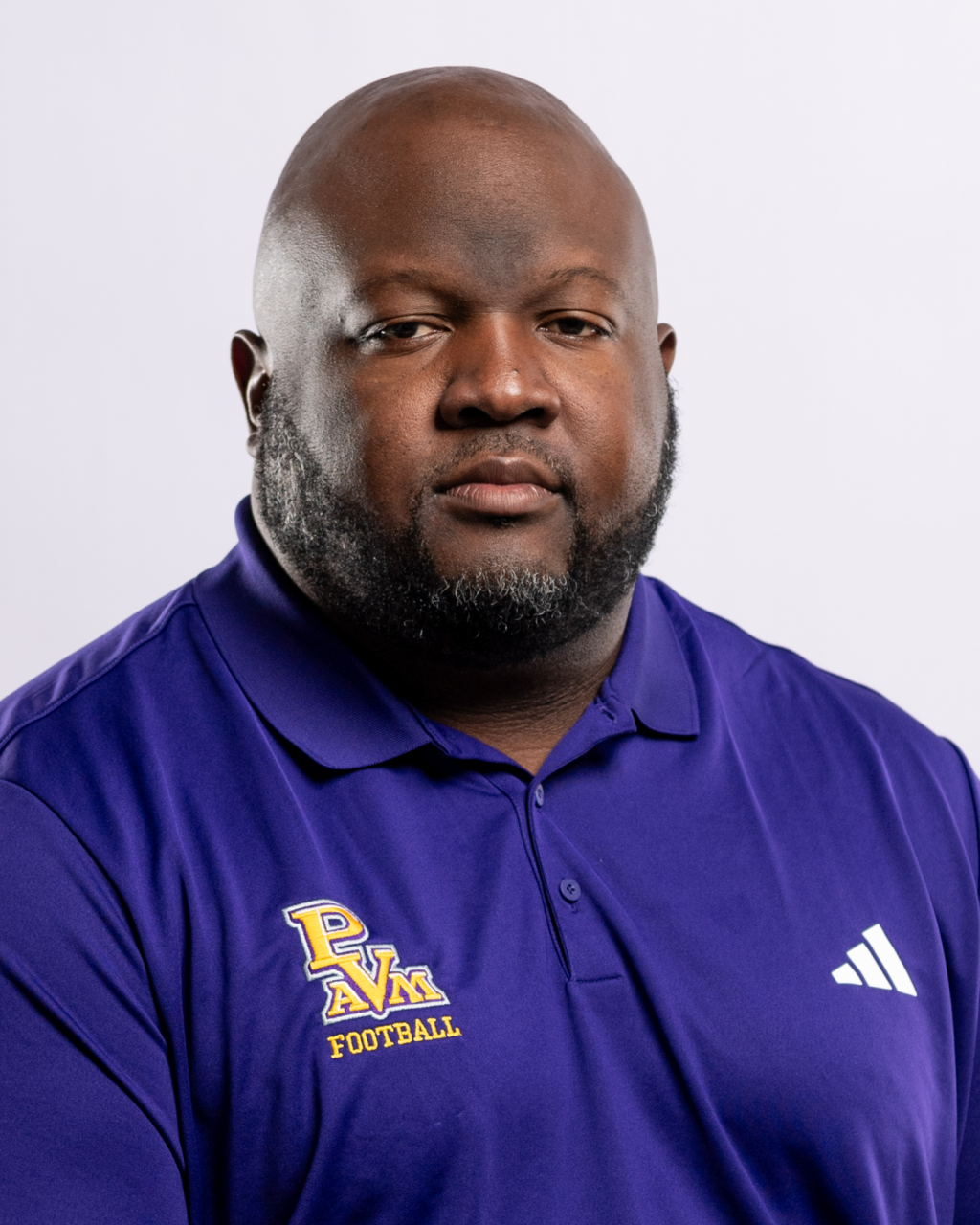
Tremaine Jackson has emerged as one of the rising coaching voices in HBCU football, building a winning program at Prairie View A&M with a clear emphasis on discipline, structure, and accountability.
Since taking over as head coach in 2025, Jackson has led the Panthers to a SWAC championship, their first since 2009, and earned Coach of the Year honors in his first season, a sign of both his leadership and the culture he’s worked to establish. His path to Prairie View spans coaching stops across multiple levels of college football, experiences that have shaped a straightforward, results-driven approach to building programs.
Off the field, Jackson’s perspective is also shaped by his membership in Omega Psi Phi Fraternity, Inc., where he was initiated in Spring 2023 through the Alpha Gamma Gamma Chapter in Valdosta, Georgia. That experience, combined with years of mentorship and coaching, has helped define how he approaches leadership, accountability, and development within his program.
We sat down with Jackson and he reflected on his rapid success at Prairie View A&M, the role his staff and players have played in that journey, and how his experiences, both in football and in Omega Psi Phi, continue to shape the culture he’s building.
Being named SWAC Coach of the Year in your first season at Prairie View A&M is a major accomplishment. When you look back at that recognition, what emotion comes up first — pride, relief, gratitude or something else?
I was very excited for our program and our coaches. When we got here, nobody thought some of the things we did early on were possible.
When you win coach of the year, it really means you’ve got the best staff of the year. Everybody knows the head coach gets the recognition, but there are a lot of people doing far more work than what I do to make the program go.
So I was very grateful for the work that went into building this football program from the day we got here to where we were when that award came. To me, it’s about respect. Those awards always belong to the people we’ve been able to hire and work alongside.
Who was the first person or group you thought about when you heard the news?
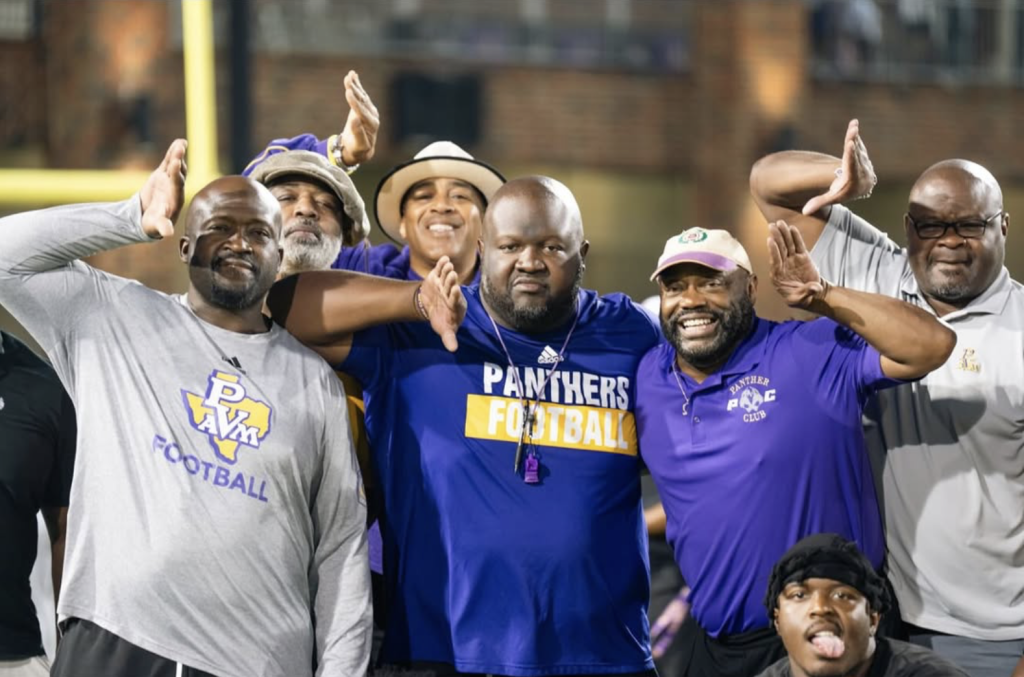
I thought about our staff. I’ve got six guys on the staff who came with me from Valdosta State when we got here.
I thought about the time we spent together when there were no games yet, when the program was still just an idea. We were sitting in rooms talking about what we believed we could accomplish.
I also thought about the sacrifices those coaches made for their families and the time they invested. Seeing that hard work pay off meant a lot.
You’ve coached at multiple levels throughout your career. What part of coaching still gives you the same spark you had early on?
The players.
Seeing new players come into the program and watching how much we can develop them as players and as people is what excites me.
Some of these guys are 17 or 18 years old. A month before they got here, they were just walking the halls of their high school trying to figure out what their future was going to look like.
Watching them grow from point A to point B is special. This is a player-operated program. Everything we do is for the players.
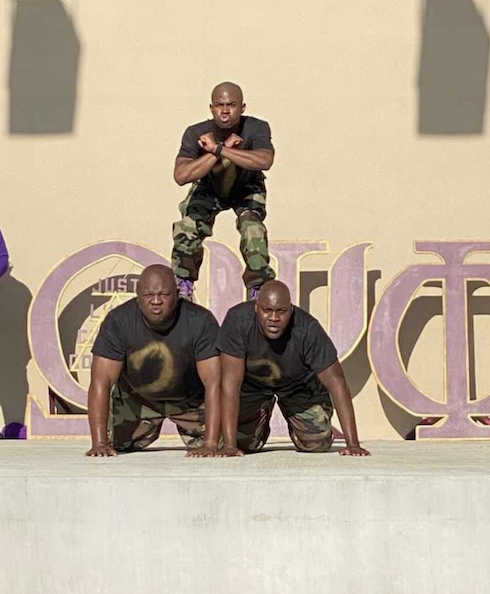
Thinking back to your early days in Omega Psi Phi, what’s one memory that stands out when you realized you had joined something that would be part of your life forever?
The day my line brothers and I crossed.
That moment will always stick with me because each of us had a different story. My Ace is about 20 years younger than me and my Tre is about nine years younger than me.
For us to come from different walks of life and come together to accomplish that goal, doing it with each other and for each other, meant a lot.
You mentioned being older than some of your line brothers. How did that experience shape your leadership style, especially working with young players?
It helped keep me young and connected.
They taught me a lot about the generation that I coach now — the music they listen to, the things they talk about and the way they communicate.
When I went back to work and talked to players about those things, they felt like I understood them better. That helped break down barriers that might have existed because of age.
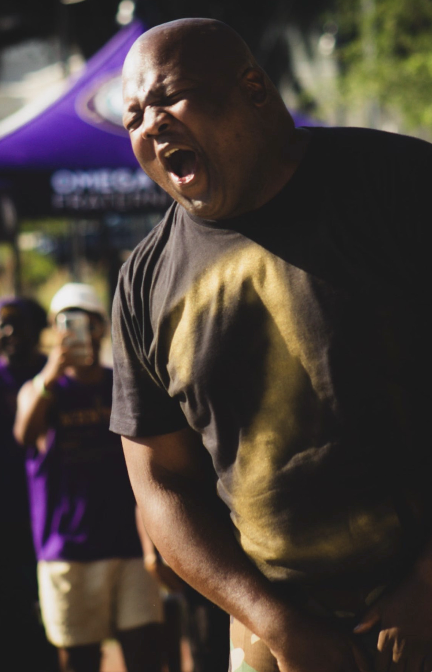
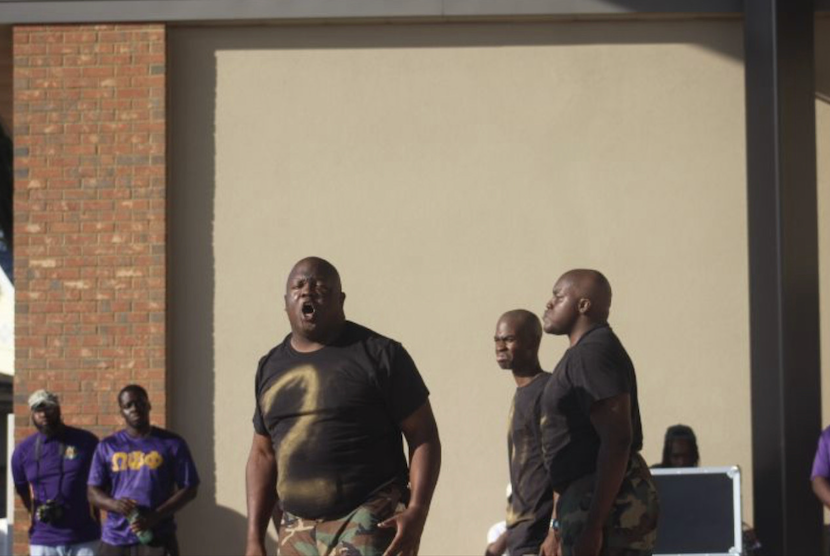
Omega Psi Phi’s cardinal principles are Manhood, Scholarship, Perseverance and Uplift. Which principle has impacted you the most personally?
Probably manhood, with perseverance being a close second.
The road to Omega wasn’t easy, just like the road to becoming a head football coach wasn’t easy. Perseverance was required in both journeys.
But manhood really stands out. I grew up around strong women — my mom and my grandmother — but they made sure I was around good male role models like coaches.
How did Omega Psi Phi influence your definition of manhood, and how does that philosophy show up in your football program today?
Omega teaches you how to engage other men directly.
Sometimes that means confrontation — not negative confrontation, but honest conversations. You learn how to stand face to face with another man and communicate.
We’ve brought that same philosophy into our football program. We teach players how to address men, how to hold themselves accountable and how to deal with difficult conversations.
What behaviors do you actively try to develop or correct in your players?
Telling the truth and meeting the standard.
In our program, meeting the standard is expected. When someone isn’t meeting it, we’re very direct about it.
But when players reach milestones, we celebrate those moments loudly as well.
Showing up to the weight room isn’t something we celebrate. That’s required.
Scholarship isn’t always front and center in football culture. How do you reinforce academic responsibility within your team?
Our program has a blueprint, and the first objective is to educate and graduate our players.
At every institution I’ve been a head coach at, we’ve had the highest team GPA in program history.
But education doesn’t just happen in the classroom. We also focus on life education, helping our players grow into men who can navigate life after football.
You’ve been outspoken about advocating for minority coaches and HBCU programs. How did Omega Psi Phi influence that part of your leadership?
A lot of that started with the coaches who mentored me.
My middle school coach, Dennis Carswell, is a member of Omega Psi Phi. Watching him advocate for his players had a huge impact on me.
Later, when I became a member of Omega myself, I learned even more about using your platform to create change and lead in the community.
Your teams are known for the “DOG mentality” — discipline, obedience and grit. How does that philosophy connect with Omega Psi Phi’s emphasis on perseverance and accountability?
The interesting thing is that we were doing the DOG mentality before I became a member of Omega.
But it aligns well.
Grit is passion and perseverance toward a meaningful goal. Obedience is submitting to authority for the good of the team. Discipline is doing what you say you’re going to do.
Those same qualities are required in Omega as well.
In your first season at Prairie View A&M, you led the program to a SWAC championship. What culture shifts were necessary to make that happen?
The biggest shift was discipline.
When I got here, I asked players what the program needed. The most common answer I heard was discipline.
So we gave them exactly that. Once the collective decided they wanted to become champions, everything changed.
Brotherhood is central to Omega Psi Phi. How do you intentionally build that same type of unity inside a football locker room?
It takes patience.
In our program, we say it’s the coaches’ job to love the players and the players’ job to love each other.
When players truly care about each other, they start playing for something bigger than themselves. Once that happens, the team becomes very difficult to stop.
—-
As Prairie View A&M continues to build on its recent success, Tremaine Jackson’s focus remains steady, developing disciplined teams, empowering his players, and laying a foundation that lasts beyond any single season.
Whether drawing from his journey through the coaching ranks or the lessons gained through Omega Psi Phi, Jackson is clear about what matters most: accountability, growth, and building something bigger than himself. If his first season is any indication, the DOG mentality is more than a slogan at Prairie View, it is the foundation of the culture he is building.
This article was written for Watch The Yard by Nicklaus Utsey, a recent graduate of the University of Texas at Arlington and a Fall 2022 initiate of Alpha Phi Alpha Fraternity, Inc., by way of the Zeta Chi Chapter at UT Arlington. His work focuses on the intersection of sports, leadership, and the Black collegiate experience.





-
 Alphas1 week ago
Leadership Highlight: Georgia Institute of Technology’s Student Government President Sultan Ziyad
-
 AKAs1 week ago
Alpha Kappa Alpha Sorors at Ball State Help Raise Funds for Local High School While Serving Hundreds at Homecoming Game
-

 Leadership Highlight2 days ago
Leadership Highlight: Miles College’s Student Government Vice President Madison Lee