Leadership Highlight
Leadership Highlight: Rhodes College’s Student Government President Johnathan Burch

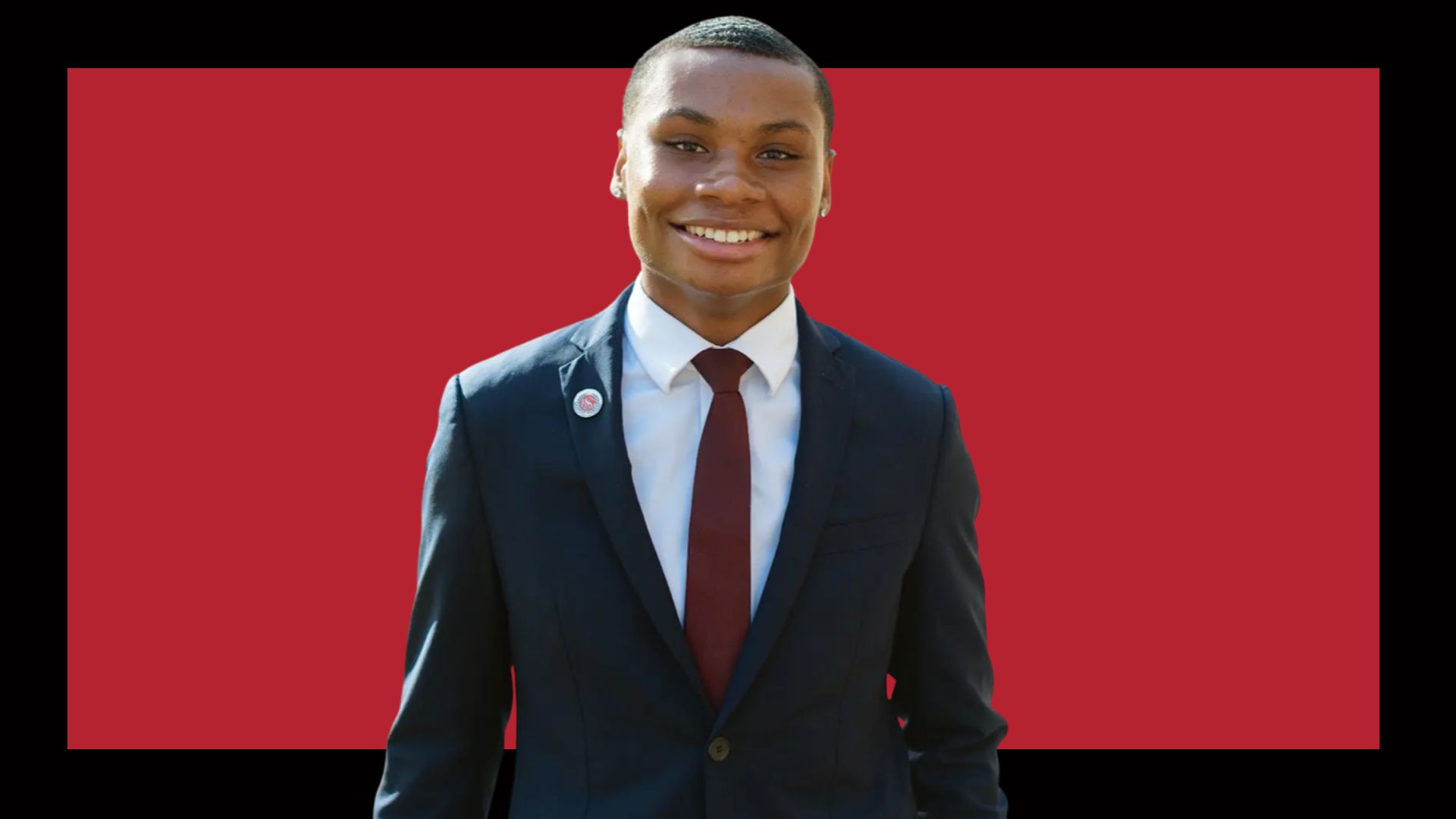
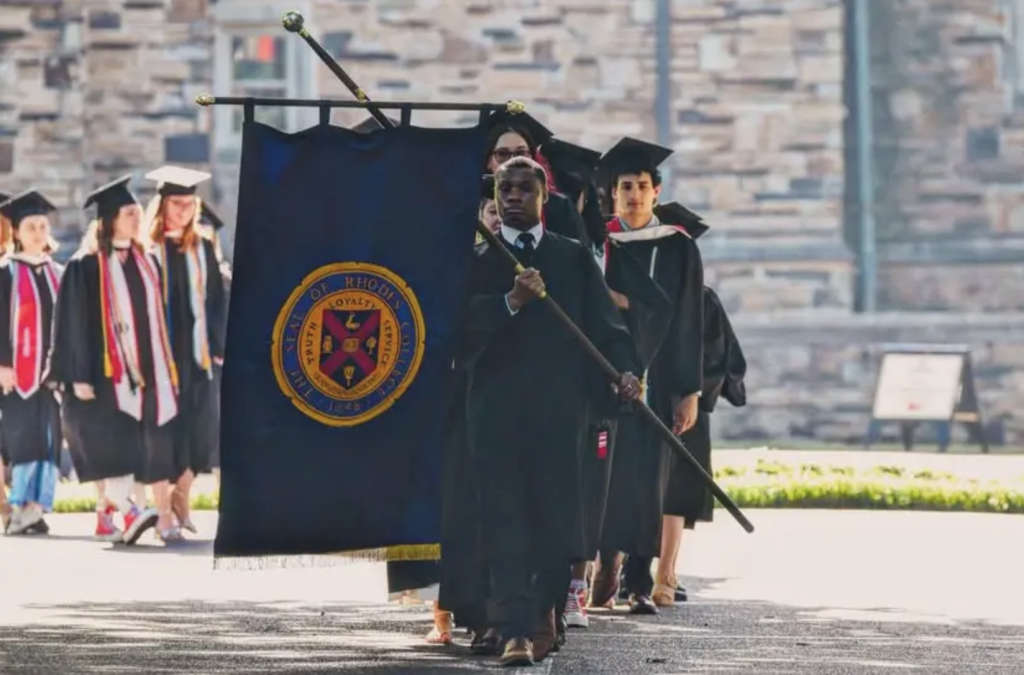
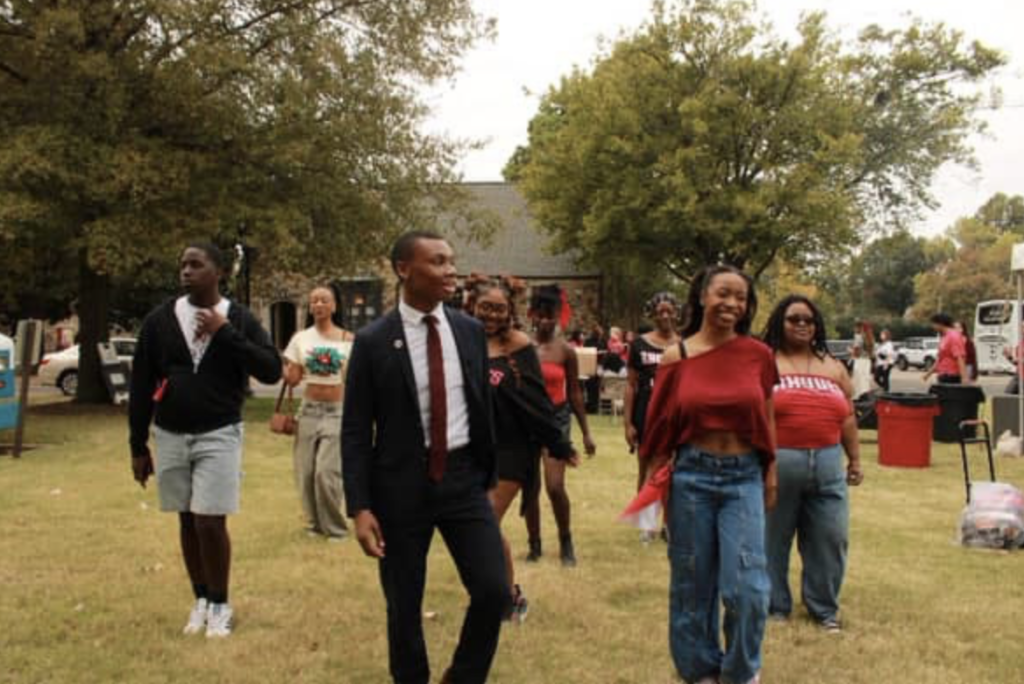
In an effort to highlight the people who are leading colleges and universities across the nation, we at Watch The Yard reached out to Rhodes College and did an interview with Johnathan Burch, the 2025–2026 Student Government Association president.
The position of student government president is a highly respected role and there is a special pride that one takes in being elected by their peers to lead. Johnathan Burch, who is majoring in Political Science (Concentration in Politics & Law), is from Charlotte, NC .
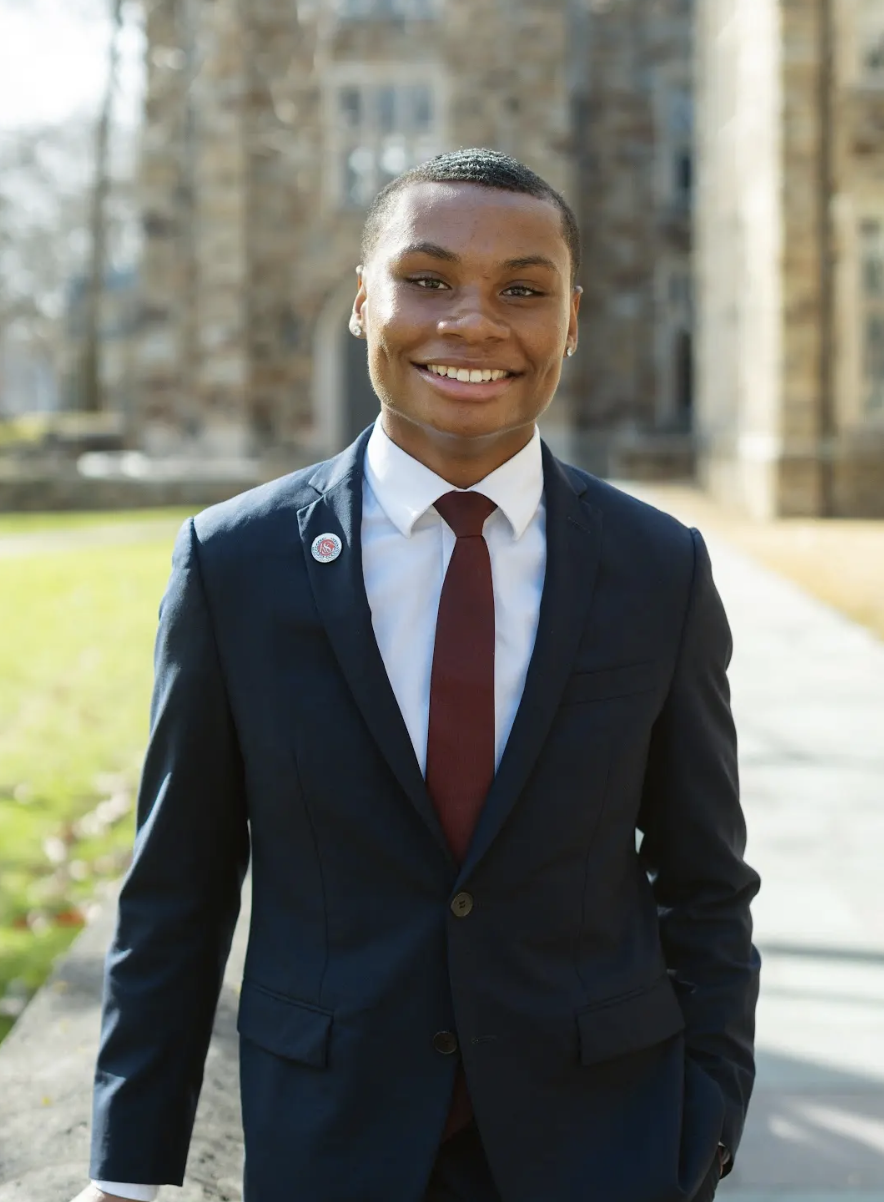
We interviewed Johnathan Burch and talked to him about his position, goals, future and what it means to hold this type of leadership position in 2025–2026.
Read the full interview below.
What is the biggest thing you’ve learned as a student government president so far?
The biggest thing that I’ve learned so far as Rhodes Student Government President is to listen to the concerns of the student body before responding with what I might think is the right solution. Many different groups on campus require different approaches, so the most equitable approach is meeting students where they are in order to get as close to a resolution as possible. Sometimes, there are student groups who don’t feel the need to sit down with the administration; in these instances, my role can take on two different forms: (1) be a mediating voice that works to connect the two, or (2) be a resource that can inform students of their rights and the implications of various campus policies. Although this has been one of the biggest challenges, I am grateful that the Rhodes student body has felt comfortable trusting me to voice their concerns to the administration and the Board of Trustees, even as a junior.
What made you decide to attend Rhodes College for undergrad?
I learned about Rhodes College through the Posse Foundation Scholarship, a full-tuition, leadership, merit-based scholarship program dedicated to making prestigious, high-performing liberal arts colleges more accessible through cohort building and on-campus faculty mentorship. After making it past three interview rounds during my senior year of high school, ranking colleges was the hardest part, but it allowed me to learn more about Rhodes College and the incredible political science and pre-law opportunities the institution offers. From a strong political alumni base, including congressional representatives and Supreme Court justices, to one of the most historically and nationally decorated collegiate mock trial programs in the country, Rhodes College was the perfect fit. Alongside these opportunities, Rhodes College is a small liberal arts college in the heart of Memphis, Tennessee, which is special because the city offers a wide variety of nonprofit internship and volunteer opportunities. Smaller class sizes at Rhodes College provide students with opportunities to build meaningful relationships with professors, something that may be more difficult at institutions with larger class sizes.
How has Rhodes College molded you into the person you are today?
Rhodes College has molded me into the person I am today by introducing me to a world of opportunities. From motivating me to become a leader on campus as a freshman to challenging me to take on internship experiences abroad, I have become a more well-rounded student in the way I think and approach certain opportunities. As a freshman senator, I was awarded Rhodes Student Government Member of the Year for my leadership in organizing Rhodes College’s first-ever passport fair in collaboration with the student government association at Christian Brothers University. This initiative allowed me, along with 15 to 20 other students from across both campuses, to obtain a passport, making study abroad more accessible. After receiving my passport, studying abroad became even more of a priority, which is why I applied to become a Frederick Douglass–Daniel O’Connell Global Fellow through the Council on International Educational Exchange. This highly selective, fully funded, and prestigious study abroad experience in Dublin, Ireland, primarily sponsored by the Government of Ireland, allowed me to work as a legal research intern with the Irish Innocence Project. Being an undergraduate student at Rhodes College is what opened the door to these, and numerous other, wonderful opportunities.
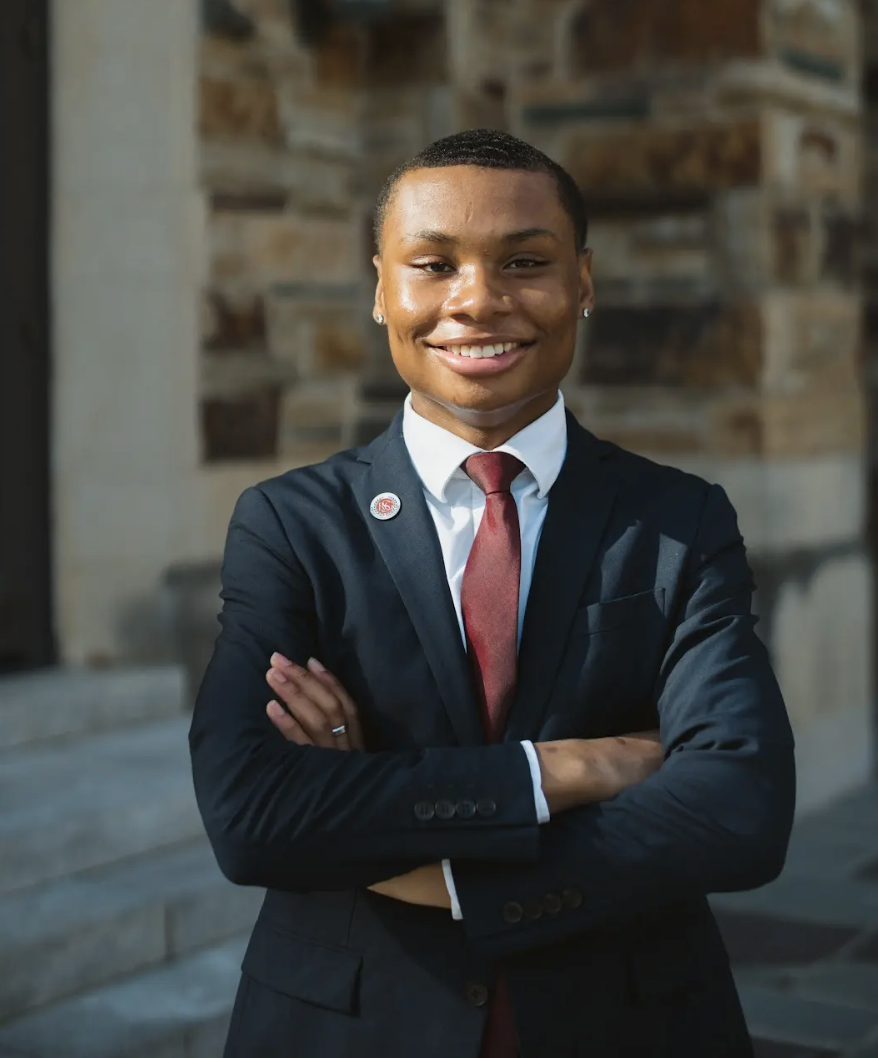
What specific initiatives have you headed up this year (or are planning) and how do you think they will improve the school and surrounding community?
There are two main initiatives that I have headed up this year, with one additional initiative currently in the works for the spring semester. The first is the “Campus-Wide Passion Project Support” initiative, which is designed to bring unelected student representative voices to the decision-making table. Many students feel that student government is the only way to secure a seat at the table, but this initiative allows new projects to come to fruition for the betterment of the Rhodes campus community. However, the Rhodes Student Government President does not take control of the project and instead passes it along to student-elected senators to sponsor it, without placing their names on it. As this project is still in its early phases, logistics are continuing to develop to ensure sustainability for years to come, similar to the passport fair.
The second initiative is the “Associated Colleges of the South (ACS) Student Government Presidents’ Network,” which is designed to connect student government presidents at member institutions. This network is intended to continue beyond this year so that student leaders have a support system outside of their own institutions. This initiative is a collaborative effort between me and the student government president at Sewanee, The University of the South, and has been helpful as we work to involve more ACS schools.
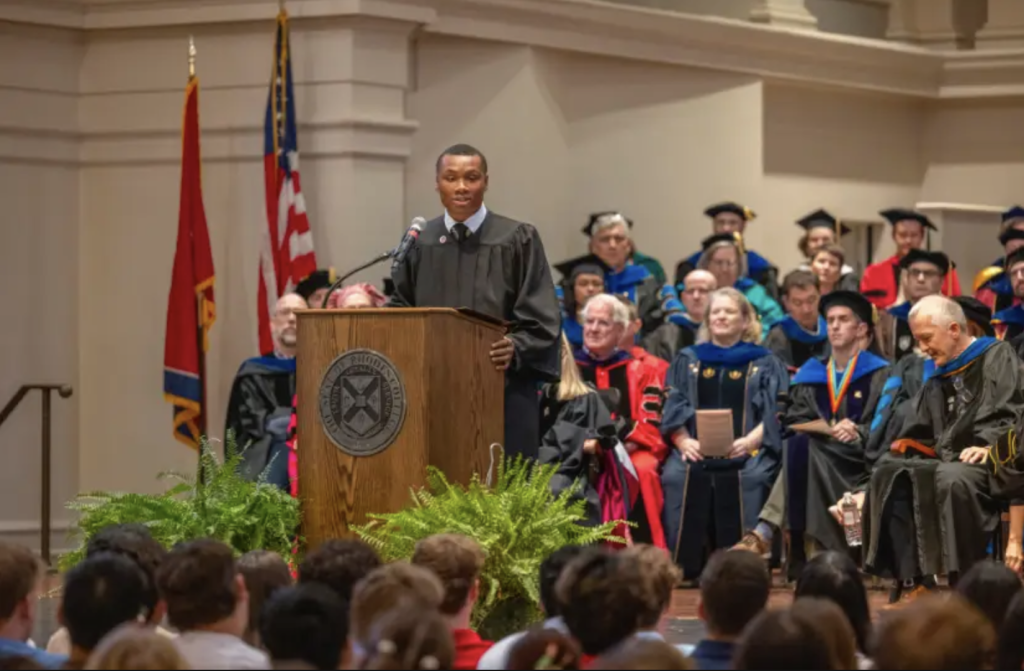
How is your student government administration/school currently working on attending to the mental health of students?
Mental health is a critical topic that I have worked on with the Rhodes student body and administration to ensure it is balanced with academic rigor. Advocacy in this area has been one of the biggest topics of conversation this semester, particularly in ensuring clarity and consistency in how the college responds to mentally taxing events. During these times, many students are more focused on fulfilling attendance requirements than taking the processing time we need. However, this does not always mean completely canceling classes, but rather adjusting a deadline or two and clearly communicating to students that they will be excused from an absence. Overall, I am excited to be working with Academic Affairs and Student Life on this effort, which will help us continue striving toward our campus climate goals.
What does leadership mean to you?
To me, leadership isn’t something that can be neatly defined, because it can look different from person to person and from time to time. When someone tells you that something won’t work because it has already been tried in the past, proceed with caution, as this should never define the trajectory of your leadership potential. However, being a leader, to me, is different from defining leadership, because certain attributes fall under the category of “leader.” Two of the most important attributes are being personable and honest. Being personable allows others to feel comfortable coming to you when there is a concern, because you can relate to them on a deeper level. Being honest, not just with others but also with yourself, is important because there will be many people who tell you that something is impossible or not worth pursuing. You must have the courage of discernment, because the people who elected you are counting on you.
We now live in a digital world, what do you think schools need to do to represent themselves online in 2025–2026?
In our current digital age, schools need to constantly consider ways to modernize their brand to meet the needs and desires of today’s students. What worked ten to twenty years ago might not work as well today, because students are looking for a place with a visible community as well as research and internship opportunities that will launch us into our fields of interest. Although these opportunities are important, brand awareness is also key, because students can tell when a brand is trying too hard to match an aesthetic. When this happens, the risk of turning students away becomes almost inevitable.
Why do you think Watch The Yard is important to Black students and college culture?
I strongly believe that “Watch The Yard” is important to Black students and college culture because it spotlights Black excellence and the work that merits this recognition. Beyond this, when Black students see the excellence of our community, it inspires us to continue breaking down barriers for future generations. It shows us what is possible, even amid voices suggesting otherwise.
What do you plan on doing after graduation?
Following my graduation from Rhodes College in 2027, I plan to attend law school to earn both my JD and a Master’s in Public Policy. Medical law and healthcare policy are two areas of interest, and I hope to one day follow in the footsteps of Rhodes alumni by becoming a member of Congress, and more specifically for me, in the United States Senate.
We at Watch The Yard would like to commend Johnathan Burch for his work as the student government president of Rhodes College .

 Deltas6 days ago
Delta Sigma Theta’s Keisha Lance Bottoms Just Won the Democratic Primary for Georgia Governor
 Kappas6 days ago
Kappa Alpha Psi’s Charles Booker Just Won the Democratic Primary for U.S. Senate in Kentucky

 Deltas3 days ago
A Founder and a Scholar: Delta Sigma Theta Founder Dr. Eliza Pearl Shippen’s Dissertation