Leadership Highlight
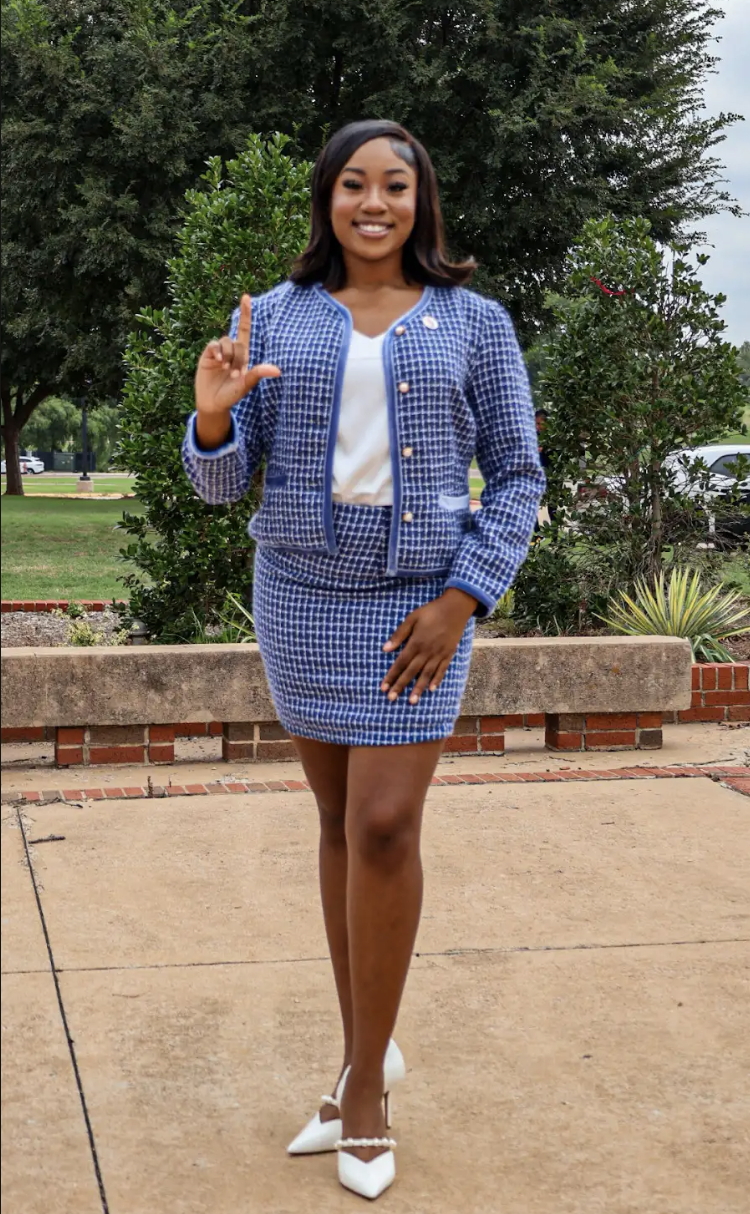
Leadership Highlight: Langston University’s Student Government President Elise Thompson

In an effort to highlight the people who are leading colleges and universities across the nation, we at Watch The Yard reached out to Langston University and did an interview with Elise Thompson, the 2025–2026 Student Government Association president.
The position of student government president is a highly respected role and there is a special pride that one takes in being elected by their peers to lead. Thompson, who is majoring in Accounting, is from Oklahoma City, Oklahoma .
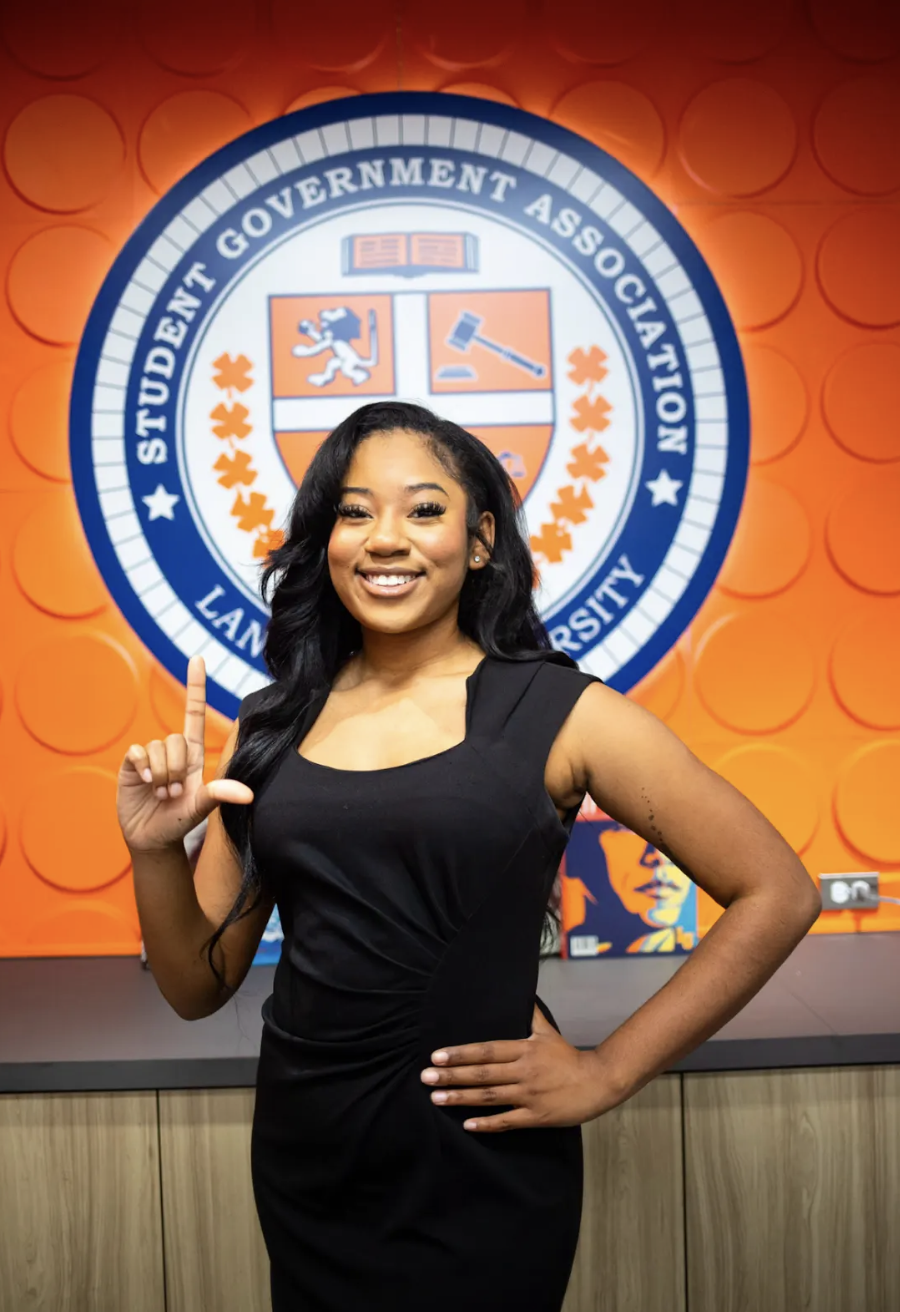
We interviewed Elise Thompson and talked to her about her position, goals, future and what it means to hold this type of leadership position in 2025–2026.
Read the full interview below.
What is the biggest thing you’ve learned as a student government president so far?
The biggest lesson I have learned as SGA President is to keep going, even when leadership becomes challenging. Having the support of both the student body and university administration has shown me that anything is possible when I remain focused and committed to service. This role has taught me that serving others does not just benefit the community, it also strengthens personal growth.
I have learned the importance of advocacy and speaking up, especially in moments when others may hesitate to do so. Leading student government has also shown me how important it is to invest in my team so we can grow, elevate, and succeed together. Additionally, serving as SGA President has taught me the importance of understanding operations, accountability, and leadership from a business perspective, since student government functions much like an organization that must be managed with intention and care.
What made you decide to attend Langston University for undergrad?
My decision to attend Langston University was rooted in legacy, community, and purpose. My mother is a proud Langston graduate, and many of my family members and community leaders share a connection to the university. I wanted to remain in my home state, and as the only HBCU in Oklahoma, Langston stood out as a place that carried both cultural and historical significance.
As a McCabe Scholar, receiving a full-ride scholarship made it possible for me to fully immerse myself in leadership, service, and academics. I was also drawn to Langston’s close-knit, family-oriented environment. Growing up on the northeast side of Oklahoma City, I was inspired by Langston alumni who made a lasting impact on my community. Seeing how Langston graduates went on to accomplish great things motivated me. My favorite quote sums it up best: “From Langston, to the world.”
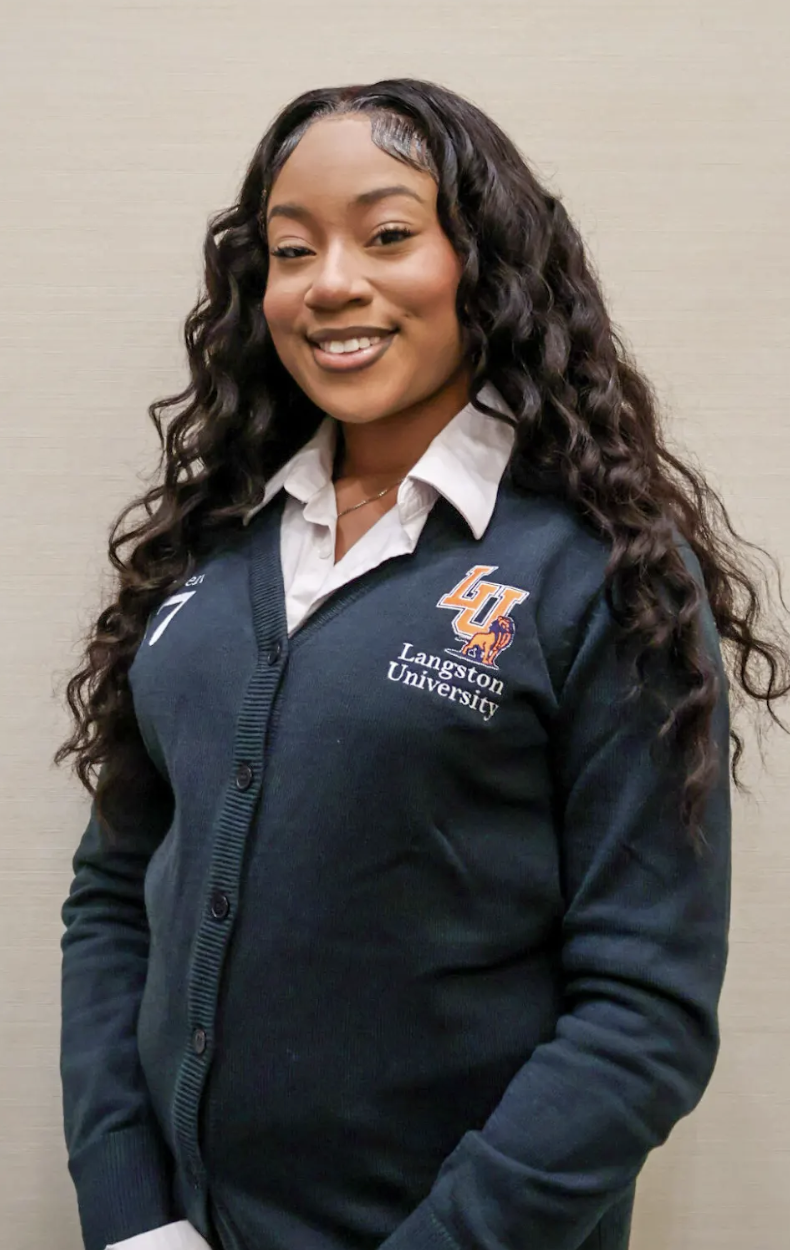
How has Langston University molded you into the person you are today?
Langston University has shaped me through both challenges and growth. I experienced setbacks, but I consistently learned how to overcome them and come out stronger. Langston taught me the value of community and the importance of showing up for other students, especially during difficult moments.
Through leadership opportunities, I learned how to network and build meaningful connections that extend beyond the campus. Langston molded me into a determined individual who does not take no for an answer and continues to try until the goal is achieved. As the saying goes, “If you can survive at Langston, you can survive anywhere.” I learned resilience, resourcefulness, and how to turn limited resources into opportunities.
The university also helped me develop confidence and thick skin in a demanding social and leadership environment. Most importantly, Langston shaped me into a compassionate leader who genuinely cares about the success and well-being of others.
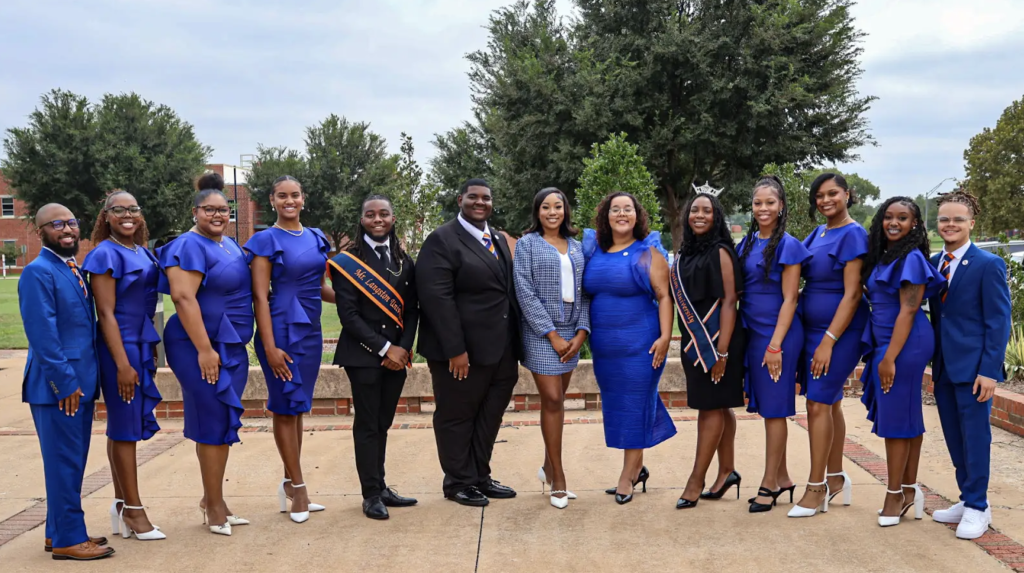
What specific initiatives have you headed up this year (or are planning) and how do you think they will improve the school and surrounding community?
This year, my administration prioritized professional development by hosting events that prepare students for life beyond college. A major goal has been increasing exposure for Langston University so that more people recognize the impact of our small, rural HBCU. Academically, we promoted strong study habits through organized study sessions with tutors and community partners.
I serve as a student voice on the Oklahoma State Regents for Higher Education Student Advisory Board, where I provide recommendations on behalf of Langston students. I also helped draft student-focused legislation, including increasing the enrollment balance cap from $200 to $1,000, which has improved student retention and access to enrollment.
At the state level, I built relationships with legislators and advocated at the Oklahoma State Capitol against legislation that threatened Langston’s academic uniqueness by allowing duplication of its programs. Protecting Langston’s programs is essential to maintaining enrollment and long-term sustainability. I also worked closely with administrators to expand student access to microcredentials through legislative advocacy.
Additionally, I supported the Langston University band to highlight an important part of campus culture, advocated for increased funding, helped raise funds for the university, and distributed over $10,000 in scholarships to students. I also worked to strengthen relationships between the university and the town of Langston by meeting with city leadership to address student concerns.
How is your student government administration/school currently working on attending to the mental health of students?
Our administration prioritizes student mental health by actively promoting campus resources and events through the university calendar. We support mental health programming, provide safe spaces for students to share their experiences, and encourage community engagement. Support groups and open conversations are key parts of our approach, ensuring students feel seen, heard, and supported.
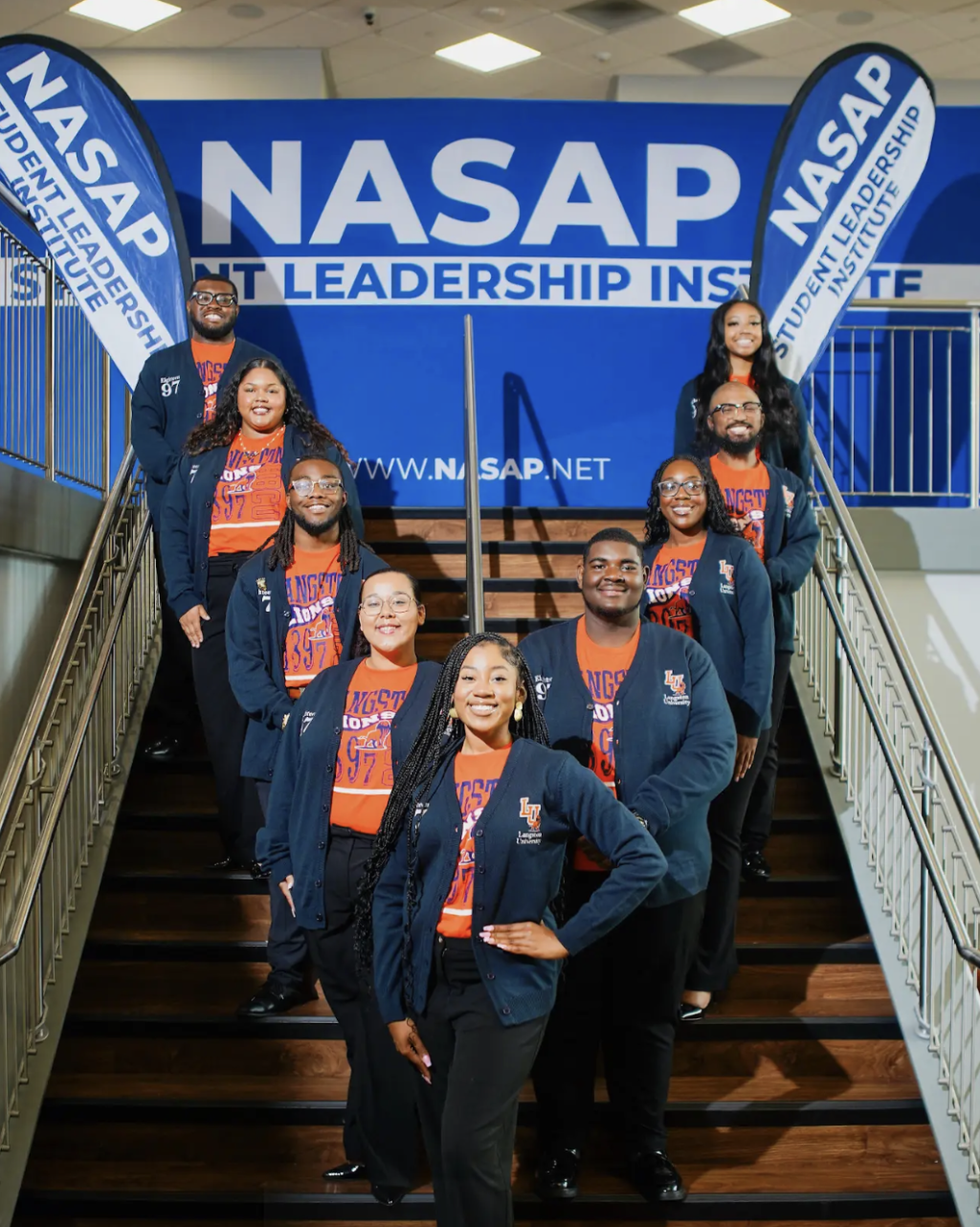
What does leadership mean to you?
Leadership means serving others and doing the right thing, even when it is not popular or widely supported. It means bringing people together around a shared goal, speaking up when it matters, and setting a standard that others can follow.
We now live in a digital world, what do you think schools need to do to represent themselves online in 2025–2026?
Schools need to intentionally showcase why HBCUs matter and how they continue to contribute to society. This includes highlighting student success, honoring history, and showing how institutions are preparing students for the future. Digital platforms should celebrate Black excellence, community impact, and the unique culture that defines HBCUs.
Why do you think Watch The Yard is important to Black students and college culture?
Watch The Yard is important because it connects HBCU students nationwide, showcases Black excellence, and documents the culture of our generation. It plays a vital role in preserving and uplifting the stories, achievements, and traditions of Black college life.
What do you plan on doing after graduation?
After graduation, I plan to pursue a master’s degree in accounting and work toward becoming a Certified Public Accountant. I also plan to travel, continue serving my community, and work in some capacity at the Oklahoma State Capitol.
We at Watch The Yard would like to commend Elise Thompson for her work as the student government president of Langston University .

-

 Leadership Highlight5 days ago
Leadership Highlight: Miles College’s Student Government Vice President Madison Lee
-

 Omegas3 days ago
SWAC Coach of the Year Tremaine Jackson on Leadership, Discipline, and Being A Proud Member of Omega Psi Phi
-

 Leadership Highlight5 days ago
Leadership Highlight: University of the District of Columbia’s Student Government President Kayleah Shelton