Alphas
Leadership Highlight: North Carolina A&T’s Student Government President Corey Smith II

In an effort to highlight the people who are leading colleges and universities across the nation, we at Watch The Yard reached out to North Carolina Agricultural and Technical State University and did an interview with Corey Smith II, the 2025–2026 Student Government Association president.
The position of student government president is a highly respected role and there is a special pride that one takes in being elected by their peers to lead. Corey, who is majoring in Criminal Justice, is from Charlotte, North Carolina .
He is a proud Spring 2023 initiate of Alpha Phi Alpha.
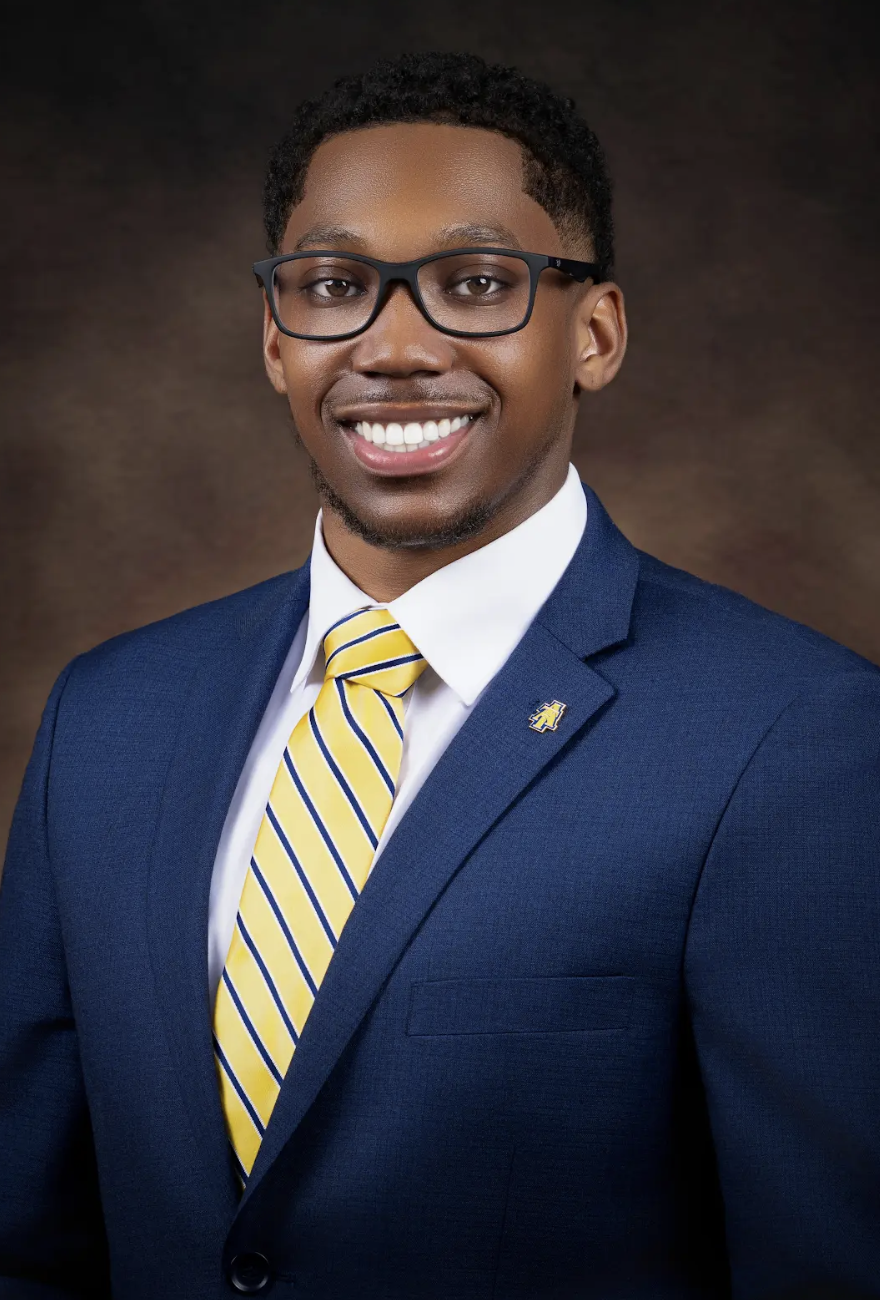
We interviewed Corey Smith II and talked to him about his position, goals, future and what it means to hold this type of leadership position in 2025–2026.
Read the full interview below.
What is the biggest thing you’ve learned as a student government president so far?
The biggest lesson I’ve learned as SGA President is the importance of being intentional about how I show up. In this role, I’ve come to realize that leadership is always on display, whether I am attending a small meeting or representing the student body at a large-scale university event. There are always others watching, learning, and forming expectations based on how I carry myself.
Showing up is more than simply being physically present in a room. It means being fully engaged, actively listening to different perspectives, asking thoughtful questions, voicing my opinion when it matters, and taking the time to prepare so that I can effectively represent 15,000 students. I’ve learned that my presence sets the tone, and that consistency, professionalism, and authenticity build trust with campus administrators and my peers. Ultimately, changing the way I show up has helped me become a more deliberate, vocal, and student-centered leader.

What made you decide to attend North Carolina Agricultural and Technical State University for undergrad?
I attended North Carolina A&T after receiving an academic merit scholarship. Unfortunately, A&T was not my first choice, but once I received my scholarship letter in the mail, it sealed the deal for me. I grew up in Charlotte, North Carolina, and in high school, my friends and I would joke around and say that A&T would be “high school part two” since it’s only an hour and a half away from where we lived.
However, that did not stop us from applying and attending. Till this day, we still joke about it and remind ourselves that this was the best decision we’ve ever made.
While in high school, I wish I had asked more questions about the broader impact of attending an HBCU. I had always heard stories about my mother’s experience at Virginia Union University, but I never paused to ask deeper questions about how that environment shaped her identity, values, and sense of purpose. Attending North Carolina A&T allowed me to develop that understanding firsthand and discover a powerful sense of belonging rooted in Aggie Pride.
How has North Carolina Agricultural and Technical State University molded you into the person you are today?
Through my time at North Carolina A&T, I have been able to cultivate my own experiences, passions, and commitment to service and leadership. Being immersed in a community that emphasises excellence, tradition, and advocacy has profoundly shaped who I am today. Through Student Government Association leadership roles like Sophomore Class President and more civic-facing roles like serving as Community Service Chair for the Beta Epsilon Chapter of Alpha Phi Alpha Fraternity, Inc., I have learned how to embrace responsibility, lead with integrity, and serve with a purpose.
These experiences have taught me the importance of collaboration, effective communication, and uplifting others in spaces where representation matters the most. I am proud to say that my undergraduate journey at my illustrious institution, the number one public HBCU in the nation, has prepared me not only academically, but personally and professionally as well.
What specific initiatives have you headed up this year (or are planning) and how do you think they will improve the school and surrounding community?
Parking remains a daily challenge for commuting students at North Carolina A&T. To help address this issue until additional parking is available, SGA is implementing a program that allows students, staff, and faculty without parking passes to donate to the on-campus food pantry, the Aggie Source, in exchange for having parking citations waived completely. This initiative aims to strengthen the relationship with Parking and Transportation Services, help keep the pantry stocked, and provide an alternative to paying fines before holds are placed on student accounts, which can block class registration for the upcoming semester.
In addition, SGA is working to re-implement a long-lasting emergency fund for students facing unexpected financial hardships. By providing critical support for exigent expenses and circumstances, students will be able to remain focused on their academic success without worry or interruption.
Lastly, there have been numerous initiatives surrounding civic engagement, voter registration, and academic support. This semester, our Royal Court has been actively engaged in the greater Greensboro community by establishing new service initiatives. Our Judicial Council has partnered with the Office of Leadership and Civic Engagement to register student voters and promote political awareness. Meanwhile, the Senate has made significant progress in highlighting professional opportunities for students and building strong rapport with campus faculty.
How is your student government administration/school currently working on attending to the mental health of students?
Currently, the Dream Administration is partnering with Tumani DC, a non-profit organization that integrates culturally responsive, trauma-informed, and healing-centered social and emotional learning curricula for college students. Since partnering, we have been able to hold our very own campus activation day, conduct promotional tabling, and participate in a training session. Our goal is to spread awareness about mental health on our campus and give students spaces to relax and recharge through student-led circle groups.
Furthermore, SGA leadership continues to assess student wellness through surveys and gathered data. For the 2025 career fair, we successfully pushed for a decompression space, and we will continue to have conversations with university leadership about expanding accommodations for students. We also encourage students to use on-campus resources like Counseling Services and Healthy Brother Healthy Sister, a peer-led student wellness program within the Student Health Center.
What does leadership mean to you?
To me, leadership is all about community and using your voice to inspire others. I view community as the ability to connect with others, value perspectives, and put yourself in someone else’s shoes. A true servant leader does not need a title to make a difference. Instead, they must have the ability to bring people together with shared goals, delegate effectively, and create an environment where everyone feels empowered to contribute. Through my leadership roles, I have made a commitment to inspire others by establishing a shared vision, encouraging collaboration, and ensuring that every player on the team is valued, seen, and heard. In the end, leadership means writing a legacy and culture for others to thrive, lead, and curate meaningful change that extends beyond my own involvement.
We now live in a digital world, what do you think schools need to do to represent themselves online in 2025–2026?
In 2026, schools must use the digital world to expand their outreach to students. Social media platforms play a pivotal role in communicating and connecting with the student body. A school’s digital footprint should reflect its mission and core values, but it should also be engaging and dynamic so that students retain the information being shared.
However, it doesn’t stop there. As a student leader, I recognize that digital advocacy and outreach can be challenging due to time, budget, and creative constraints. To overcome this, schools must prioritize authentic storytelling, showcase student achievements, and consistently engage with their online community. It’s not just about students receiving information; it’s about how the university conveys it. Content should provide real-time transparency, showcase student voices, and resonate with the experiences and interests of the student body.
As students, we want to know that the university cares about us beyond the classroom. A strong digital presence allows schools to build trust, provide additional support, and emphasize student belonging. By leveraging digital platforms thoughtfully, universities can not only expand outreach and inform students but also inspire them, encourage active participation, and foster a vibrant, connected digital community free of expression.
Why do you think Watch The Yard is important to Black students and college culture?
Watch The Yard is important to Black students and college culture because it highlights the achievements, traditions, and history of HBCUs in a way that positively reflects our identity and community. For Black students, representation matters. Seeing our accomplishments–whether it be step shows, D9 organizations, and student-led initiatives–showcased on a national platform makes my heart smile. Beyond individual pride, Watch The Yard also strengthens college culture by documenting the rich traditions and legacies of HBCUs, helping to preserve them for future generations. In doing so, it increases engagement, inspires students to participate in campus life, and builds a sense of unity across universities. In a world where Black excellence is often underrepresented in mainstream media, Watch The Yard provides visibility, affirmation, and a platform that elevates and empowers the next generation of leaders, scholars, and yardrunners.
What do you plan on doing after graduation?
After graduation, I plan to take a gap year or two to gain additional professional experience while studying for the LSAT. This time will allow me to further develop practical skills, clarify my legal interests, and enter law school fully prepared. I aspire to use my legal education to specialize in criminal defense, advocating for clients, serving my community, and ensuring that individuals receive fair and adequate representation in the courtroom.
We at Watch The Yard would like to commend Corey Smith II for his work as the student government president of North Carolina Agricultural and Technical State University.
Photo Credits:
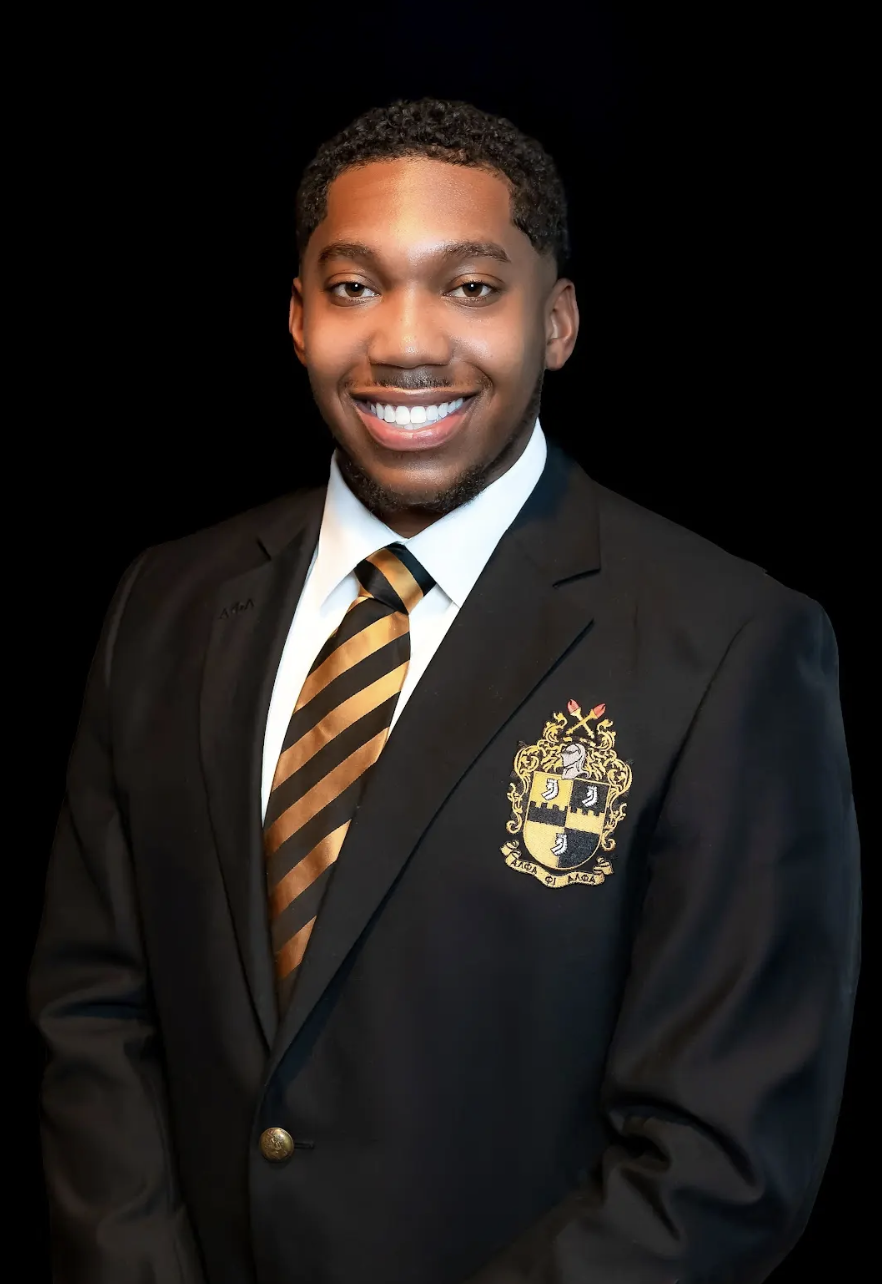
@visualsbykendall – Alpha Phi Alpha Photo
@ak0to – NC A&T Football Game in the Stands

-

 Alphas1 week ago
Leadership Highlight: Tuskegee University’s Student Government President Avery Thomas
-

 Kappas1 week ago
Leadership Highlight: Valdosta State University’s Student Government President Kai Kemp
-

 Alphas4 days ago
Leadership Highlight: Georgia Institute of Technology’s Student Government President Sultan Ziyad