Leadership Highlight
Leadership Highlight: Pace University Pleasantville’s Student Government President Nicholas Diaz


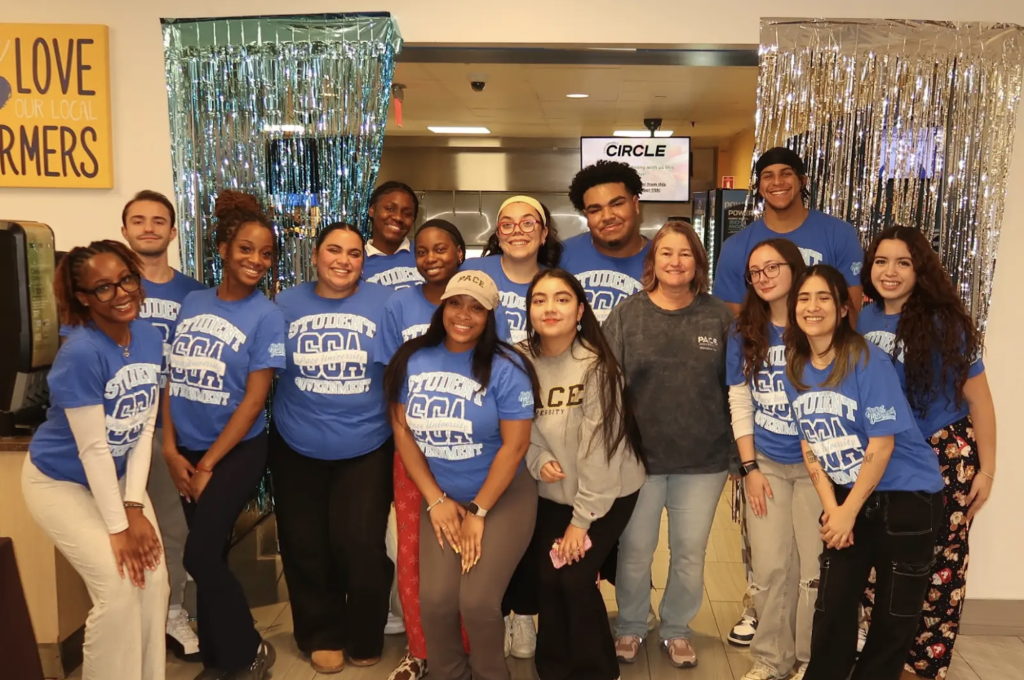
In an effort to highlight the people who are leading colleges and universities across the nation, we at Watch The Yard reached out to Pace University Pleasantville and did an interview with Nicholas Diaz, the 2025–2026 Student Government Association president.
The position of student government president is a highly respected role and there is a special pride that one takes in being elected by their peers to lead. Nicholas Diaz, who is majoring in Digital Journalism, is from Bronx, New York.

We interviewed Nicholas Diaz and talked to him about his position, goals, future and what it means to hold this type of leadership position in 2025–2026.
Read the full interview below.
What is the biggest thing you’ve learned as a student government president so far?
The biggest thing I’ve learned as SGA President is how essential it is to listen before anything else. When I first stepped into this role—as a sophomore at the time—I put a lot of pressure on myself to act quickly and prove myself. But I soon realized that the strongest leadership doesn’t come from rushing into decisions; it comes from understanding what students genuinely want and need. Taking the time to sit with students, hear their concerns, and truly process what they’re saying has made me a more intentional and empathetic leader, both inside and outside the classroom.
Throughout my tenure, I’ve also learned the value of trusting the people around me. Leadership isn’t about doing everything yourself—it’s about building a team, empowering them, and knowing when to step back so others can step up. Trusting my team has not only strengthened the work we do but has helped me grow into a leader who leads with collaboration, humility, and confidence. I used to feel like I had to take everything on myself, but my time as SGA President has taught me that leadership is strongest when it’s shared. When I fully trust my team and give them those opportunities to step up, things run smoother and the work becomes more meaningful because we are all working together to complete a shared goal. It has been a reminder that leadership isn’t about carrying the whole load, it is about building a group of people who all feel invested and empowered together.
The biggest thing I’ve learned from this experience is just how powerful my voice can be. I’ve always been an extrovert, but I never realized how much influence my words and presence could have—or how far they could go in creating real impact for the people around me. I’ve always had a voice, but SGA taught me how to truly use it—to speak with purpose, stand tall with my head held high, and fight for what I believe in no matter what. It shaped me into a stronger, more confident leader, and that’s something I’ll carry with me for the rest of my life.

What made you decide to attend Pace University Pleasantville for undergrad?
Believe it or not, Pace University wasn’t my top choice at first. All throughout high school, I imagined myself at a big out-of-state school, gaining the independence I’d been craving. But as senior year went on, I realized what I actually wanted was a place that felt like a home away from home—somewhere I could grow on my own while still knowing my family was only a quick thirty-minute drive away rather than a plane ride. I grew up extremely close with my family, and that bond is just as strong today. They’ve been my rock through every high and low, always showing up for me in ways big and small. Because of that, I couldn’t imagine being far away from them—they’re such a central part of who I am and the support system that keeps me grounded.
I’d always heard about Pace from family and friends who went here, but I wasn’t sure it was the right fit until I took my campus tour. Walking around as a shy 17-year-old, I was struck by how many opportunities this place could offer me. By the end of that tour, I knew Pace was truly the place for me. I went home, took the night to really sit with my decision, and when I woke up the next morning; literally the day before National College Decision Day, I knew what I had to do. I followed my heart all the way home to Pace. Looking back now, I’m so grateful I trusted that moment, because choosing Pace has been the best decision I’ve made so far.
How has Pace University Pleasantville molded you into the person you are today?
Pace University has played a pivotal role in shaping the person I am today by embracing me fully and celebrating everything that makes me, me. From the moment I arrived, the community has been supportive, welcoming, and consistently in my corner. Throughout my time here, I’ve faced some of the hardest moments of my life—the loss of my grandmother, my cousin, and my dog—and Pace has lifted me up every single time I felt myself falling. The support I’ve received here has reminded me that I’m never alone even when sometimes it can feel like that, and it’s made this place so much more than a university. It’s become a true home.
Being the first student to serve as SGA President for not just one year, not just two, but three consecutive years has truly been an incredible honor and privilege. I will always be grateful to my amazing community here at Pace, whose support, trust, and belief in me made this journey possible. Everyone took a chance on the commuter freshman who used to come to class and head straight home, and that same person has now grown into a senior, a three-year SGA President, and an RA living on campus. The transformation still feels surreal, and I couldn’t be more grateful for every person who believed in me along the way. Serving in this role has been one of the most rewarding experiences of my life, and it’s an opportunity I will carry with me always.

What specific initiatives have you headed up this year (or are planning) and how do you think they will improve the school and surrounding community?
My team and I have been working tirelessly this year on initiatives that not only strengthen student advocacy but also enhance the overall campus experience for everyone. One major project we’ve been spearheading, through ongoing conversations with university administration, is the phasing out of online classes. The COVID-19 pandemic normalized learning through Zoom, and many students became accustomed to that format. Even though it has been years since the pandemic, its effects are still felt; online classes remain, and many students, myself included, find it challenging to learn effectively through a screen.
This initiative aims to ensure that in-person learning is prioritized and that students can engage more fully with their education and campus community. Another initiative we launched to help combat food insecurity among college students is our semesterly “Lunch with the SGA Bunch.” During this event, we cater food from popular spots students actually love, invite them to eat with us, and use the space to have real, honest conversations. It’s become one of the most effective ways for us to build genuine connections with the student body while gathering concerns and feedback we can bring directly to university administration.
Plus, let’s be honest—there’s no better way to a student’s heart than free food, and this program has helped us meet students where they are, both literally and figuratively. Ultimately, the larger initiative I’ve pushed forward since the moment I stepped into this role has been transforming SGA from what once felt like a shadow on campus—an organization many students didn’t fully understand—into a bright, active, and visible force.
My goal has always been to make SGA a beacon on the Pace Path, guiding students, supporting them, and helping them reach their biggest dreams here at the university. And through these efforts, I truly believe we’re building an SGA that students can trust, rely on, and feel proud to be represented by.
How is your student government administration/school currently working on attending to the mental health of students?
One of the major pillars I ran on as SGA President was mental health, especially for college students of color at a Predominantly White Institution. To put this into action, our SGA office in the student center features clear glass doors to symbolize transparency and accessibility, and we implemented an open-door policy so students know we are here for them—not just in words, but in action.
We’ve also made it a priority to ensure students are aware of all the mental health resources available on campus and how to access them, while reassuring them that it’s okay to truly not be okay. Our goal has been to meet students where they are and create a supportive environment where everyone feels seen, heard, and valued. We also partnered with university administration to create one of our favorite events, Kindness Kookies, where students can pick up cookies and a card to pass kindness forward to a friend or loved one. It’s a simple gesture, but small acts like this can make a meaningful difference and help spread positivity throughout our campus community.
What does leadership mean to you?
To me, leadership isn’t just a title or a position—it’s about serving others, lifting people up, and creating a space where everyone has the chance to succeed. It’s about listening, learning, and adapting, knowing that the best solutions come from collaboration and teamwork, not from trying to do everything alone. Leadership also means being accountable—not only for your team, but for yourself—and having the courage to make tough decisions when they’re needed. Most importantly, leadership is about making a lasting impact that goes beyond recognition; it’s about inspiring others, strengthening the community, and leaving things better than you found them.
I truly owe so much of my leadership growth to the core values my family instilled in me, especially those passed down from my late grandmother, Ana. She was a natural-born leader—strong, compassionate, and unwavering in her belief that you should always show up for others. Even though she’s no longer here, the lessons she taught me continue to guide me every single day. Her example shaped how I carry myself, how I treat people, and how I choose to lead—with empathy, integrity, and purpose. Everything I’ve accomplished as a leader is rooted in the foundation she helped build in me.
We now live in a digital world, what do you think schools need to do to represent themselves online in 2025–2026?
In my opinion, there’s no better way for schools to connect with students than through a strong online presence. This means creating an authentic digital presence that goes beyond posting events or announcements—it’s about showcasing what makes the school unique and attractive compared to other universities. Sharing campus culture, highlighting the community, posting real student testimonials, and giving a glimpse into everyday student life are all powerful ways to engage.
In 2025–2026, in a world full of uncertainty, transparency is more important than ever. Students want to see the people in their community, the tangible opportunities available to them, and the real impact the school has on its students. Representing themselves online isn’t just about aesthetics or looking good—it’s about fostering connection, building trust, and creating a sense of belonging for both current and future students.

Why do you think Watch The Yard is important to Black students and college culture?
Watch The Yard is incredibly important to Black students and college culture because it provides a platform where we can see others who look like us achieving what can sometimes feel impossible. It’s a space that celebrates Black excellence, highlights accomplishments, and showcases the talent, hard work, and dedication that is often overlooked or ignored in mainstream media. By sharing these stories, Watch The Yard not only informs us about the work universities are doing across the country to support Black students, but it also validates our experiences and aspirations.
I believe Watch The Yard serves as both motivation and inspiration. Seeing peers, alumni, and institutions succeed encourages us to dream bigger, work harder, and push boundaries we might have thought were unattainable. It reminds us that our goals are achievable, that our voices matter, and that there is a network of support and excellence out there for us. More than just a platform, Watch The Yard creates a sense of community, pride, and belonging that is essential to fostering confidence and ambition among Black students across the nation.
What do you plan on doing after graduation?
After graduation, my top goal is to begin working full-time in the media and journalism field, gaining hands-on experience and continuing to grow as a storyteller. I also plan to return to school to pursue my master’s degree, further developing my skills and knowledge so I can make a meaningful impact in the industry. I want to write and report on what’s happening in the world and give volume to the stories and issues that are too often silenced or overlooked in mainstream media.
My goal is to use my voice that SGA has helped me strengthen to inform, uplift, and bring attention to the conversations that truly matter. Even though I’m sad that my time with SGA is coming to an end, I’m incredibly proud of the foundation we’ve worked so hard to build over the past few years. I’m excited to see how it continues to grow, and I can’t wait to pass the torch to the next generation of student leaders who will take everything we’ve started and make it even better.
We at Watch The Yard would like to commend Nicholas Diaz for his work as the student government president of Pace University Pleasantville.
Photo Credits: Sasha Pierre-Louis @bysachiie.p, @Paceuniversity


 Sigmas6 days ago
Phi Beta Sigma’s Victor Glover Set to Make History as First Black Astronaut to Reach the Moon

 Leadership Highlight1 week ago
Leadership Highlight: Lincoln University of Pennsylvania’s Student Government President Nathan Hargrove

 AKAs7 days ago
Leadership Highlight: Johnson C. Smith University ‘s Student Government President Isabella Gonce