Alphas
Leadership Highlight: Livingstone College’s Student Government President Jeremiah Brown Jr.

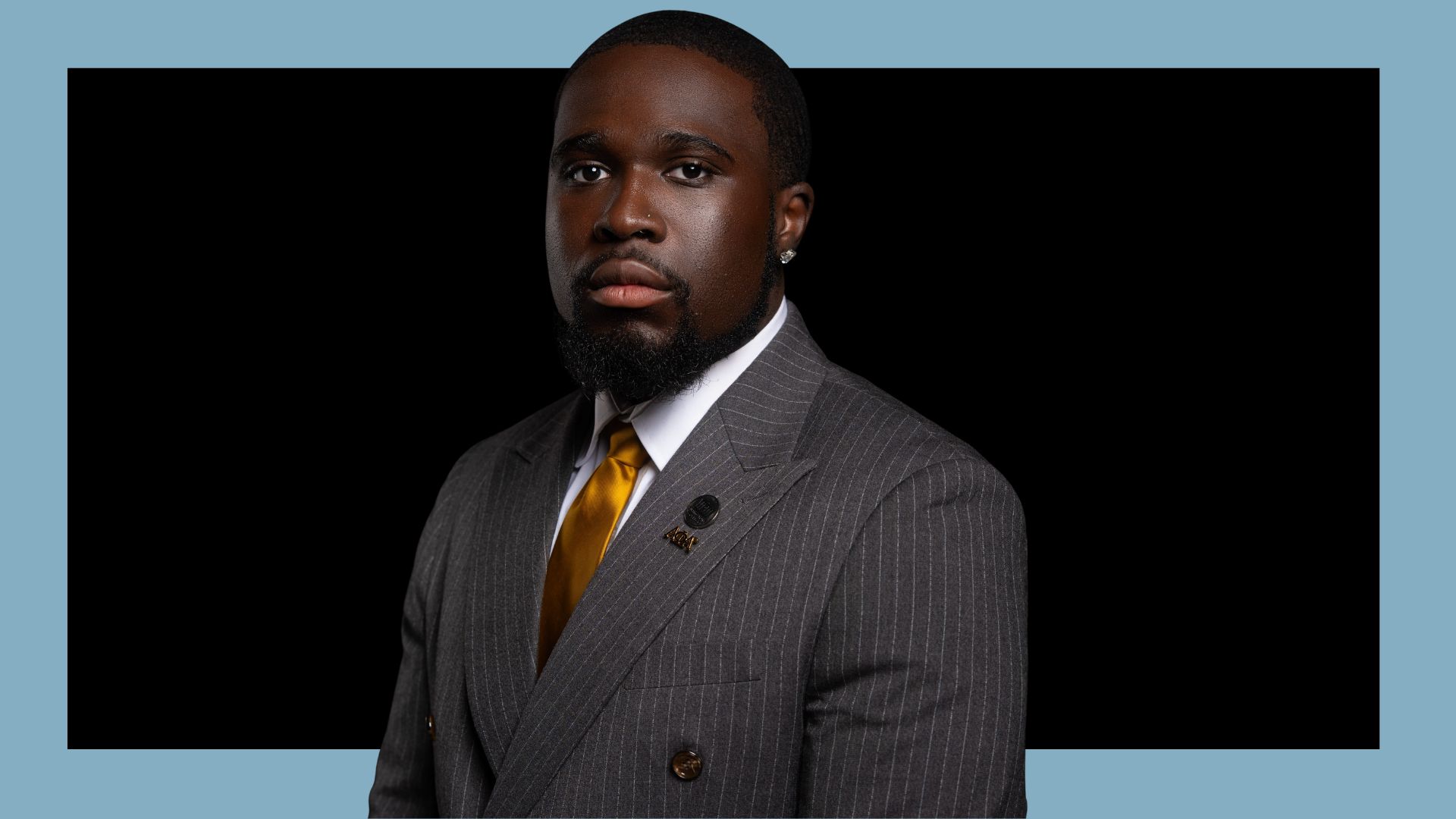
In an effort to highlight the people who are leading colleges and universities across the nation, we at Watch The Yard reached out to Livingstone College and did an interview with Jeremiah Brown Jr., the 2025–2026 Student Government Association president.
The position of student government president is a highly respected role and there is a special pride that one takes in being elected by their peers to lead. Brown, who is majoring in Business Administration, is from Durham, North Carolina, by way of Monrovia, Liberia.
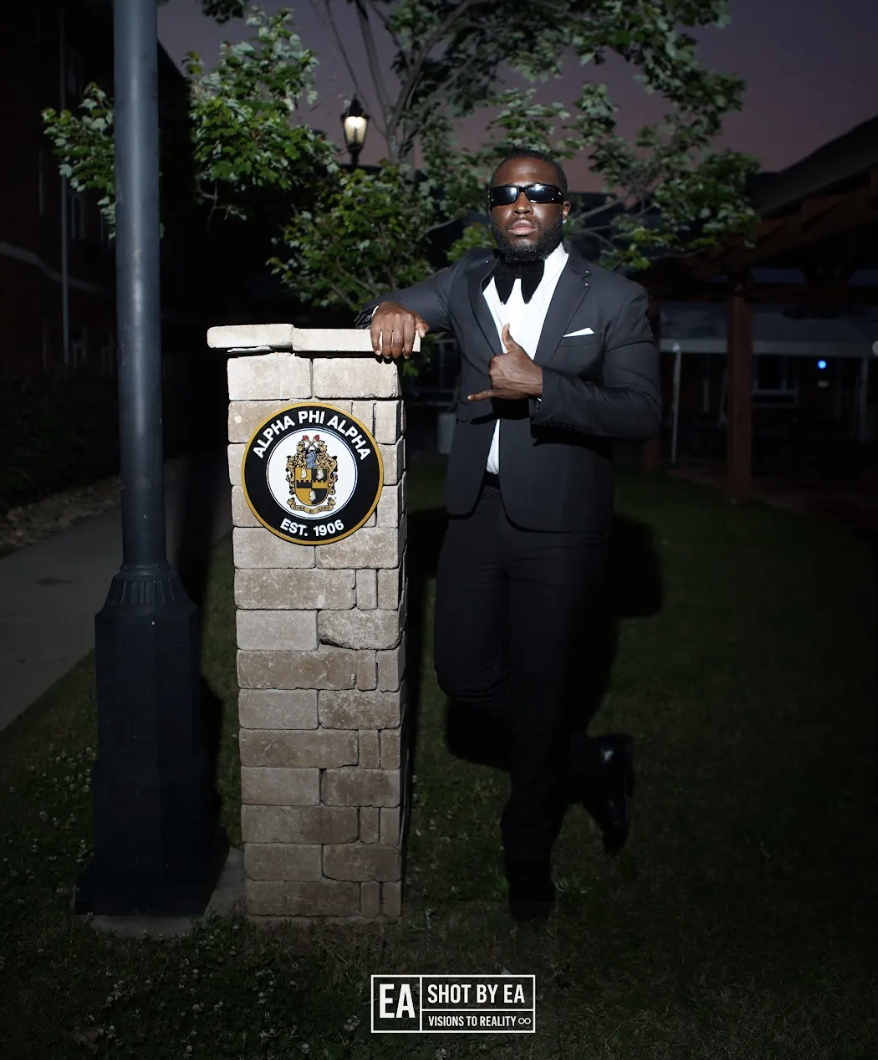
He is a proud Spring 2024 initiate of Alpha Phi Alpha.
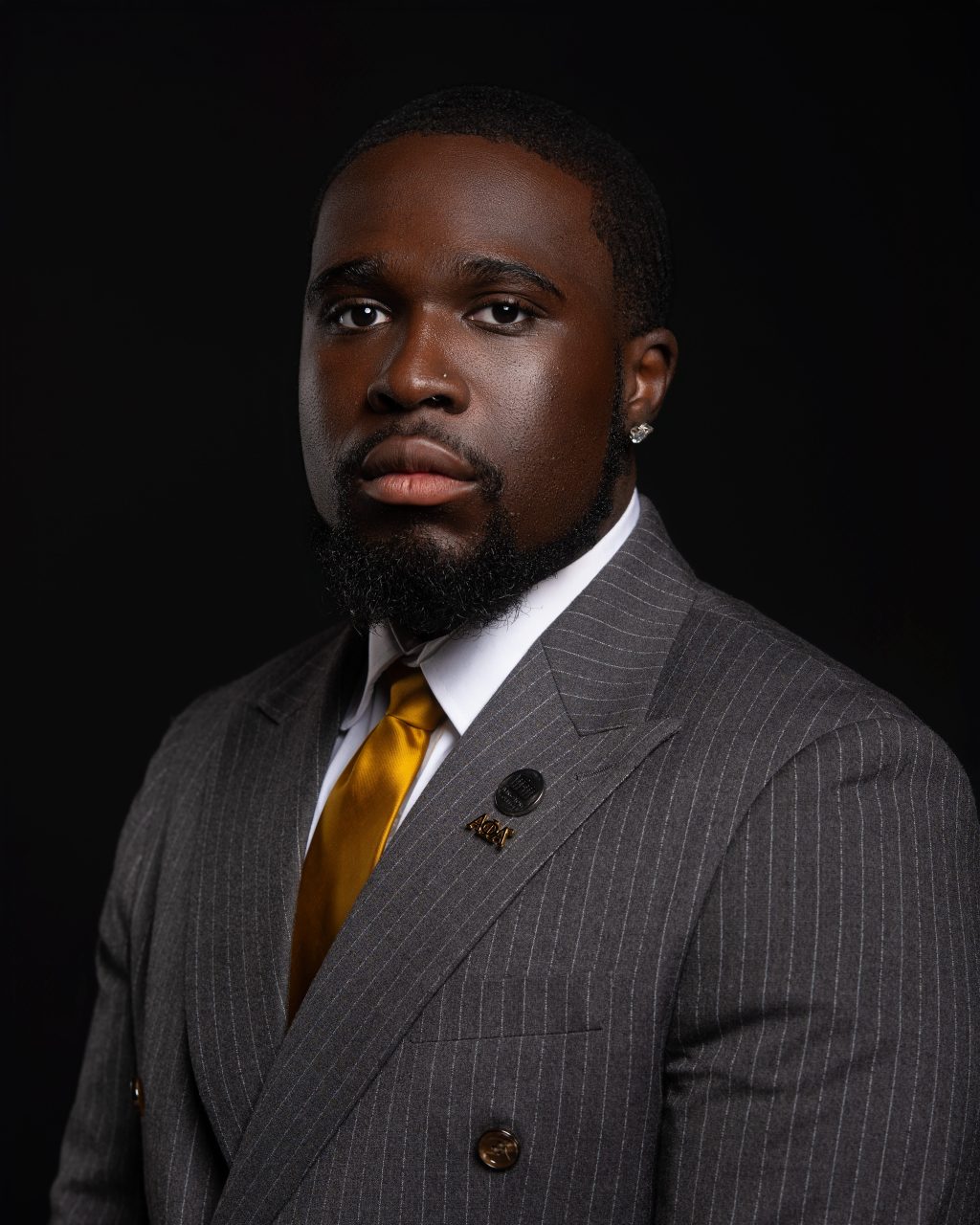
We interviewed Jeremiah Brown Jr. and talked to him about his position, goals, future and what it means to hold this type of leadership position in 2025–2026.
Read the full interview below.
What is the biggest thing you’ve learned as a student government president so far?
The biggest thing I’ve learned as an SGA President so far is that this role isn’t about me—it’s about the students. It’s about carrying people who don’t always agree with each other, but still deserve to be represented with the same respect, the same effort, and the same urgency. I’ve learned that leadership at this level requires discipline, emotional intelligence, and the ability to walk into rooms where “Jeremiah” can’t lead with personality—he has to lead with purpose.
I’m naturally expressive, passionate, and people-centered, but I’ve had to understand that in certain spaces, the mission has to speak louder than the moment. And if you can’t code-switch—if you can’t communicate effectively across different environments—you won’t be successful, because advocacy only works when people can actually hear you. That was a major shift for me.
Coming from Royal Court as Mister Sophomore (2023–2024) and Mister Junior (2024–2025), and transitioning into becoming the 97th Student Government Association President, it’s a totally different ball game. On Royal Court, you represent tradition and spirit. In SGA, you represent policy, progress, and people’s lived realities. In SGA, I’ve learned that I am each student, and I am every student—especially the ones who feel unseen.
And if there’s one lesson I keep returning to, it’s this: the only way to find your voice is to use it. Livingstone has taught me that my voice isn’t just for a microphone—it’s for meetings, for motions, for hard conversations, for real outcomes. In a biblical sense, I’ve had to learn that leadership is stewardship. If God trusted me with influence, then I owe Him impact.
What made you decide to attend Livingstone College for undergrad?
After learning that leadership is stewardship, the next question becomes: where did I learn to take responsibility seriously—where did I learn to grow into it? The answer is Livingstone College—the Miracle on Monroe Street—because Livingstone gave me a second chance and a second set of eyes.
From sixth grade through my freshman year of college, I was a track and field athlete, specializing in the throwing events. I ate, slept, and breathed track and field. I competed at the NCHSAA Track & Field Championships, the USATF National Junior Olympic Track & Field Championships, and the AAU Junior Olympic Games. I started competing at 13 years old, and my identity was deeply rooted in throws. At one point in my life, it wasn’t just what I did—it felt like who I was. Throws ran in my family, so I trained year-round: indoor in the winter, outdoor in the spring, and USATF or AAU in the summer—sometimes both.
My high school throws coach at Northern High School, Erik Browning (Livingstone College, Class of 2020), connected me with Coach Justin Davis. When I took my first official visit to Livingstone in the summer of 2022, I felt something I didn’t expect: peace. I didn’t feel like a visitor—I felt like I was home.
A lot of people asked why I didn’t choose North Carolina Central University, especially because I attended J.C. Clement Early College High School, a Cooperative Innovative High School located on NCCU’s campus. That program is academically rigorous—honors and AP courses alongside college courses—and it requires a high level of responsibility, independence, and intrinsic motivation. Growing up in Durham, NCCU made sense on paper.
But Livingstone made sense in my spirit.
What drew me to Livingstone was the community, the history, and the mission. Livingstone is not just an HBCU—it is a place that develops leaders, strengthens character, and pushes you toward purpose. The small class sizes, hands-on learning, and the way faculty, staff, and senior administration genuinely pour into students stood out to me immediately.
And as a man of God, I was also inspired by Livingstone’s foundation. Livingstone was founded as the Zion Wesley Institute by A.M.E. Zion ministers—meaning faith and education have always walked together here. Livingstone didn’t just offer me an education; it offered me belonging, direction, and the opportunity to become the best version of myself.
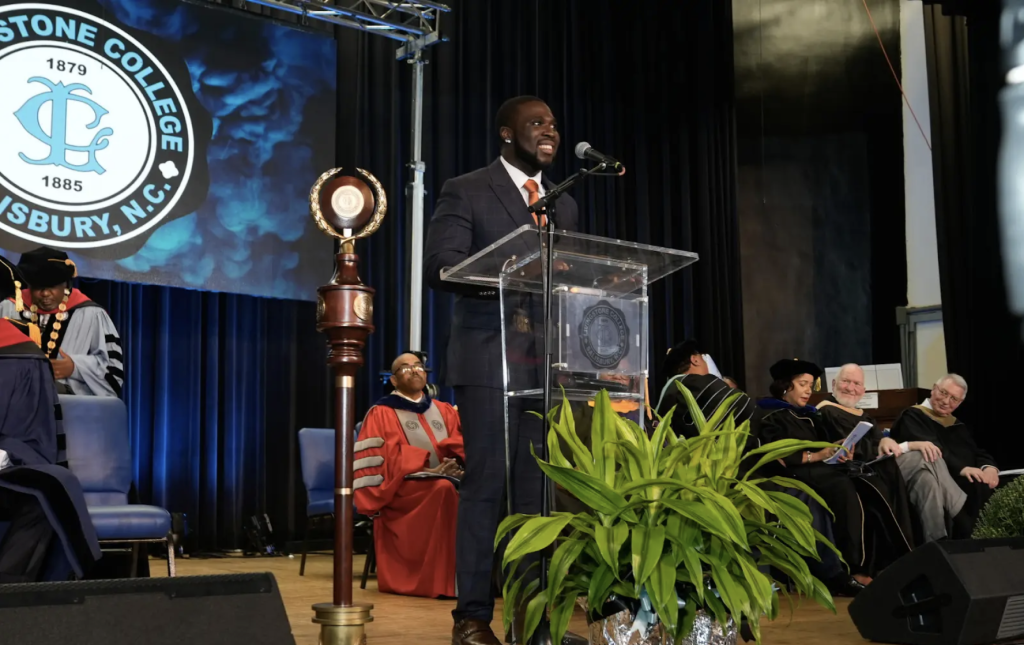
How has Livingstone College molded you into the person you are today?
Livingstone didn’t just give me a second chance—it taught me what to do with it. Livingstone has molded me through the power of servant-leadership, and that lesson has become the backbone of who I am.
Our 13th President, Dr. Anthony J. Davis—President 13—often says he operates by one notion: “If service is beneath you, leadership is beyond you.” That quote changed the way I see leadership. It taught me that leadership is not a crown you wear—it’s a cross you carry. Because heavy is the head that wears the crown, but even heavier is the heart that truly cares for people.
President 13 also emphasizes that he has been entrusted not only to lead, but to serve—and Livingstone has taught me to lead the same way. If you ever struggle with being willing to serve a greater good and another human being, then you should reconsider any desire you have to become a leader. Titles look good, but responsibility is what makes you worthy of the title.
This is also why I recommend Simon Sinek’s writing on servant leadership. One of the lines that hits me every time is: “Leadership is not about being in charge. Leadership is about taking care of those in your charge.” That truth aligns with what we learn here: leadership is protection, sacrifice, and consistency. It’s not about occasional gestures; it’s about daily decisions that prove people matter.
On a personal level, Livingstone molded me by helping me rebuild my identity. When I hung up my throwing shoes during my freshman year and let go of the sport that once defined me, I had to discover who I was without it. That was hard—because when you’ve been “the athlete” for most of your life, you don’t just lose a sport; you lose a mirror. But Livingstone gave me a new mirror: service.
That’s when I stepped into servant leadership, ran for Mister Sophomore, and started building the legacy of service I plan to leave at Livingstone. And I truly believe President 13’s story strengthened that journey for me. He is a living testimony—turning adversity into achievement, from his early experience in foster care to becoming President of a higher education institution. His life lessons on integrity, faith, and education remind me that God can pull purpose out of any circumstance.
Livingstone molded me into a leader who believes in people, stands on principle, and moves with faith. It taught me that my influence is not mine to keep—it’s mine to invest. And in the spirit of Livingstone’s roots and the Word that grounds us: if God can strengthen me, then my life must mean something to somebody else.
What specific initiatives have you headed up this year (or are planning) and how do you think they will improve the school and surrounding community?
This year, my administration—the Brown–Simon Administration, also known as the S.E.R.V.I.N. Administration (Serving Everybody, Reinforcing Voices, and Inspiring Networks)—has been intentional about building a student government that feels reachable, visible, and accountable.
One of the most significant initiatives we’ve headed up this semester was an SGA Town Hall built by students, for students—a space designed to do more than just “talk,” but to listen in public and respond with clarity. We wanted students to see, in real time, that their concerns don’t have to live in group chats or hallway conversations—they can be brought into a formal space where student voices are respected, documented, and acted on. That Town Hall was our way of stepping into a new and improved Livingstone College under the S.E.R.V.I.N. Administration, returning SGA to what it should be and has always been: the standard-bearer for student advocacy and student life.
We also made a major announcement that speaks directly to accessibility and trust: bringing back SGA office hours. With our renovated office set to be open to the general student body in Spring 2026, we’re creating a consistent, structured way for students to be heard—without having to “know the right person” or wait for the right moment. Office hours will strengthen transparency, improve communication, and make it easier to connect students to resources and solutions. And even though that timeline will extend beyond my term as I graduate in May 2026, I’m proud of that—because it reinforces the biggest principle I live by in this role: this presidency isn’t about me; it’s about us.
Ultimately, these initiatives improve the campus and surrounding community by strengthening the culture of service, voice, and connection. When students feel heard, they show up better—in the classroom, in leadership, and in the community beyond Monroe Street. S.E.R.V.I.N. isn’t just a slogan to me—it’s a commitment to building systems that outlast a single term and leave Livingstone stronger than we found it.
How is your student government administration/school currently working on attending to the mental health of students?
Mental health has been a major priority for our campus, because we can’t talk about student success without also talking about student well-being. Livingstone is one of only two HBCUs nationwide to receive the 2025 Excellence in Mental Health and Well-Being Award from Insight Into Academia, recognizing institutions that commit to campus-wide integration of mental health initiatives—covering accessible services, peer support, emotional resilience, and proactive policy.
From the SGA side, my administration supports this work by partnering directly with Dr. Jacqueline Davis, Livingstone’s First Lady and well-being coordinator of the Mental Health Task Force, which is an extension of the college’s counseling services. The Task Force is intentionally built as a collaborative effort of staff, faculty, and students, with a mission to promote mental health and well-being across the Livingstone community. One of the biggest goals is engaging students at a leadership level by creating programs that are not only designed for students, but by students. That aligns with the culture we push as student leaders: to be resilient, to be relevant, and to be ready—because President Davis’s vision is for Livingstone to be healthy and whole, physically and mentally.
In practice, that looks like intentional, student-centered programming that reduces stigma, strengthens emotional resilience, and makes it easier for students to access support without feeling judged or isolated. It also means committing to culturally responsive mental health initiatives that reinforce belonging—so mental health isn’t treated like a crisis-only conversation, but a consistent part of how we build a stronger campus.
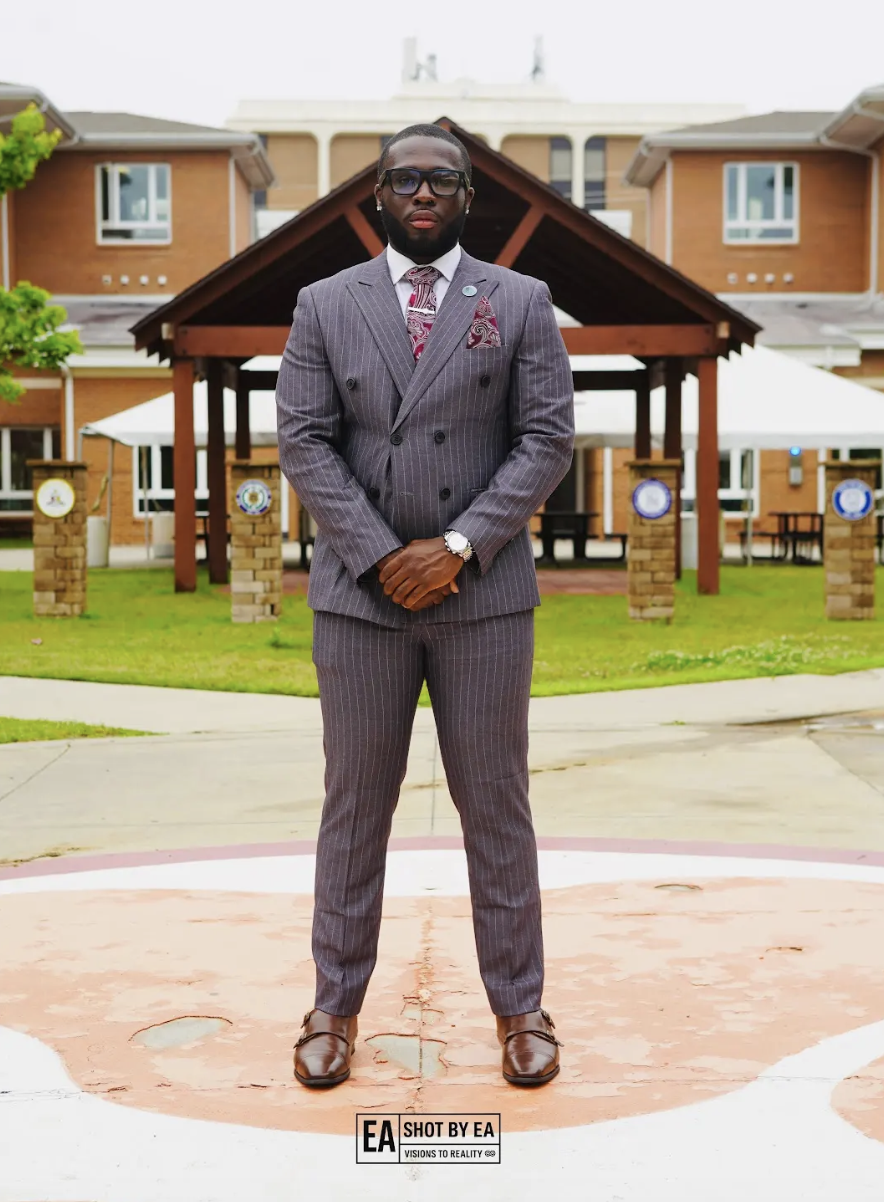
What does leadership mean to you?
Leadership, to me, is stewardship of what does not belong to you.
It is the sacred responsibility of holding other people’s hopes with clean hands. It is the discipline to represent voices that may never clap for you, may never vote for you, may never even know your name—yet still deserve your best work. Leadership is not the art of being seen; it is the conviction to serve when no one is watching, and the courage to speak when silence would be easier. I’ve learned that leadership is often a holy kind of loneliness—you will sit in rooms where you cannot be fully “you,” because the mission is bigger than your mood. And you learn to code-switch not to perform, but to translate—so the needs of students can move through the right channels and reach the right tables. You don’t shrink; you sharpen.
I often think about Socrates—how he pushed people not to accept comfortable answers, but to interrogate the truth underneath them. That’s what leadership demands from me: a life examined on purpose. Not “How do I look?” but “Who am I becoming?” Not “What do I want?” but “What do they need?” Not “What can I gain?” but “What can I build that will outlive me?” Because the moment leadership becomes self-worship, it stops being leadership and becomes performance. And Livingstone did not raise me to perform. Livingstone raised me to produce fruit.
Biblically, the clearest picture of leadership I know is Jesus with a towel. Before crowns and choirs, there was washing feet. Before resurrection power, there was servant posture. That image corrects me every time: leadership is not about elevation; it is about lowering yourself on purpose for the good of others. It is choosing to be a bridge when it would be easier to be a billboard. It is absorbing pressure so the people you serve can breathe.
Leadership is also legacy—but not the kind made of titles. The kind made of systems. The kind made of culture. The kind that keeps working after you graduate. I want my leadership to be the type where, years from now, a student who never met me still benefits from something I helped put in place. Because to me, the highest form of leadership is not being remembered; it’s making it easier for someone else to rise.
So if I had to define it plainly: leadership is service with a spine, love with structure, and faith with action. It is the decision to do all the good you can—by all the means you can—because you truly believe God did not strengthen you for comfort; He strengthened you for contribution.
We now live in a digital world, what do you think schools need to do to represent themselves online in 2025–2026?
In 2025–2026, schools have to understand that the internet is not “extra”—it is the front door. For many students, families, alumni, donors, and future partners, your online presence is their first campus visit. So representing yourself well online is no longer about simply posting flyers; it’s about telling the truth of who you are with consistency, excellence, and intention.
First, schools need a clear digital identity—one voice, one standard, one message. That means branding that is professional, consistent, and recognizable across every platform, from the website to Instagram to LinkedIn. Students should be able to look at a school’s page and immediately understand the culture, the values, and the opportunities. If the on-campus experience is excellent, the digital presence should reflect that same excellence.
Second, schools must center student stories, not just announcements. People connect with people. A strong digital presence should highlight real outcomes: internships, graduate placements, research, student entrepreneurship, service work, athletics, and day-to-day student life. When you consistently spotlight students and the work being done, you build trust—and you give prospective students a reason to believe they belong.
Third, schools have to communicate like institutions that care. That means being responsive, transparent, and timely. If students are asking questions online, they deserve answers. If something changes, it should be communicated clearly. Digital communication should reduce confusion, not create it.
Finally, schools have to treat digital representation as leadership. In a world where perception travels faster than facts, institutions must be proactive—showing the community, the achievements, the resources, and the mission in a way that is culturally authentic and forward-thinking. In 2025–2026, the schools that will stand out are the ones that don’t just post content—they build community, protect their reputation, and tell their story with purpose.
Why do you think Watch The Yard is important to Black students and college culture?
Watch The Yard is important because it does something many platforms have never consistently done for us: it documents Black college life with respect, accuracy, and pride—while letting Black students control the narrative of our own excellence.
For Black students, visibility is not just about being seen; it’s about being understood. Watch The Yard highlights the full picture of our experience—the leadership, the scholarship, the service, the joy, the culture, the discipline, and the legacy. It captures moments that matter to us, and it treats them like they matter to the world too. That validation is powerful, especially in a time when people often reduce HBCUs to a stereotype instead of recognizing them as institutions that produce leaders and change-makers.
For college culture, especially within the Divine Nine and broader HBCU community, Watch The Yard is also an archive. It preserves history in real time. Years from now, students will be able to look back and see who was building, who was serving, and what our campuses stood for in this era. That kind of documentation protects tradition and honors the work behind the scenes—not just the highlight moments.
Most importantly, Watch The Yard sets a standard. It celebrates excellence while also encouraging campuses to be excellent. It pushes us to represent ourselves with pride and professionalism, and it reminds Black students everywhere that our stories are worth telling—and worth telling the right way.
What do you plan on doing after graduation?
After graduation, I plan to earn my Master of Business Administration and then pursue law school at one of the six ABA-accredited HBCU law schools. My long-term goal is to become an entertainment lawyer, working at the intersection of business, culture, and creative ownership—helping artists, athletes, and entrepreneurs protect their work, negotiate with confidence, and build lasting legacy through smart contracts and sound strategy.
We at Watch The Yard would like to commend Jeremiah Brown Jr. for his work as the student government president of Livingstone College.
Photo Credits:
Christopher Cooper – @cooppixxs (Headshot.)
Livingstone College Multimedia – @livingstonecollege (Installation Pictures.)
Elijah Fuller – @shotby.ea (NASAP Pictures.)


 Sigmas6 days ago
Phi Beta Sigma’s Victor Glover Set to Make History as First Black Astronaut to Reach the Moon
 Leadership Highlight1 week ago
Leadership Highlight: Lincoln University of Pennsylvania’s Student Government President Nathan Hargrove

 AKAs7 days ago
Leadership Highlight: Johnson C. Smith University ‘s Student Government President Isabella Gonce