


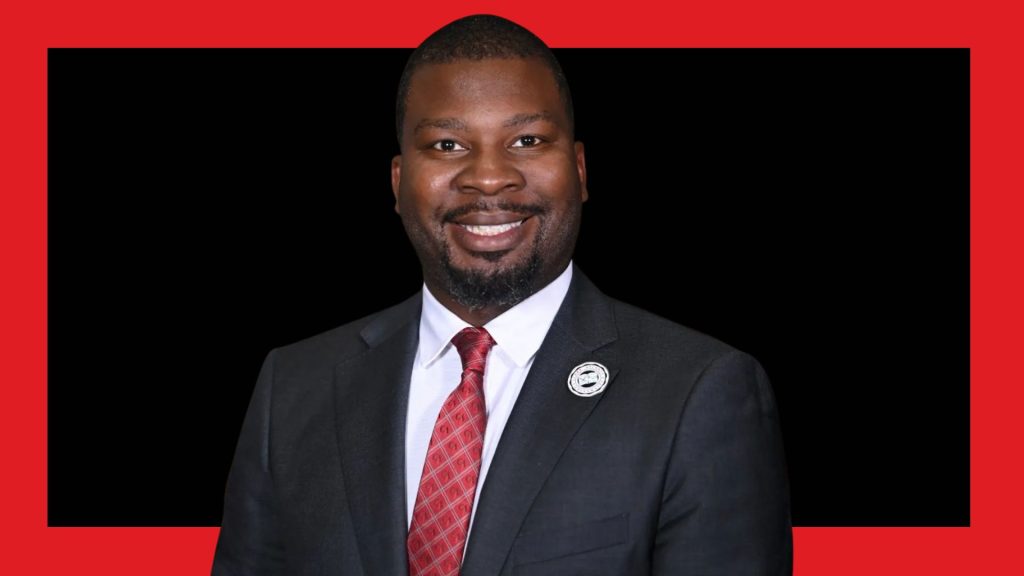
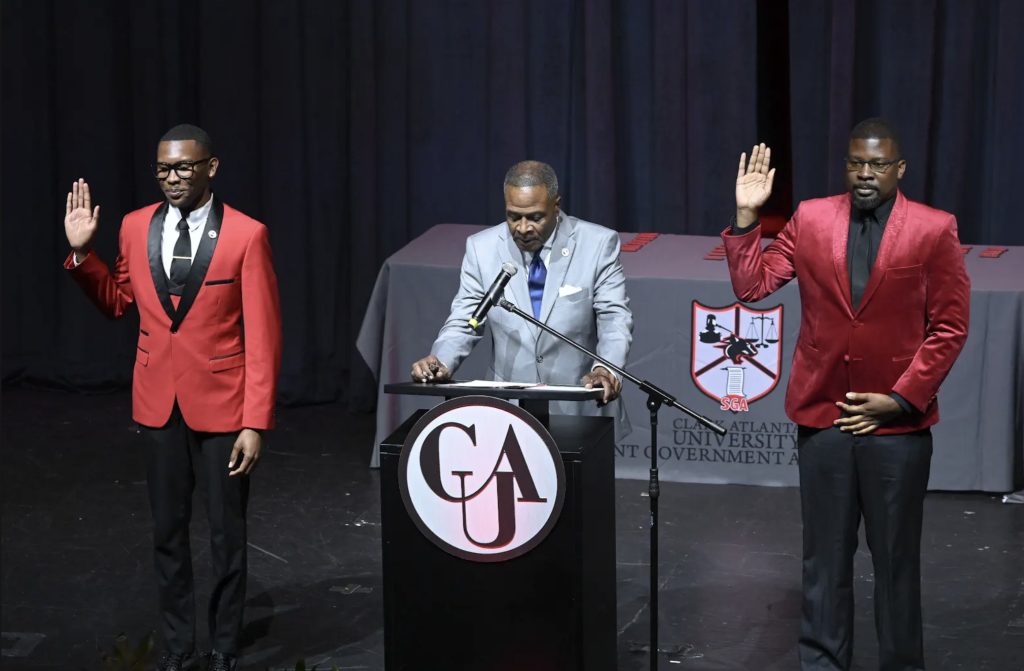
In an effort to highlight the people who are leading colleges and universities across the nation, we at Watch The Yard reached out to Clark Atlanta University and did an interview with Jorvis McGee, the 2025–2026 Graduate Student Government Association president.
The position of student government president is a highly respected role and there is a special pride that one takes in being elected by their peers to lead. Jorvis McGee, who is majoring in Doctoral Candidate – Higher Education Leadership, is from Bryan – College Station, TX.

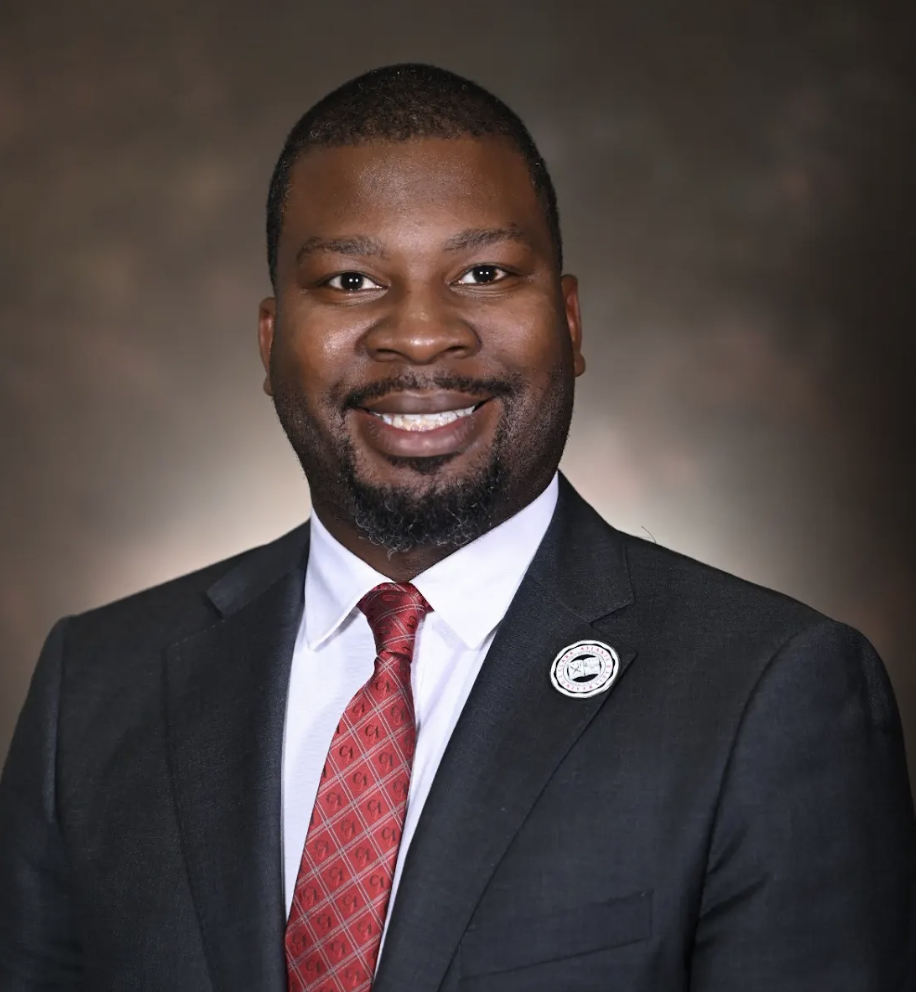
We interviewed Jorvis McGee and talked to him about his position, goals, future and what it means to hold this type of leadership position in 2025–2026.
Read the full interview below.
What is the biggest thing you’ve learned as a graduate student government president so far?
The biggest lesson I’ve learned as a two-term Graduate SGA president is that effective leadership requires both perspective and preparation. I do not approach this role solely as a student leader. I come with years of professional experience in higher education, alumni engagement, and student development, which shapes how I navigate systems and advocate for students. That background has taught me how decisions are made and where students often get left out. Leadership at this level requires credibility, consistency, and the ability to translate student concerns into actionable solutions.
What made you decide to attend Clark Atlanta University for grad school?
As a first-generation college student who attended Texas A&M University–Kingsville, a Hispanic-Serving Institution in South Texas, education has always been my gateway to the world. I was raised on the belief that you should build the world you want to see, and for me, college has always been that starting point. That philosophy ultimately led me to Clark Atlanta University. CAU’s motto spoke directly to my journey, and being accepted into the doctoral program affirmed that this was the right place for me to grow, lead, and succeed within the enduring legacy of an HBCU.

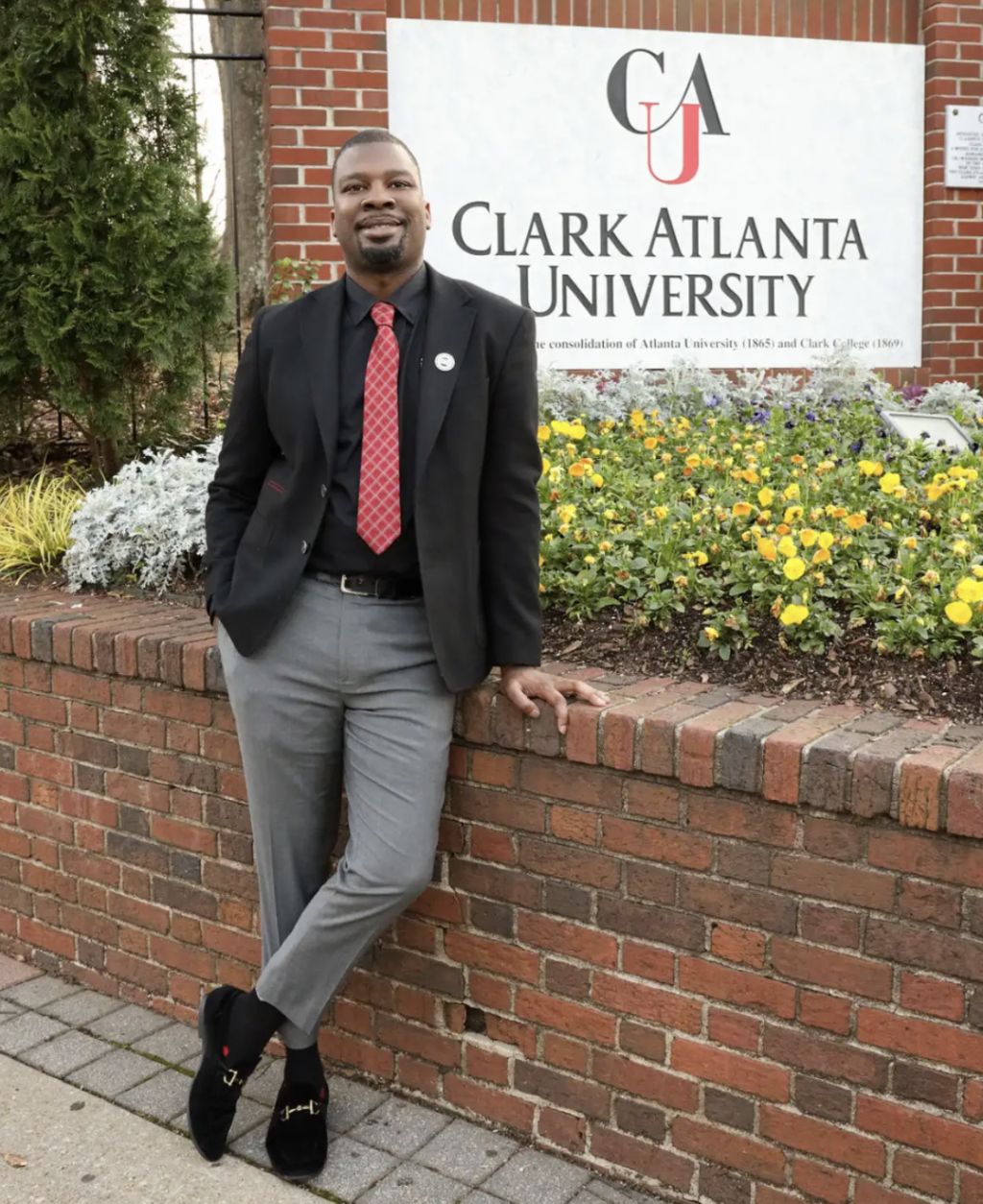
How has Clark Atlanta University molded you into the person you are today?
Clark Atlanta University has sharpened my leadership by allowing me to operate at the intersection of scholarship and practice. As someone who has already worked professionally in higher education, CAU has given me the space to deepen my understanding of policy, organizational culture, and student advocacy within an HBCU context. The institution has challenged me to think more critically and lead more intentionally. CAU has reinforced that leadership is not about title, but about responsibility, stewardship, and impact.
What specific initiatives have you headed up this year (or are planning) and how do you think they will improve the school and surrounding community?
My work this year has focused on building sustainable structures and traditions rather than one-time programs. I have supported and helped grow the CAU Day of Service, an initiative designed to bring students, faculty, and staff together each spring to serve the surrounding community and strengthen a shared commitment to civic responsibility. I have also led the institutionalization of A Day of Racial Healing, which is now recognized as an official SGA event and creates intentional space for dialogue, reflection, and community accountability. In addition, I have continued the second annual evening honoring the graduating class, an intentional space created to celebrate scholars and affirm their academic journey, which holds special meaning this year as it honors the Class of 2026. I also advocated for eliminating additional homecoming-related fees tied to student programming, which was the first time in a long time that this had occurred, ensuring campus-wide traditions remained accessible to all students. Alongside this work, I have strengthened graduate student representation to ensure student voices are consistently reflected in institutional decision-making.

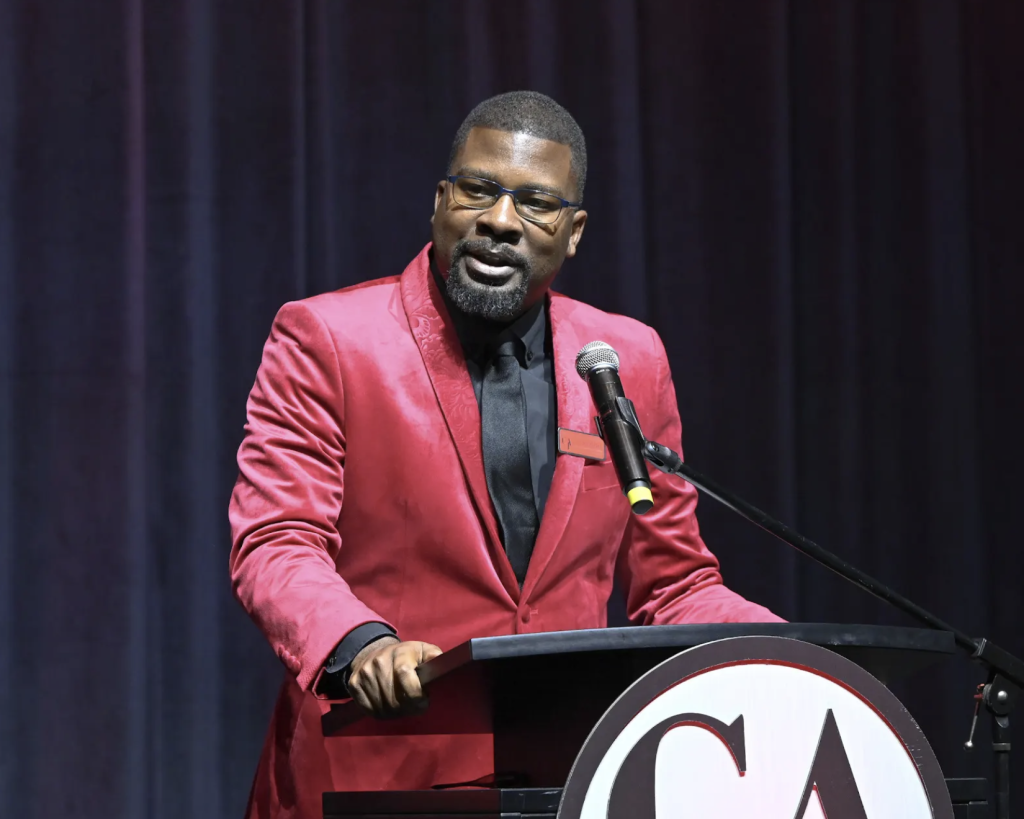
How is your student government administration/school currently working on attending to the mental health of students?
Our SGA administration approaches mental health as both a personal and institutional responsibility. I consistently emphasize that when mental health conversations arise, everyone—trustees, administration, faculty, staff, and students—must be serious about the work. Mental health cannot be treated as a compliance requirement or a checkbox initiative. We are currently in our fourth annual You Good? Mental Health Summit, and each year the goal is to shift the mindset from attending out of obligation to engaging so students can recognize the signs in themselves and their peers and understand how to seek or recommend support. Moving forward, we must continue to find ways to more intentionally include faculty and staff, including encouraging faculty members to bring their classes to the Mental Health Summit so the message extends beyond co-curricular spaces in a “reach one, teach one” approach. That level of integration is possible when institutional leaders reinforce the importance of wellness, and having support from leaders like Provost Gilbert helps elevate mental health as a shared academic and community priority. These conversations are not always comfortable, but they are necessary, healthy, and critical to building a campus culture rooted in care, awareness, and accountability.
What does leadership mean to you?
Leadership has always been my trigger word in the best way. When I was searching for my first organization as an undergraduate, I knew I wanted to be part of something rooted in leadership, even though I was still discovering what leadership looked like for me. I always knew I wanted to lead; I just did not yet know in what capacity. Over time, that curiosity evolved into clarity. Leadership, to me, is the ability to move seamlessly between vision and execution. I am not a traditional SGA president. I lead with the perspective of someone who has worked professionally in higher education, served in executive roles such as Vice President of an Alumni Association, and consulted with fraternity and sorority life offices across diverse institutions. Leadership requires an understanding of systems, budgets, policies, and people, and at its core, true leadership is about accountability and building structures that outlast your term.
We now live in a digital world, what do you think schools need to do to represent themselves online in 2025–2026?
In a digital-first world, institutions have an opportunity to better align their online presence with the energy and engagement that exists on campus. In 2025–2026, schools should focus on telling authentic student stories, highlighting involvement opportunities, and making information easy to access and navigate. Campus engagement and involvement offices should have clear landing pages that help students understand how to get connected beyond the classroom. When done well, a university’s digital presence can serve as a bridge between prospective students, current students, and alumni while accurately reflecting campus culture and values. Strengthening this alignment allows institutions to use digital spaces as tools for connection, access, and transparency.

Why do you think Watch The Yard is important to Black students and college culture?
Watch The Yard is important because it not only centers Black student voices and culture, but it also has the potential to serve as a connector across institutions, organizations, and generations. Beyond storytelling, there is an opportunity for Watch The Yard to partner more intentionally with national conferences and convenings such as UNCF UNITE and the American Fraternity Association to amplify leadership development, access, and collective impact. There is also space to explore creative engagement such as a homecoming tour that highlights institutional pride while encouraging friendly competition around alumni giving back to their schools. As John Hope Bryant often reminds us, Black communities collectively command more than a trillion dollars in annual buying power, yet too little of that investment consistently circulates back into our own institutions. Watch The Yard is uniquely positioned to help shift that narrative by celebrating culture while also encouraging intentional reinvestment in the places that shaped us.
What do you plan on doing after graduation?
After graduation, I plan to continue working in higher education and education policy with a focus on student success, leadership development, and institutional transformation. I intend to use my doctoral training and professional experience to bridge research and practice by influencing policy, programming, and organizational culture at both the institutional and national levels. As I approach graduation, I am open to relocation and new professional opportunities, and I welcome conversations with institutions and organizations seeking experienced, student-centered leadership. My long-term goal is to remain committed to service-driven work that creates sustainable impact for students and communities.
We at Watch The Yard would like to commend Jorvis McGee for his work as the graduate student government president of Clark Atlanta University .