


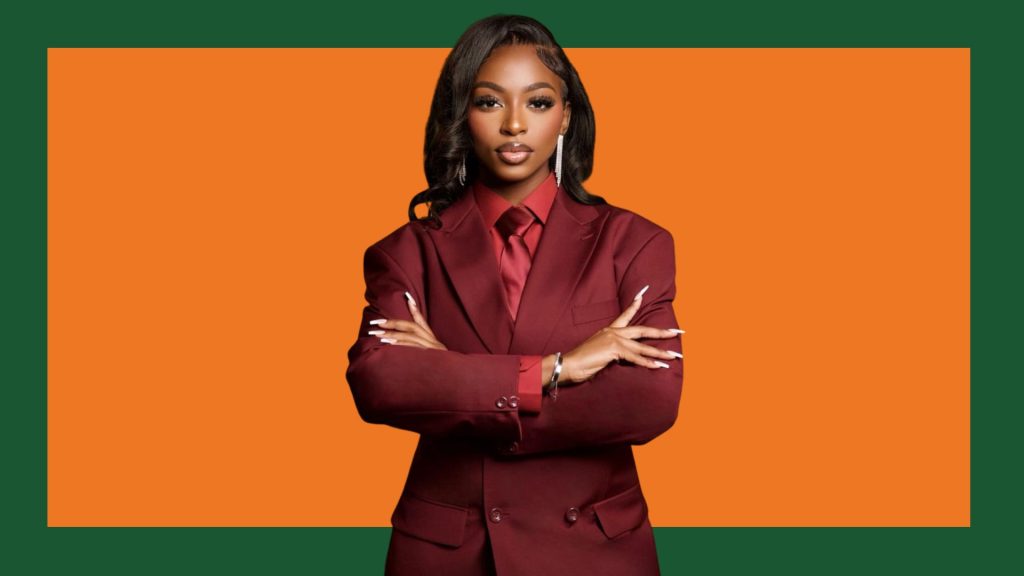
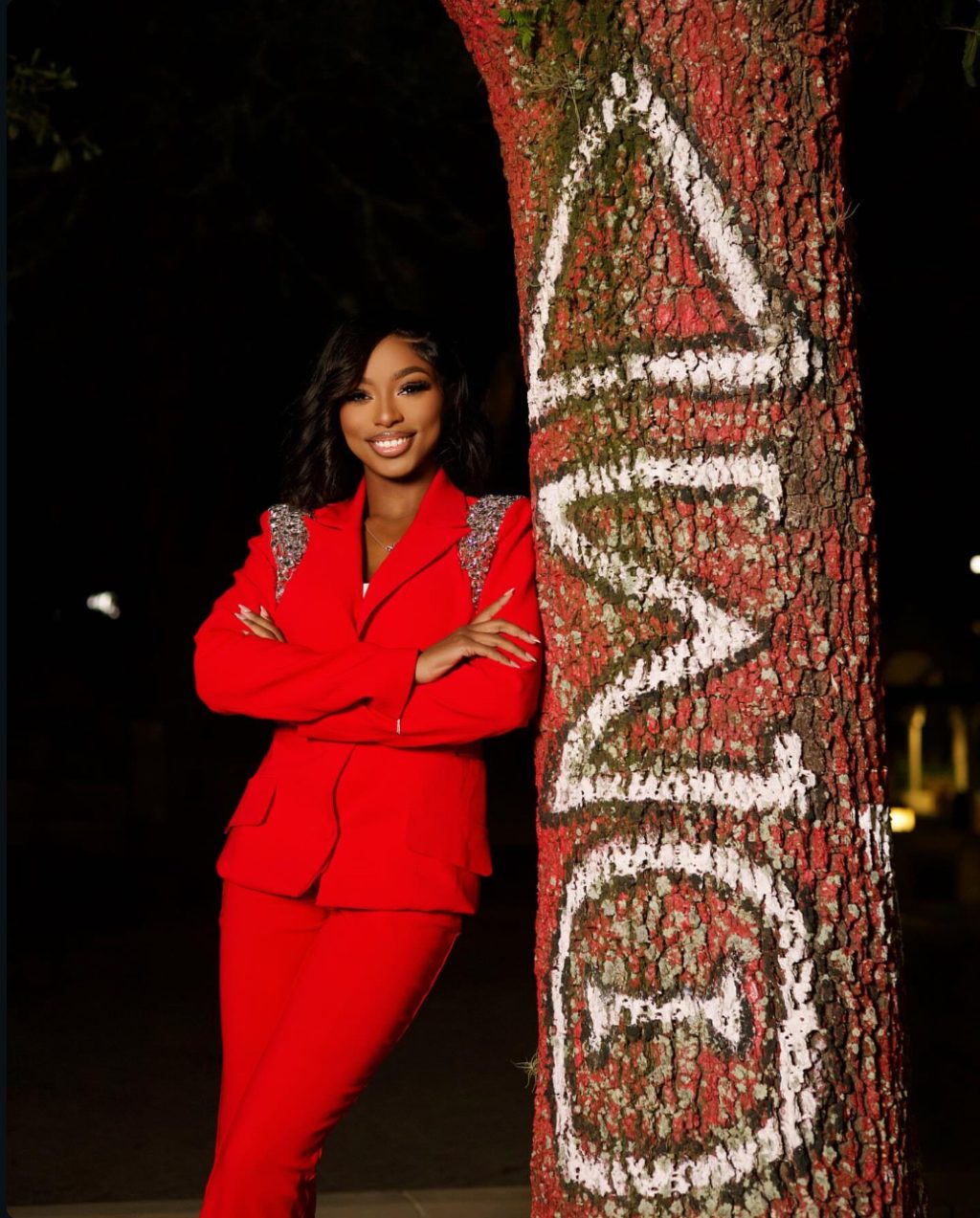
In an effort to highlight the people who are leading colleges and universities across the nation, we at Watch The Yard reached out to Florida A&M University and did an interview with Zayla Bryant, the 2025–2026 Student Government Association president.
The position of student government president is a highly respected role and there is a special pride that one takes in being elected by their peers to lead. Zayla Bryant, who is majoring in Business Administration, is from Lithonia, GA.
She is a proud Spring 2024 initiate of Delta Sigma Theta.

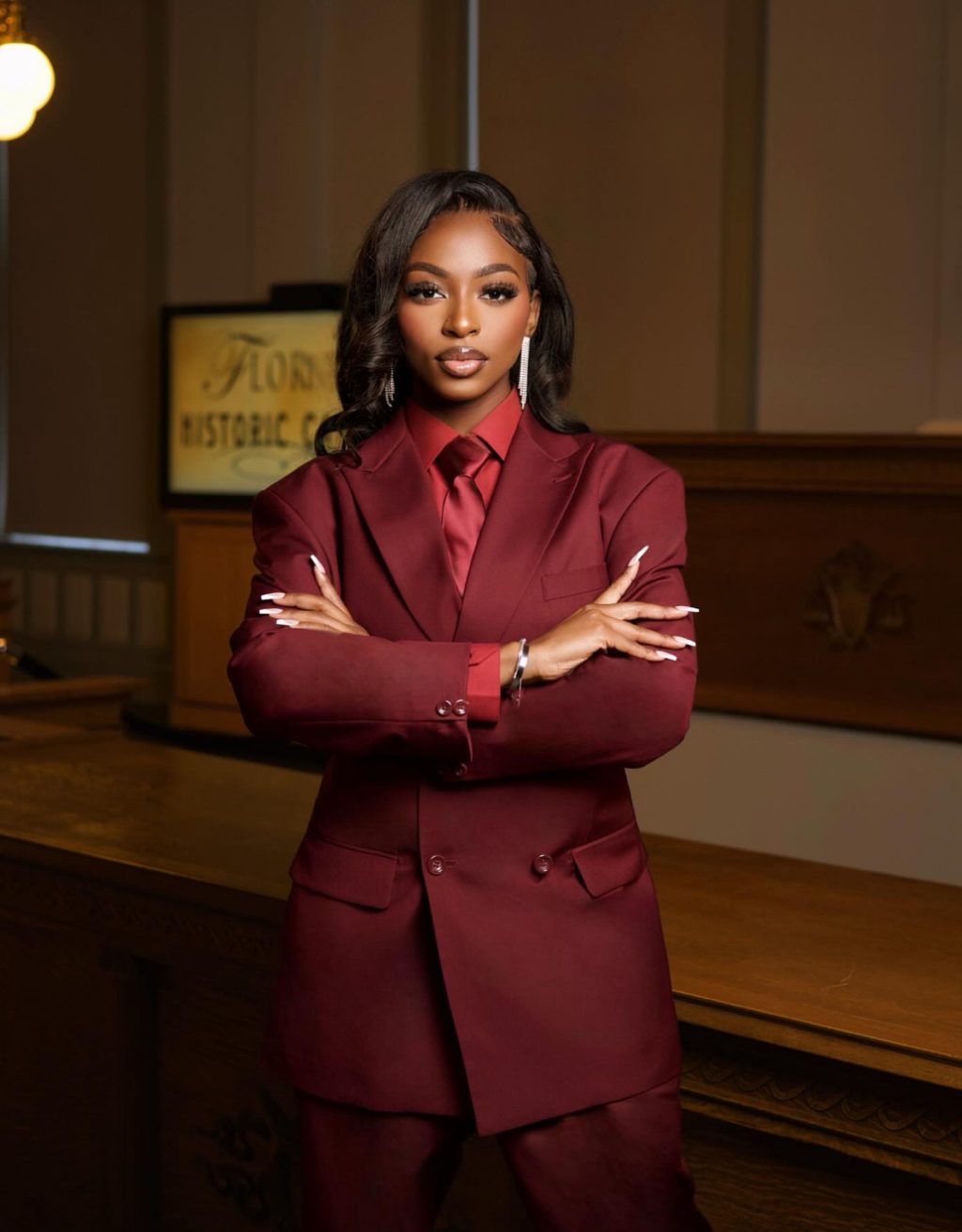
We interviewed Zayla Bryant and talked to her about her position, goals, future and what it means to hold this type of leadership position in 2025–2026.
Read the full interview below.
What is the biggest thing you’ve learned as a student government president so far?
The biggest thing I’ve learned as SGA President is how much fortitude and emotional maturity leadership really takes, especially when things don’t go the way you hoped. I’ve had to learn how to sit with uncomfortable outcomes, manage my reactions, and still show up steady for everyone else.
I’ve also learned when it’s necessary to lead with my head instead of my heart. In this role, people are always watching, both the student body and the team of over 100 student leaders I’m responsible for guiding. Knowing that others rely on my judgment has pushed me to be more intentional, measured, and self-aware in how I lead.

What made you decide to attend Florida A&M University for undergrad?
I chose to attend Florida A&M University because, in many ways, the idea of FAMU helped shape who I believed I could become long before I ever stepped foot on campus. When I was in third grade, my best friend’s father told me he was the man he was that day: confident, grounded, and unapologetically himself because of FAMU. He was unlike any man I had ever seen before, and that stayed with me.
Hearing that planted something in me early on. I wanted that same sense of purpose, that same confidence, that same feeling of somebodiness for myself. Over the years, that desire never faded. Now, being able to walk the highest of the Seven Hills alongside my best friend feels full-circle. FAMU didn’t just give me an education. It gave me space to grow into the person I once hoped I could be.
How has Florida A&M University molded you into the person you are today?
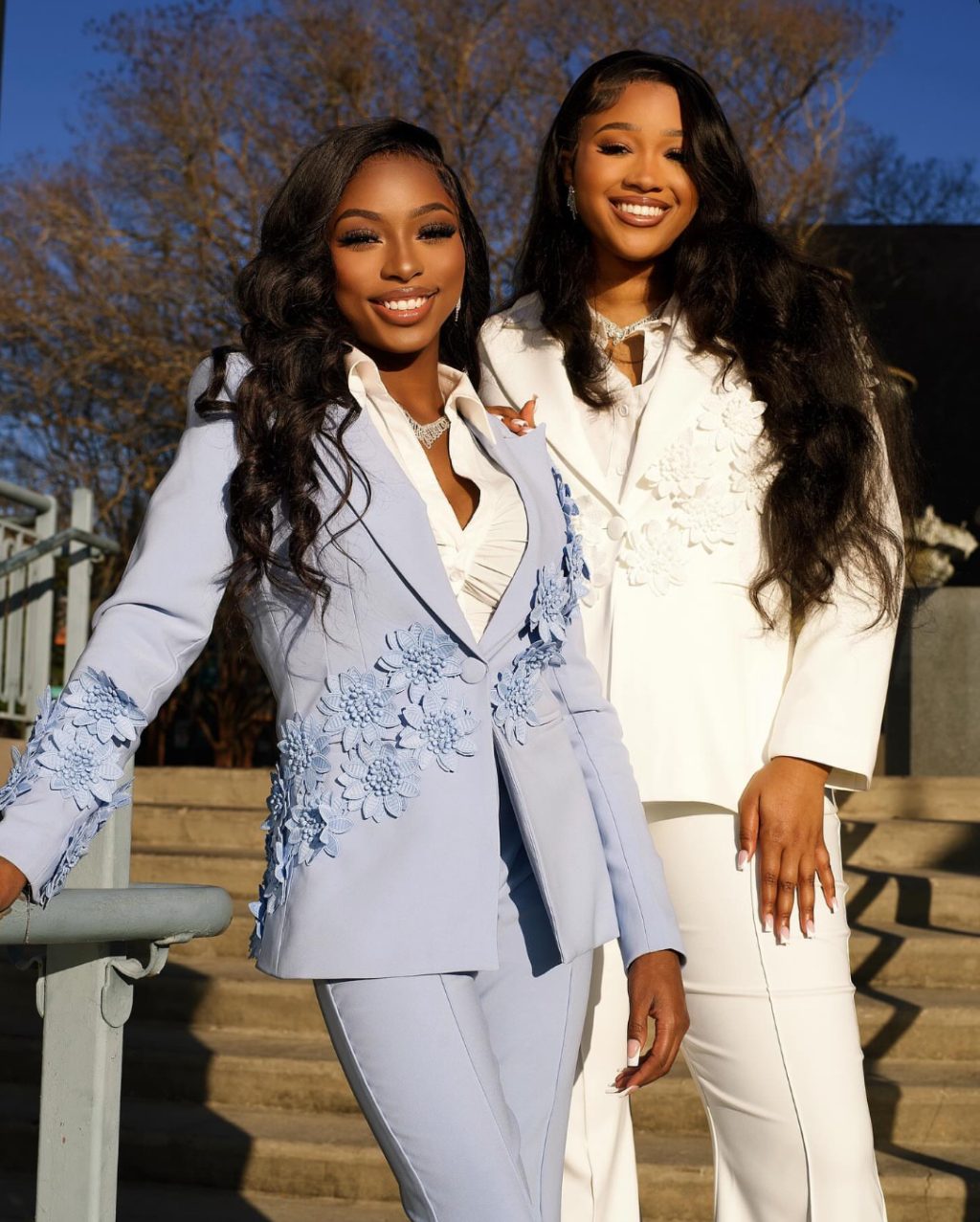
Florida A&M University has molded me by teaching me who I am and who I am capable of becoming. Being at FAMU affirmed my sense of self in ways I didn’t even know I was searching for. It pushed me to walk with confidence, speak with intention, and carry myself with purpose in spaces that weren’t always built with me in mind. That is how my Vice President and I were able to make history as the first ever Women led duo in Florida A&M University’s history.
FAMU taught me resilience and responsibility. Not just through academics, but through community. I learned how to lead, how to listen, and how to stand firm in my values while still extending grace. Being surrounded by excellence, history, and people who look like me showed me that leadership doesn’t require shrinking or assimilation. I learned that I deserve to take up space.
An unexpected gift FAMU gave me was a deeper love for the complexion of my skin and a fuller appreciation of the beauty and power of my femininity. In an environment that celebrates Black excellence in all its forms, I learned to see myself not through comparison or limitation, but through pride, confidence, and self-respect. The person I am today carries FAMU in how I show up, how I lead, and how I envision my future.

What specific initiatives have you headed up this year (or are planning) and how do you think they will improve the school and surrounding community?
This year, I’ve been intentional about leading initiatives that focus on inclusion, access, and long-term student success. One of the first things I prioritized was expanding the freshman pinning ceremony to be inclusive of all incoming students. That moment is powerful, and I wanted every new Rattler, regardless of background or pathway, to feel seen, welcomed, and officially part of the FAMU family from day one.
I’ve also pushed for increased political engagement on campus by creating spaces that go beyond awareness and actually prepare students for civil discourse. Through events that encourage respectful dialogue and direct interaction with local government officials, students are able to better understand how policy impacts their lives while feeling empowered to engage thoughtfully and confidently in civic spaces.
Inclusion has been a consistent focus of my leadership, especially for transfer students who often feel overlooked during their transition. Alongside that, I’ve worked to elevate the visibility and accessibility of mental health resources, emphasizing that student well-being is essential to academic and personal success.
In my role on the Board of Trustees, I’ve also advocated for greater transparency around academic requirements and more streamlined collegiate pathways. The goal is to help our Rattlers navigate their degrees more efficiently, reduce unnecessary barriers, and ultimately ensure more students are graduating in four years or less. Together, these efforts are about building a campus culture where students feel supported, informed, and equipped to succeed both during their time at FAMU and beyond.
How is your student government administration/school currently working on attending to the mental health of students?
Me and my Vice President, Kennedy Williams, have been very intentional about prioritizing student mental health, especially in the wake of recent tragedies on our campus. During moments of loss, we’ve worked closely with the Office of Student Counseling to ensure students have access to immediate support, resources, and safe spaces to process what they’re experiencing.
Beyond response, we’ve also focused on visibility and prevention. By partnering with campus stakeholders to host events like the suicide prevention walk, we’ve created opportunities for students to come together, acknowledge grief, and have honest conversations about mental health. Real conversations that reflect the real experiences students are navigating, including the impact of losing loved ones and peers.
Overall, our approach has been centered on meeting students where they are, normalizing the need for support, and reinforcing that mental health care is not a reactionary resource, but an essential part of student well-being.

What does leadership mean to you?
To me, leadership is about responsibility, but it’s more than that. It’s about showing up for people even when it’s hard. It’s about having the emotional maturity to stay steady when things don’t go the way you hope and knowing when to lead with your head instead of your heart. I’ve learned that people are watching, and they rely on you, so how you show up matters.
Leadership is also about community. It’s making space for the people who are often overlooked, freshmen, transfer students, anyone who feels like they don’t quite belong, and finding ways to lift them up and make sure they feel seen and supported. It’s about creating moments and systems that help people succeed long after your term is over.
For me, leadership is personal. Every choice I make affects real people, the students I serve, my team, and the ones coming after me. Whether it’s pushing for mental health resources, academic support, or civic engagement, I want my leadership to leave a tangible impact.
At the end of the day, leadership is service with accountability. It’s about showing up fully, standing firm in my values, and honoring the trust people put in me by leading with care, consistency, and intention.
We now live in a digital world, what do you think schools need to do to represent themselves online in 2025–2026?
In 2025–2026, schools need to show who they really are online—not just through polished marketing, but through authentic stories that reflect their students, alumni, and the next generation of potential Rattlers. People want to see what makes FAMU great—then, now, and forever. Highlighting student achievements, celebrating alumni impact, and sharing the campus culture in real time helps everyone feel connected and proud to be part of this family.
Schools also need to meet students and their families where they are digitally, with accessible websites, interactive social media, and meaningful virtual events. Transparency and authenticity matter. People want to know not just about the peaks, but also how the community supports each other through the valleys.
Continuously showing up for the Rattlers family online through stories, resources, and engagement builds pride, strengthens connection, and ensures the community stays resilient, inclusive, and empowered for years to come.

Why do you think Watch The Yard is important to Black students and college culture?
Watch The Yard is important because it celebrates Black excellence, HBCU culture, and the traditions that make our schools unique. For Black students, it’s more than just videos or photos. It’s recognition, representation, and validation. It shows the world the talent, creativity, and leadership we bring to our campuses, while also giving current and future students something to aspire to and be proud of.
It also helps preserve our culture. From step shows to homecoming events, Greek life, and campus achievements, Watch The Yard documents moments that might otherwise be overlooked. The beacons of light it casts on institutions, student organizations, and student leaders give people something to hope for and strive toward, inspiring students to reach higher and keep building on the legacy of excellence.
Ultimately, it’s about pride, visibility, and legacy. It reminds Black students everywhere that our history, our culture, and our excellence matter, and that we have a platform to showcase it unapologetically.
What do you plan on doing after graduation?
I plan on continuing my higher education in graduate school and possibly going to law school, hoping my break my way into diplomacy.
We at Watch The Yard would like to commend Zayla Bryant for her work as the student government president of Florida A&M University.
Photo Credits: @Nellynailedit