


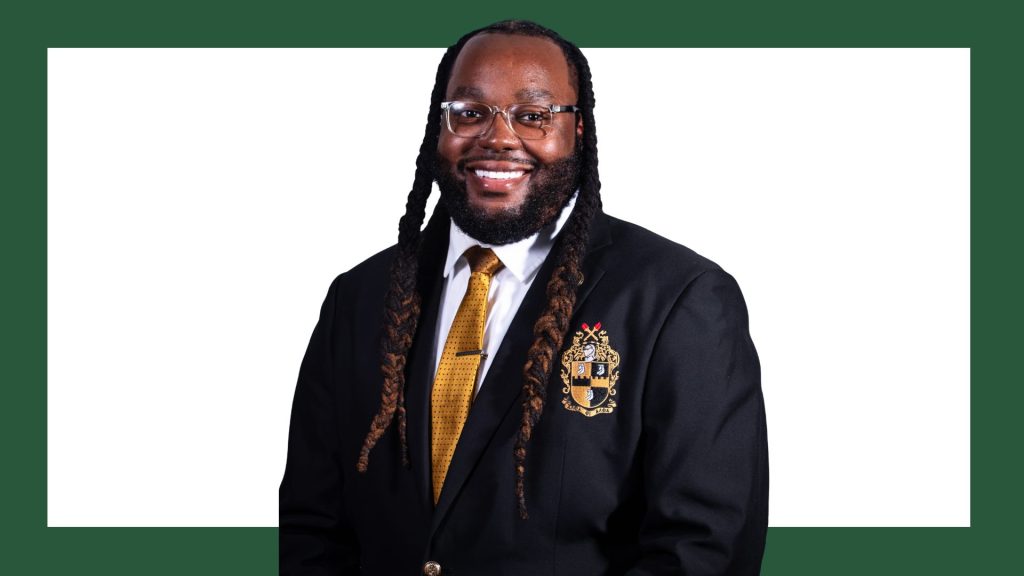
In an effort to highlight the people who are leading colleges and universities across the nation, we at Watch The Yard reached out to Chicago State University and did an interview with Davaun Charles, the 2025–2026 Student Government Association president.
The position of student government president is a highly respected role and there is a special pride that one takes in being elected by their peers to lead. Davaun Charles, who is majoring in Psychology, is from Chicago.

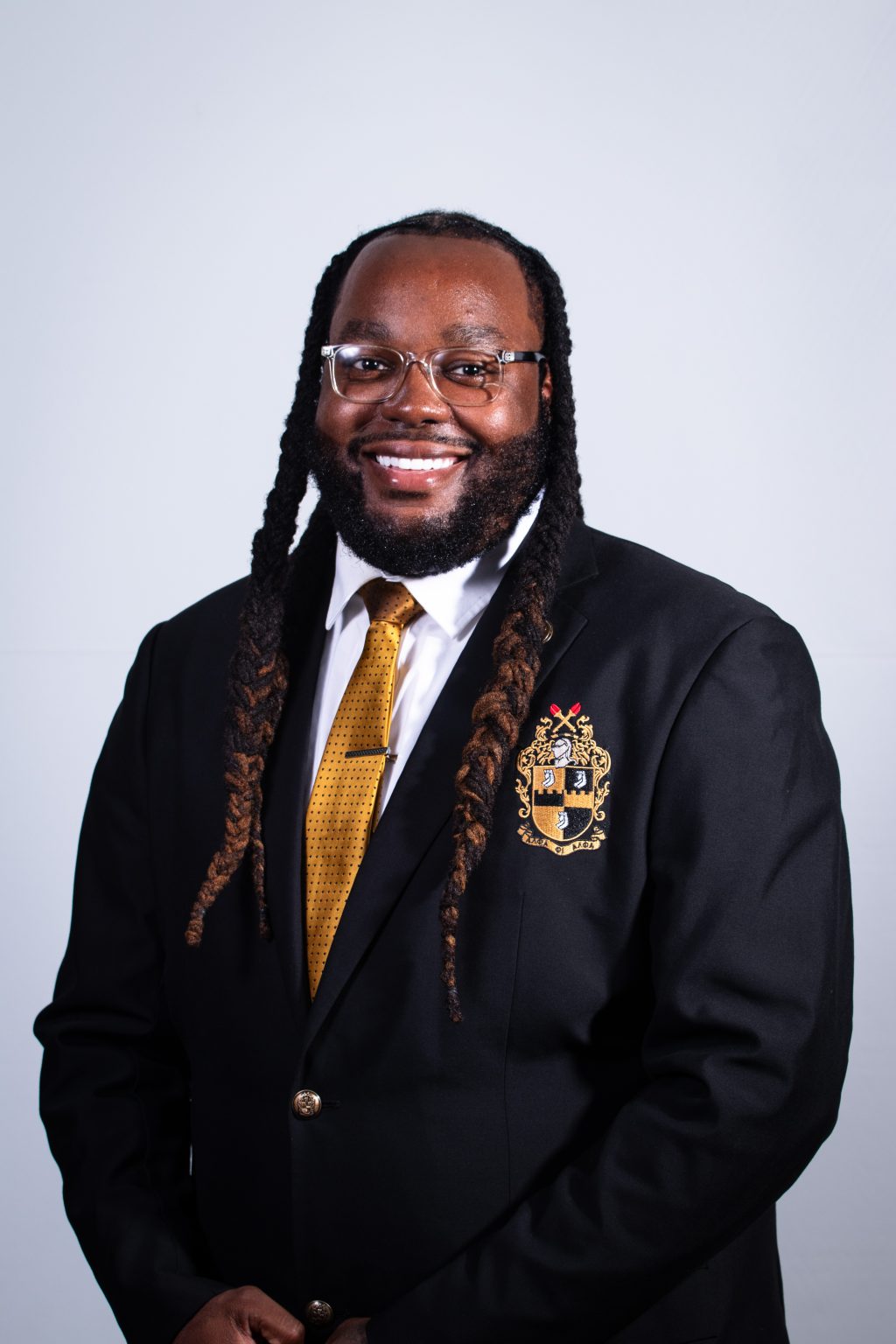
He is a proud Fall 2023 initiate of Alpha Phi Alpha.
We interviewed Davaun Charles and talked to him about his position, goals, future and what it means to hold this type of leadership position in 2025–2026.
Read the full interview below.
What is the biggest thing you’ve learned as a student government president so far?
The biggest thing I’ve learned as SGA President is that leadership is about responsibility, not recognition. It’s easy to show up when things are going well, but real leadership shows in how you listen, how you move during conflict, and how you advocate for people even when it’s uncomfortable. I’ve learned that serving students means carrying their concerns with integrity and making decisions that benefit the collective, not just yourself.
What made you decide to attend Chicago State University for undergrad?
Chicago State University stood out to me because it represents opportunity and resilience. I was drawn to CSU’s mission of access and its commitment to students who may not take the traditional path to college. I knew it was a place where I could grow academically, step into leadership, and give back to a community that believed in me.

How has Chicago State University molded you into the person you are today?
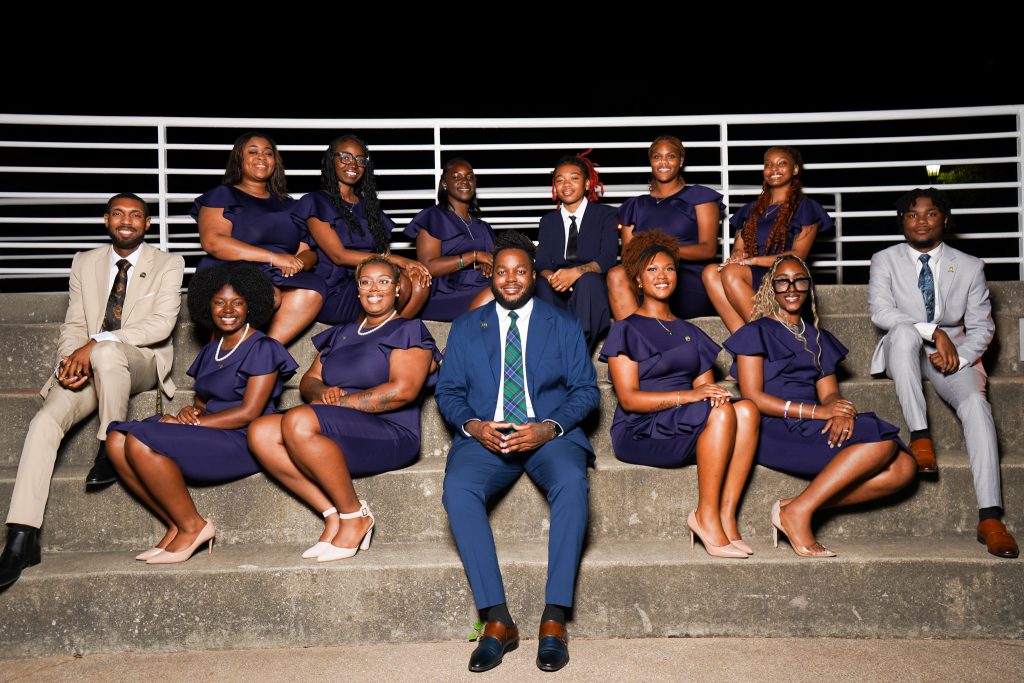
Chicago State University is definitely a slept-on institution. While we may not always have the same resources or visibility as larger universities, what we do have is a strong sense of community—and that makes all the difference. CSU is a place where students speak up for themselves and for each other, and we stand on business when it comes to advocating for our campus and our people. With a student body of around 2,200+ students, we’re a growing university, and there’s a real excitement that comes with that growth. Being at CSU has taught me patience, understanding, and the true meaning of community, and those lessons have shaped the leader I am today.
What specific initiatives have you headed up this year (or are planning) and how do you think they will improve the school and surrounding community?
This year, my focus as SGA President has been on strengthening student engagement, mental health support, and community connection. I’ve worked to create spaces where students feel heard and represented, including intentional town halls and open forums that allow students to speak directly into campus decision-making. Serving on the University Budget Committee also allowed me to advocate for student-centered priorities and transparency in how resources are allocated.
Beyond campus, I’ve emphasized collaboration and service. Through partnerships with student organizations, NPHC, and community groups, we’ve supported initiatives like campus cleanups, food insecurity efforts, and community service programming that connects CSU to the surrounding neighborhood. I’ve also been intentional about supporting campus traditions and events, such as Homecoming and student-led programs, because building pride and unity directly impacts student retention and morale.
Looking ahead, I’m focused on expanding student communication, strengthening mental health programming, and continuing to build partnerships that position CSU as an active and engaged member of the surrounding community. These efforts are about long-term growth—creating a campus culture rooted in advocacy, accountability, and community.

How is your student government administration/school currently working on attending to the mental health of students?
Mental health has been a major priority for my SGA administration and for me personally as SGA President. I always want to make sure supporting the mental health of my fellow students remains at the top of my priorities, because as young people, we are navigating so much at once. The world can be a scary and overwhelming place, and students don’t leave that weight at the door when they come to campus.
We’ve focused on creating spaces where mental health conversations are normalized—through town halls, student forums, and intentional programming—so students feel safe being honest about what they’re experiencing. We also work closely with campus partners to amplify existing mental health resources and ensure students know where to find support.
Beyond programs, I believe community itself is a form of mental health support. I want Chicago State University to be a place where everyone strives to be that one person who makes someone feel seen, heard, and supported. When we lead with empathy and care for one another, we create a campus culture where no one feels alone—and where we are all supported.
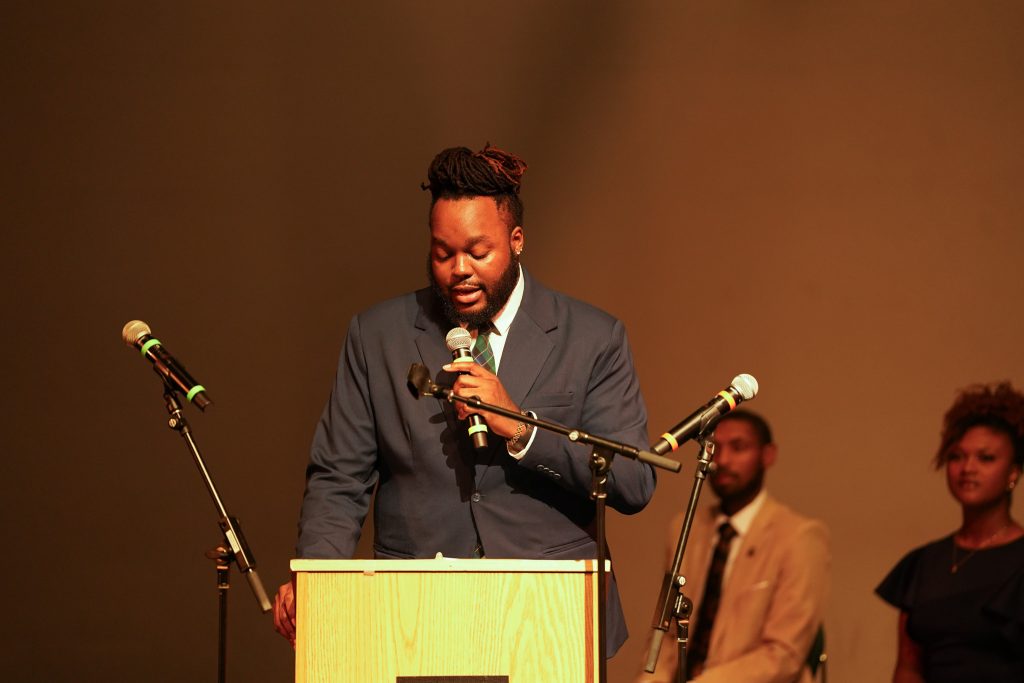
What does leadership mean to you?
Leadership, to me, is service and responsibility. It’s about showing up consistently, listening before speaking, and making decisions that center the well-being of others—not personal recognition. Leadership means being willing to carry the weight of your community, especially during difficult moments, and leading with empathy, integrity, and accountability. True leadership isn’t about titles; it’s about impact.
We now live in a digital world, what do you think schools need to do to represent themselves online in 2025–2026?
In 2026, schools need to show up online with authenticity, consistency, and intention. Representation can’t just be about marketing—it has to reflect the real student experience. That means highlighting student voices, celebrating campus culture, and being transparent about both growth and challenges.
Schools also need to meet students where they already are by using digital platforms to communicate clearly, promote resources, and build community—not just push announcements. When institutions use social media to tell honest stories, uplift their students, and engage in real conversations, they build trust. In a digital world, the strongest representation comes from showing who you truly are and who you are striving to become.
Why do you think Watch The Yard is important to Black students and college culture?
Watch The Yard is important because it amplifies Black excellence and tells our stories in our own voice. It gives visibility to Black students, organizations, and institutions that don’t always receive mainstream recognition, while preserving the culture, pride, and legacy of Black Greek life and Black college communities. For many students, Watch The Yard is a space where we feel seen, celebrated, and connected to something bigger than ourselves.

What do you plan on doing after graduation?
After graduating in May 2026, I plan to continue my education by pursuing a Master of Social Work (MSW) beginning in August 2026. While I was initially interested in school counseling, I chose the MSW route because it allows me to support students and communities in a broader, more holistic way—addressing mental health, advocacy, and systemic challenges both inside and outside of school settings.
Long-term, my goal is to earn a doctorate in education and become a school administrator and educational leader. I am passionate about creating supportive, student-centered environments and being the kind of leader who understands students beyond the classroom. Everything I’ve done—from student government to community service—has prepared me for that work, and I’m excited to continue building toward a future rooted in service, equity, and impact.
We at Watch The Yard would like to commend Davaun Charles for his work as the student government president of Chicago State University.
Photo Credits: @Kaistaysofficial, @Shot_by_yu, @Shotby._ea